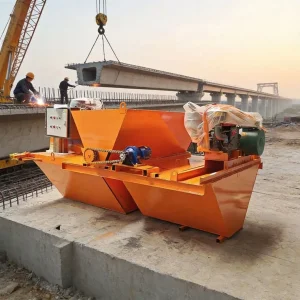
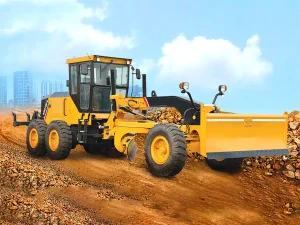
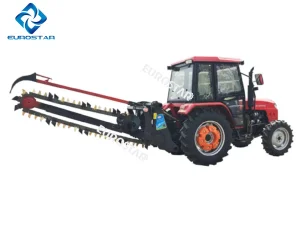
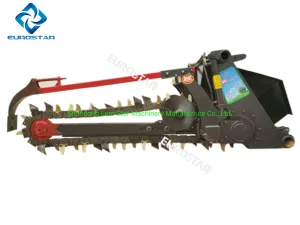
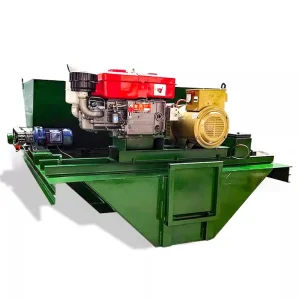
High-capacity automated slipform concrete drainage machines and precise excavator attachments configured specifically for heavy sub-Saharan soils and municipal road engineering.
As the primary transit gateway of West Africa, Togo relies extensively on its arterial transport corridors. Key networks such as the Route Nationale 1 (RN1)—connecting the Port of Lomé northward through Atakpamé, Sokodé, Kara, and Dapaong directly to Burkina Faso, Mali, and Niger—and the Trans-West African Coastal Highway (Lomé-Cotonou-Lagos corridor) dictate regional economic growth. With the government’s Togo National Development Plan (Plan National de Développement - PND) prioritizing infrastructure modernization, heavy civil contractors require reliable industrial technology to construct long-life, high-capacity drainage systems.
Togo suffers from highly localized sub-Saharan climatic events, with high precipitation rates during double rainy seasons in the maritime and plateau regions, and intense single monsoons in the northern Savannah plains. Insufficient runoff management leads directly to localized sub-grade erosion, asphalt delamination, and critical structural failure of major transport paths. Traditional cast-in-place concrete lining processes are intensely labor-dependent, prone to structural inconsistencies, and too slow to meet tight developmental schedules. Mechanized slipforming and automatic ditch forming present the only path to achieving uniform concrete compaction, exact geometric slopes, and rapid project delivery timelines.
Road engineering in Togo is highly dependent on managing local laterite soils, which expand and contract severely with water saturation. If concrete ditch walls are not slipformed with consistent hydraulic density and high mechanical pressure, the soil shifts cause immediate structural cracking. Our systems are engineered to withstand these shifting conditions through specialized compaction vibrations and custom-profile extrusion templates.
Contractors operating across Lome, Kpalimé, and Tsévié face escalating materials costs and strict completion penalty clauses. Choosing the correct engineering machinery determines the direct profitability of the road contract. Below is a comprehensive engineering comparison detailing why mechanized forming is the global technical benchmark for modern highway engineering.
| Parameter Profile | Manual Cast-in-Place Concrete | Precast Concrete Sections | MRECH Ditch Slipform Machine |
|---|---|---|---|
| Daily Layout Capacity | 15 - 30 Linear Meters / Day | 50 - 100 Linear Meters / Day | 300 - 600 Linear Meters / Day |
| Concrete Mix Requirements | High water-cement ratio (fluid mix) | Variable, cast offsite | Low-slump dry concrete (highly durable) |
| Structural Integrity | Prone to voids, high porosity, variable thickness | Susceptible to movement at join segments | Monolithic pour, zero joins, continuous strength |
| Excavation to Pour Lead Time | Requires formwork prep (high delay risk) | Requires heavy crane placement and transport | Immediate wet-concrete extrusion on prepared base |
| Labor Demand | Very high (15 - 25 laborers required) | Medium (requires specialized operators) | Very low (3 - 5 operators total) |
International finance institutions, including the African Development Bank (AfDB) and the West African Development Bank (BOAD), mandate rigorous engineering specifications for Togo’s regional roads. Contractors must adhere strictly to concrete durability levels, crack-resistance parameters, and exact cross-sectional flows. Ensuring compliance requires drainage equipment that can process strict raw material mixes while maintaining exact geometric positioning via automated grade tracking systems.
1. Compaction Density: High mechanical vibration arrays integrated into automatic canal lining machines allow the processing of dry concrete slump classes (10-30mm), minimizing concrete curing shrinkage and micro-cracking.
2. Slope Gradient Precision: Automatic level sensors track tensioned guidelines, ensuring drainage slope gradients stay within 1mm deviations per 100 meters, avoiding pooling and water stagnation.
3. Aggressive Subsoil Resistance: The use of monolithic concrete avoids the erosion of base soils under joints, which is the primary cause of roadside embankment washouts in high-moisture zones.
Weifang MRECH Machinery Co., Ltd. is strategically located in Weifang City, Shandong Province, China, a well-known manufacturing hub with a strong industrial foundation. We specialize in the research, development, production, and international export of road construction machinery and concrete forming equipment.
With years of industry experience, MRECH has become a trusted supplier of high-quality ditch forming machines, ditch lining machines, slipform pavers, curb and gutter machines, crash barrier machines, and other customized road construction solutions. Our equipment is widely used in highway construction, municipal engineering projects, farmland irrigation systems, drainage channels, water conservancy projects, and infrastructure development worldwide.
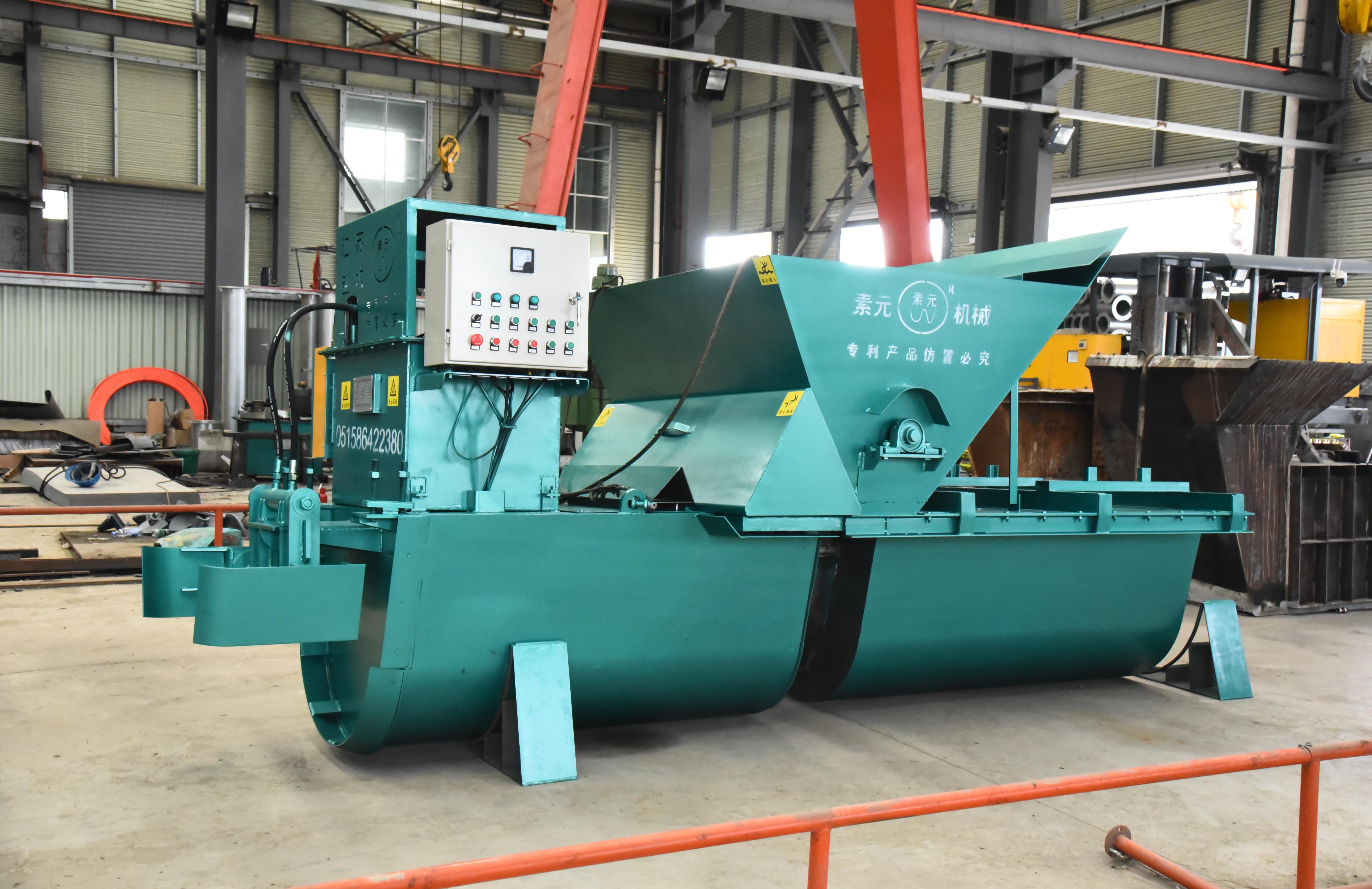
Our ditch forming and lining machines are designed to efficiently construct drainage ditches of various shapes and sizes, providing durable and precise solutions for roadside drainage systems, agricultural irrigation channels, and water management projects. Our advanced slipform paving machines are capable of constructing above-ground concrete structures such as curbs, gutters, roadside barriers, retaining walls, and drainage channels. The multifunctional design of our equipment enables customers to complete multiple construction tasks with a single machine, significantly improving efficiency and reducing project costs.
With extensive experience in road drainage and infrastructure construction projects, we understand the diverse challenges faced by contractors worldwide. Our engineering team can recommend the most suitable equipment and construction solutions according to different project conditions, soil environments, channel designs, and customer budgets. Quality is our commitment. Every machine undergoes strict inspection and testing before delivery to ensure stable operation and reliable performance on construction sites.
MRECH provides dedicated technical assistance and supply chain logistics targeting the Port of Lomé. Our support program includes:
Our manufacturing plant leverages advanced heavy-engineering equipment, assuring tolerances meet strict international quality guidelines. The integrated design, cutting, welding, and final machining processes are kept fully in-house.
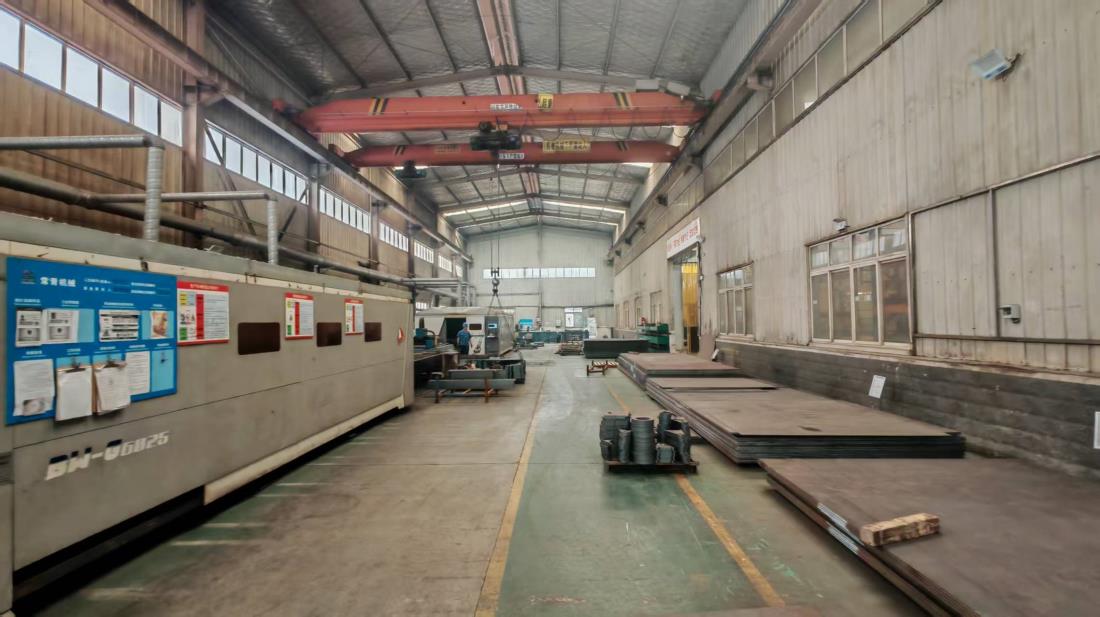
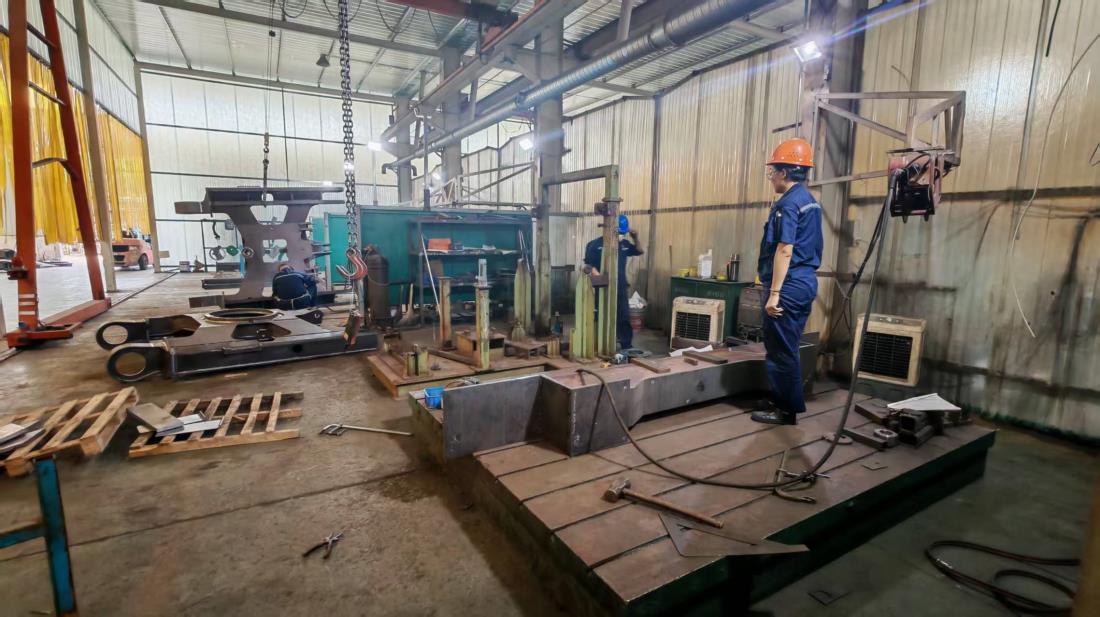
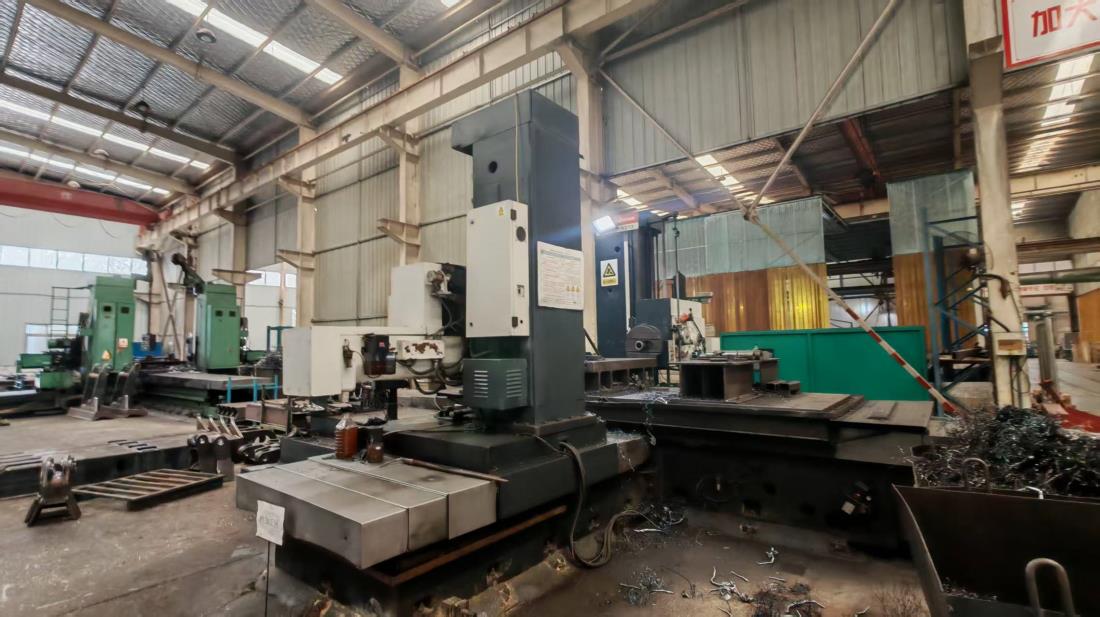
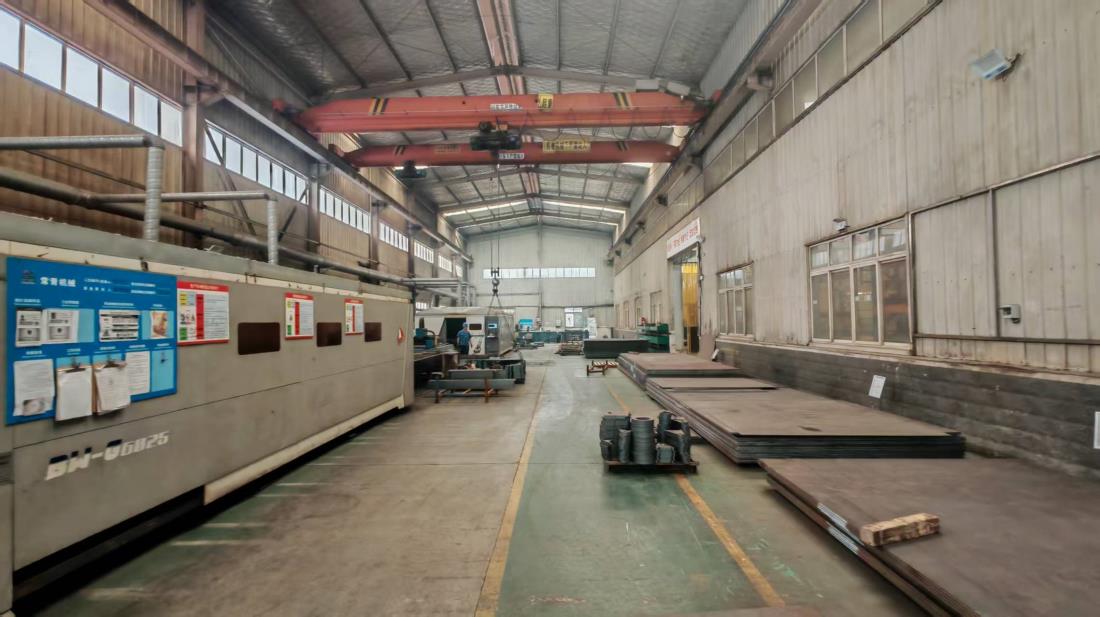
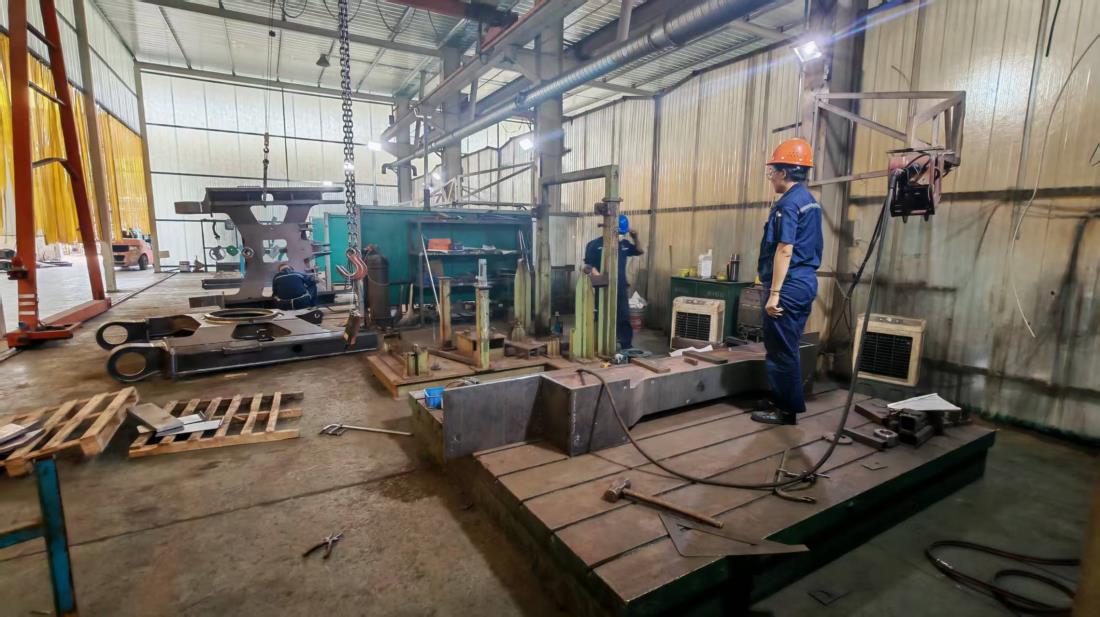
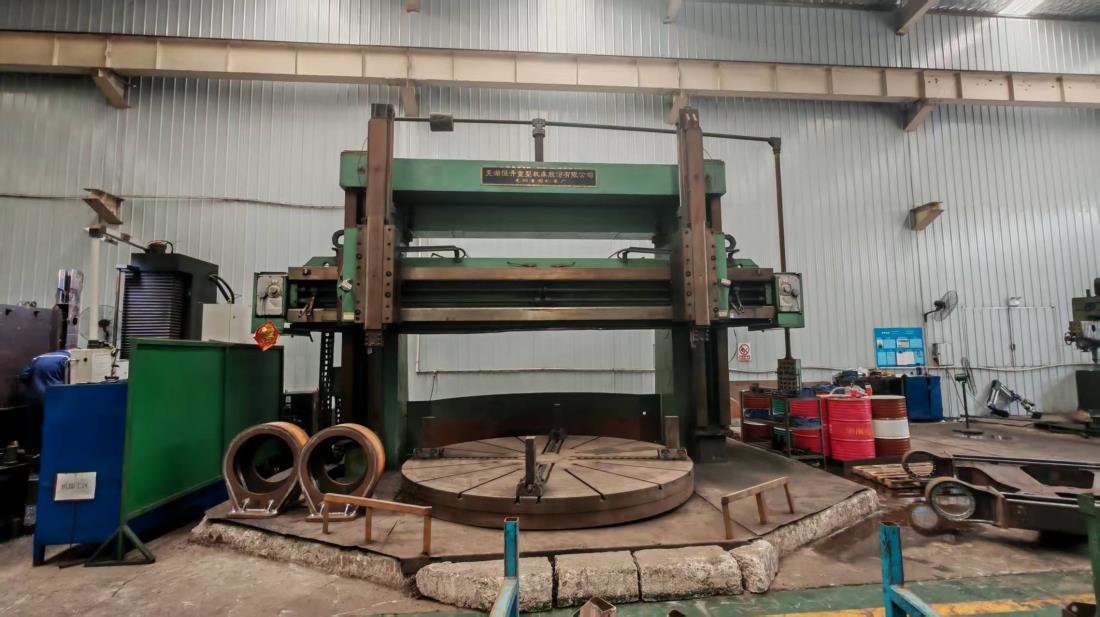
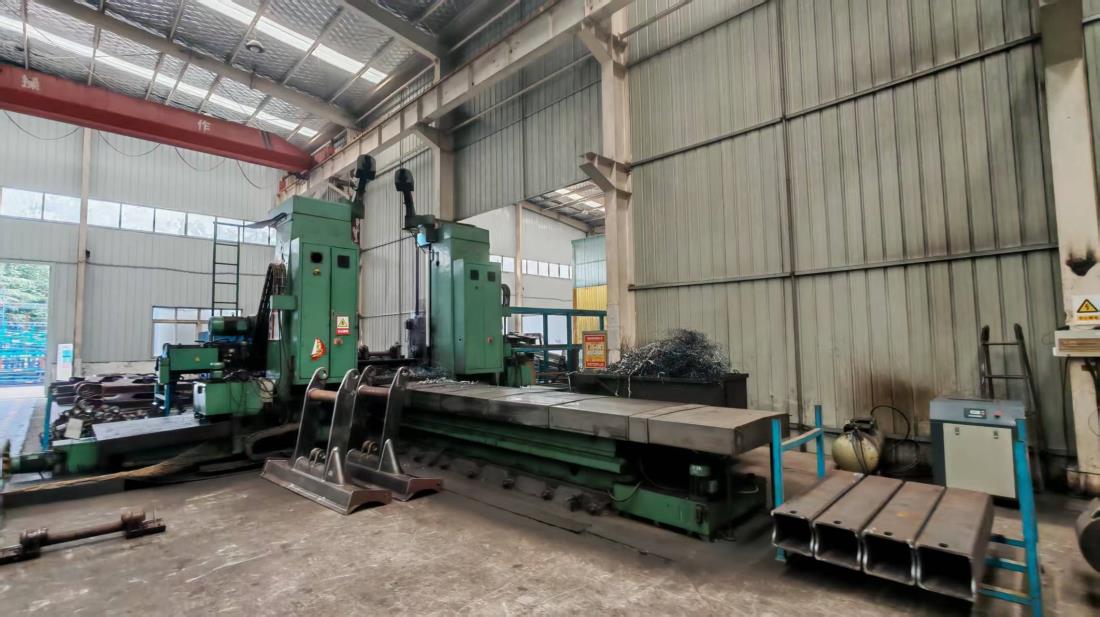
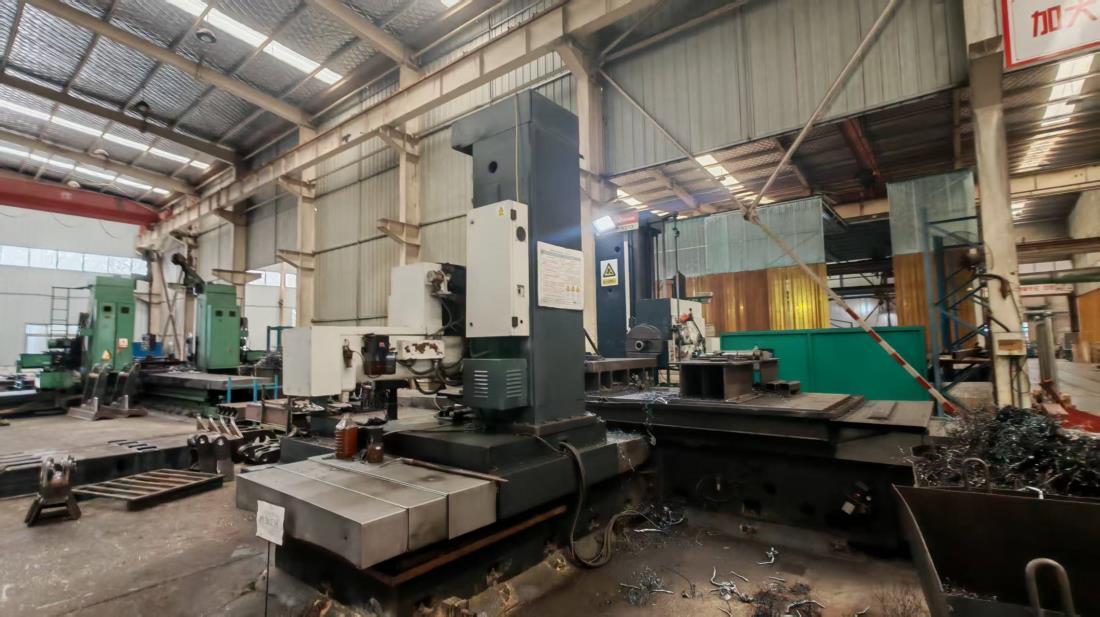
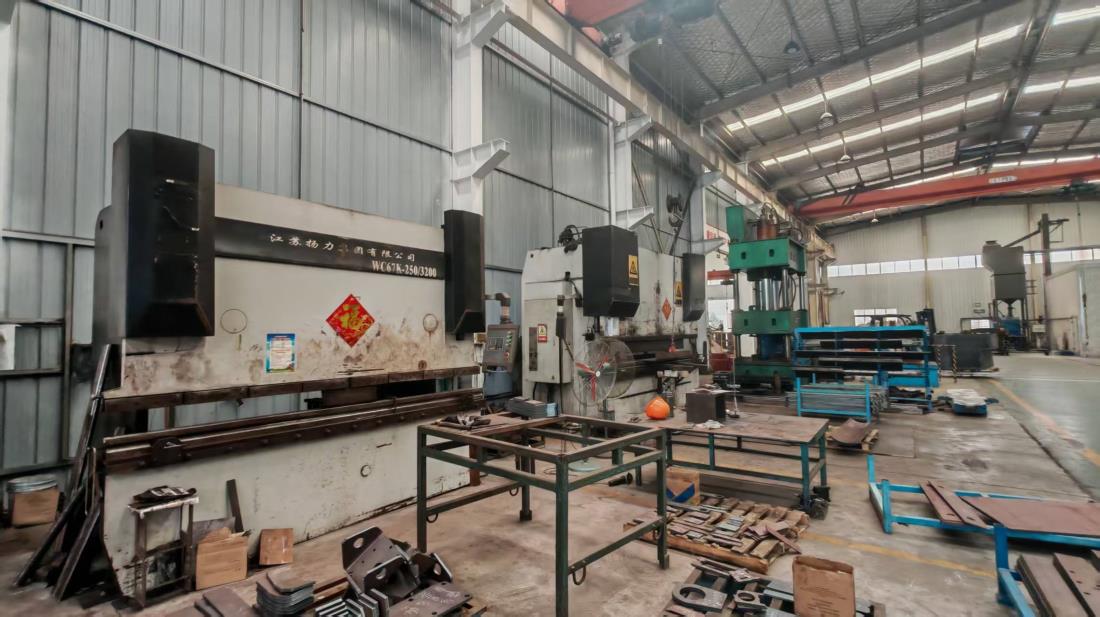
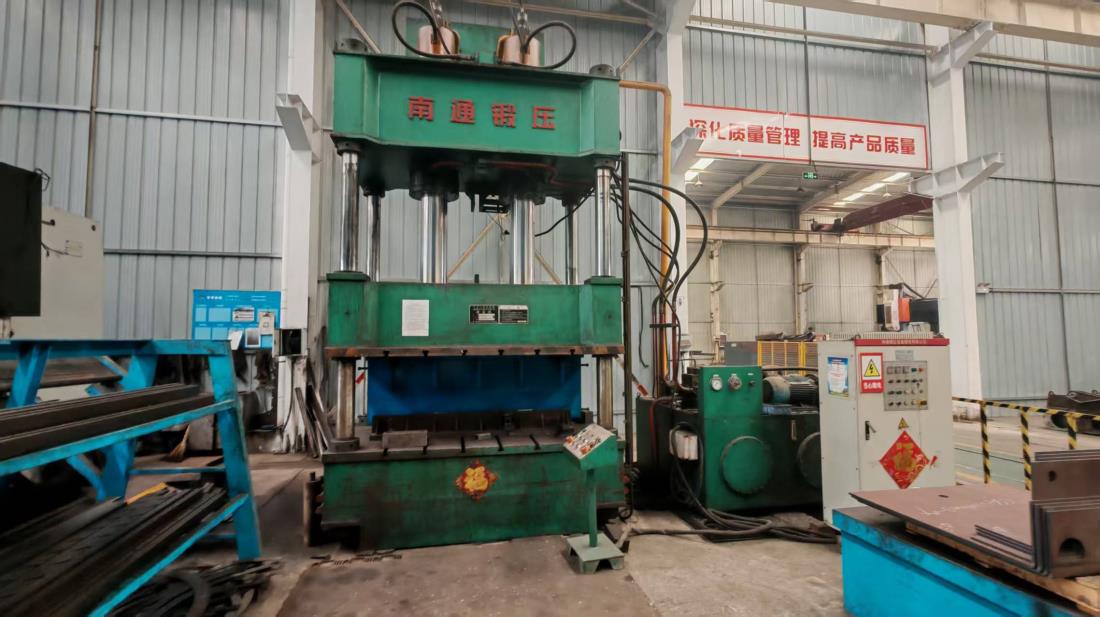
Answering critical questions on equipment delivery, engineering customization, and site operation within the West African context.
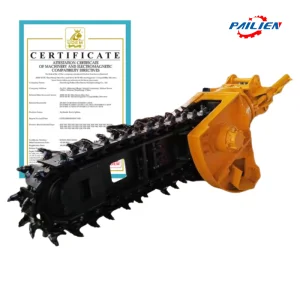
Select from our full line of specialized drainage trenchers, canal slipform equipment, and plastic pipe machinery customized for infrastructure pipelines throughout West Africa.
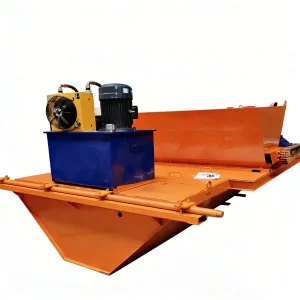
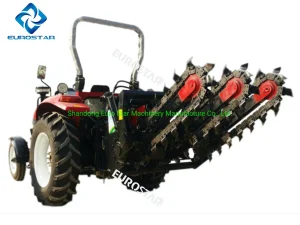
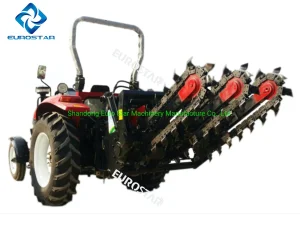
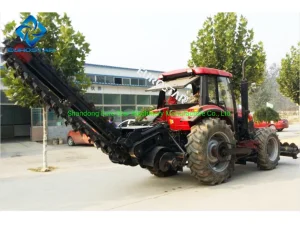
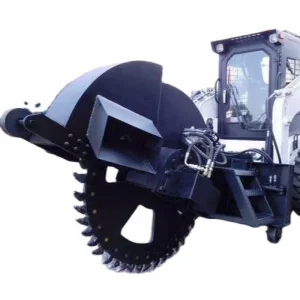
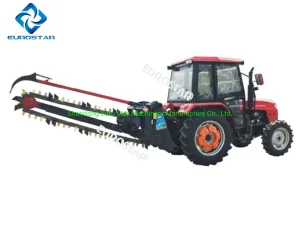
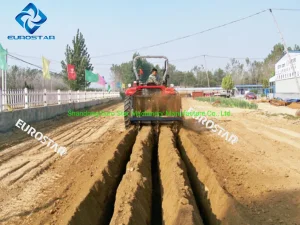
Get in touch with our heavy construction machinery specialists today. We provide full customization profiles, engineering layout support, and detailed FOB/CIF Lomé shipping quotes.
Request Quote & Custom Drawing MRECH Machinery