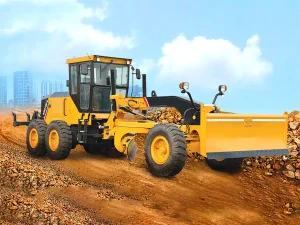
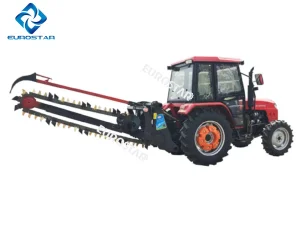
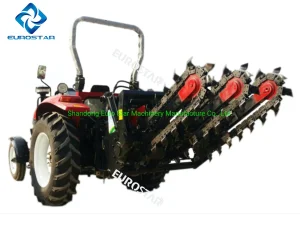
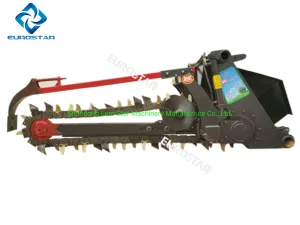
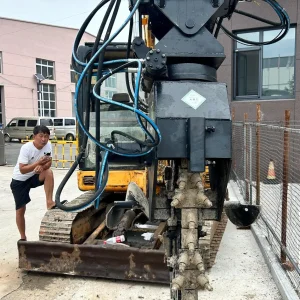
High-capacity automated slipform concrete forming and ditch excavation equipment adapted for rapid civil execution in Equatorial Guinea.
Equatorial Guinea, comprising the mainland Rio Muni region and the volcanic Bioko Island, experiences one of the most demanding tropical climates on the planet. With annual precipitation averages exceeding 2,000 mm in coastal areas and soaring to historical levels in southern Bioko, the longevity of asphalt and concrete road corridors is intimately linked to the efficiency of adjacent drainage channels. Water accumulation on road surfaces or subgrade erosion is the leading cause of structural pavement failures across the CEMAC region.
The state's aggressive development goals demand rapid, highly resilient transport networks connecting major hubs like Malabo, Bata, and Oyala (Ciudad de la Paz). Conventional hand-poured concrete gutters are unable to withstand the hydrostatic loads or match the speed required for large-scale national road updates. In this climate, automated slipform concrete drainage ditch technology acts as a critical line of defense, transforming open-air earth canals into highly durable, hydraulically efficient concrete conduits.
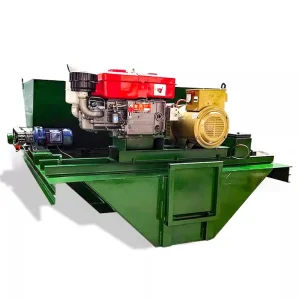
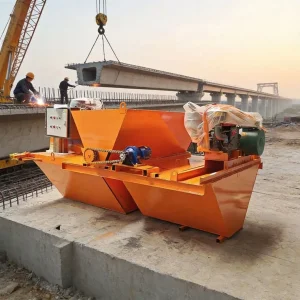
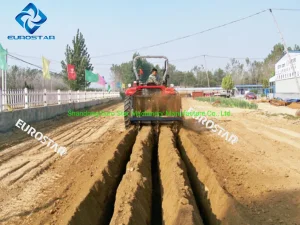
Our heavy-duty slipform ditch machinery provides direct solutions to these regional geological issues. We export advanced manufacturing tech to engineering consortia operating within Equatorial Guinea, ensuring contractors can pave uniform trapezoidal, U-shaped, or V-shaped drainage channels directly at the job site. This bypasses the logistical bottlenecks of importing heavy precast sections over challenging terrains.
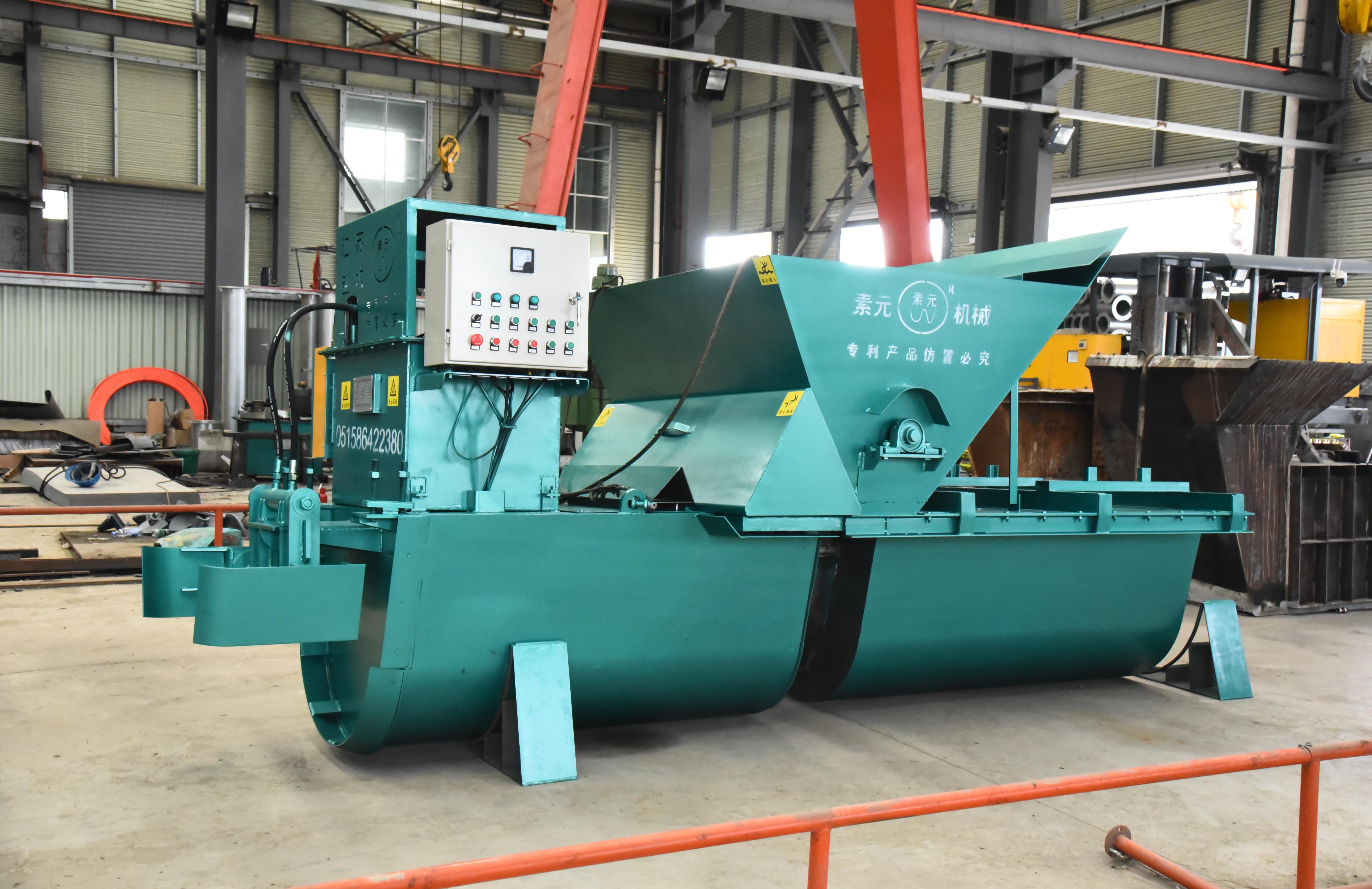
Comparing manual earthworks with advanced automated slipforming for municipal and highway construction projects.
Traditional precast blocks suffer from weak joint connections that fail under heavy rain. Slipformed concrete creates a single, jointless monolithic channel, eliminating water leakage and root intrusion.
By pairing hydraulic track drives with optimized vibratory systems, our slipform equipment can lay up to 500-800 linear meters of finished drainage ditch per day, cutting project timelines by up to 70%.
Whether dealing with coastal sands in Bata or volcanic clay in Malabo, our machines distribute machine weight evenly, allowing precise grading and uniform concrete thickness on varying soils.
Optimized systems for dual agricultural water management and peripheral roadway runoff channels in Equatorial Guinea's remote agricultural regions.
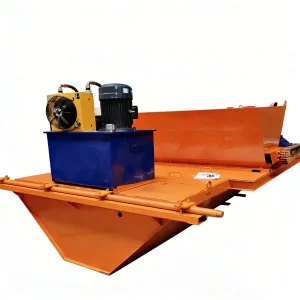
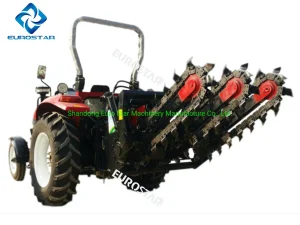
Engineered Road Construction Machinery & Slipforming Equipment
Strategically situated in Weifang City, Shandong Province, China—a premier manufacturing and metallurgical center—Weifang MRECH Machinery Co., Ltd. is a leading developer and exporter of advanced concrete forming machinery and excavation systems.
Leveraging decades of mechanical research, we supply high-performance concrete slipform ditch pavers, curb and gutter machines, highway safety barrier formers, and customized civil drainage machinery to public and private infrastructure projects across Africa, Latin America, and Southeast Asia. In the CEMAC region, and specifically in Equatorial Guinea, we work directly with municipal planning authorities and international contractors to supply certified, robust, and tropical-rated machinery.
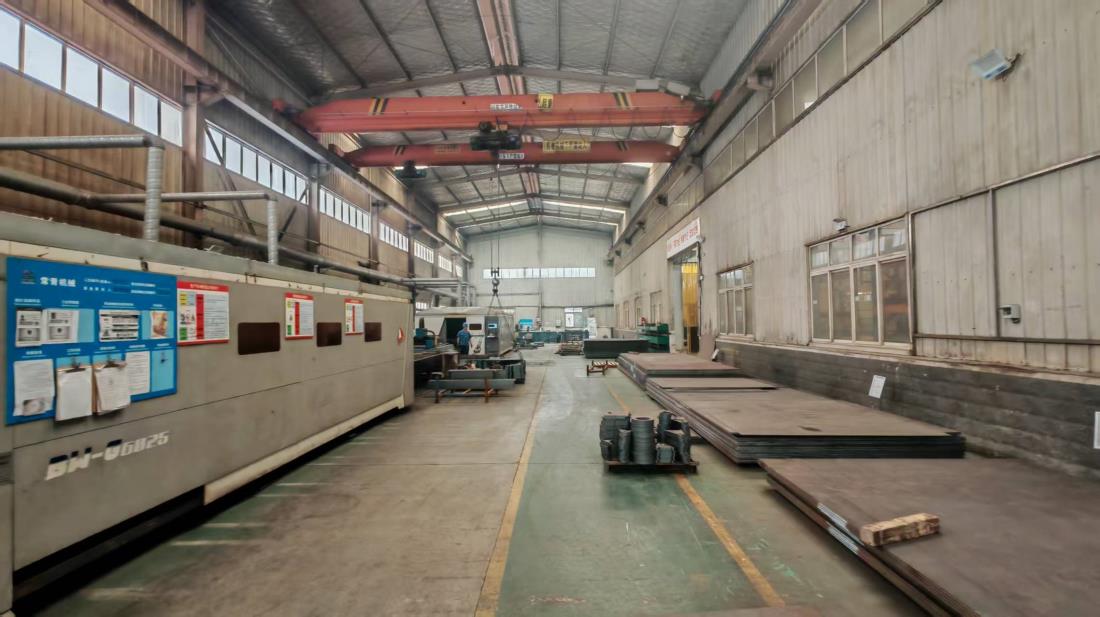
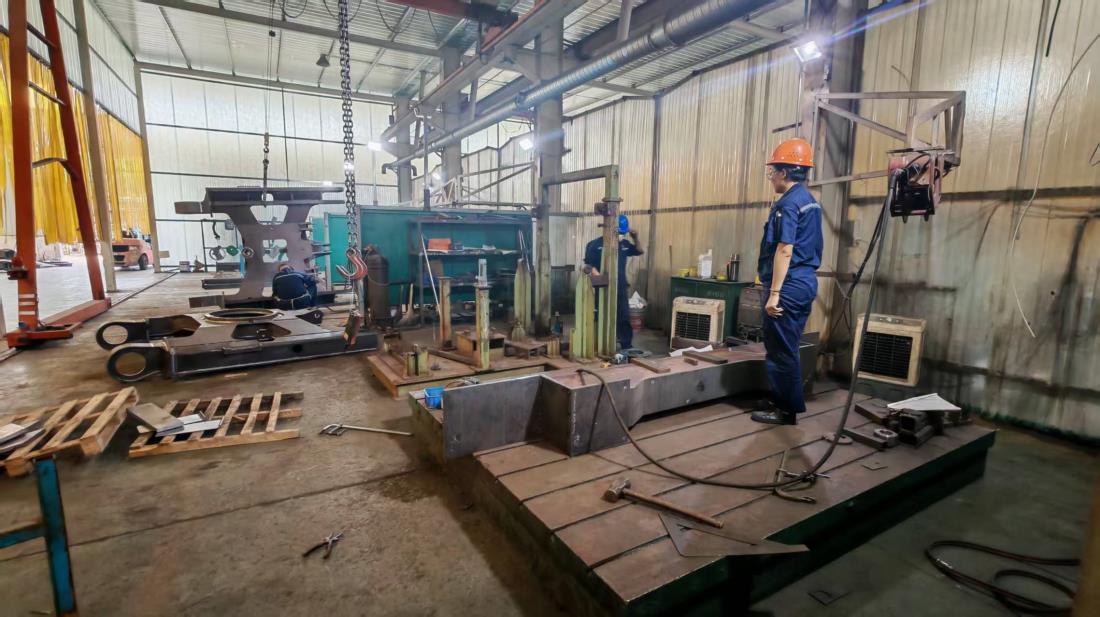
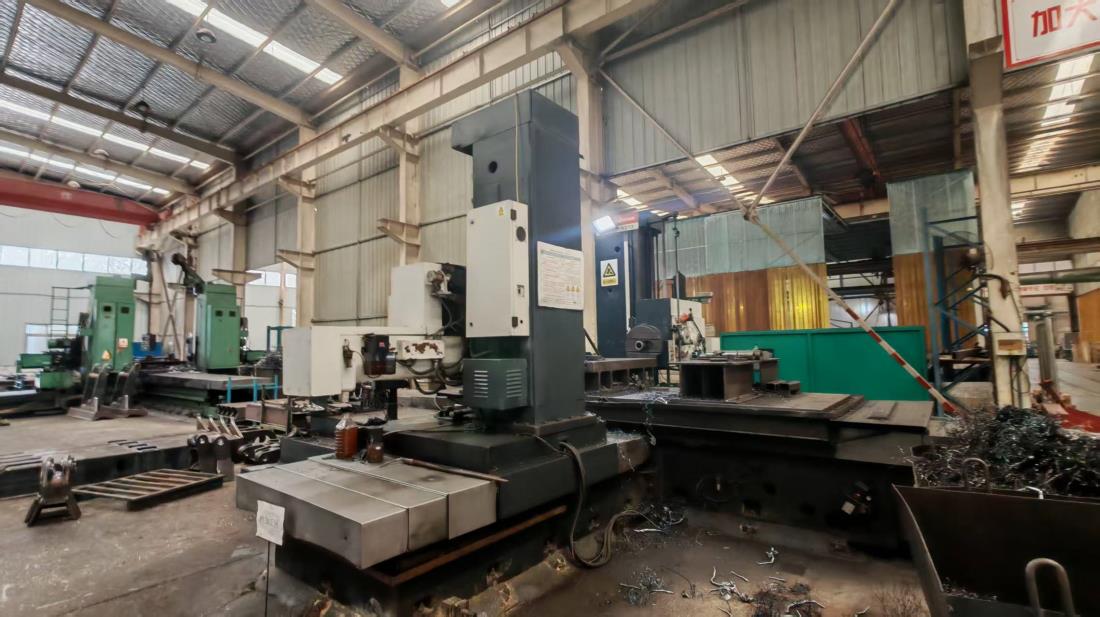
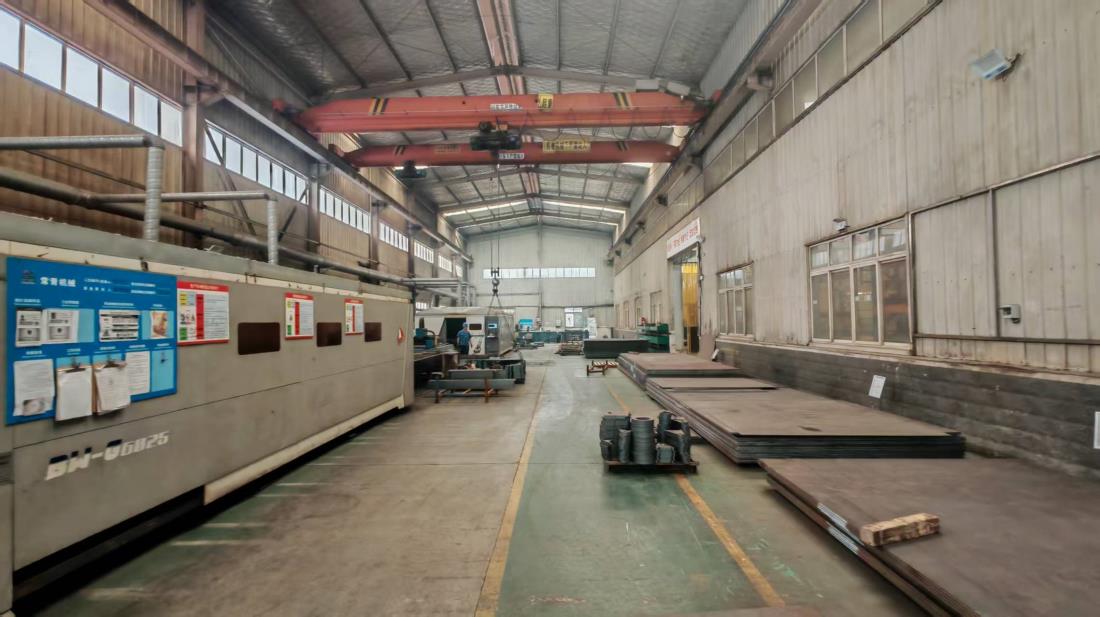
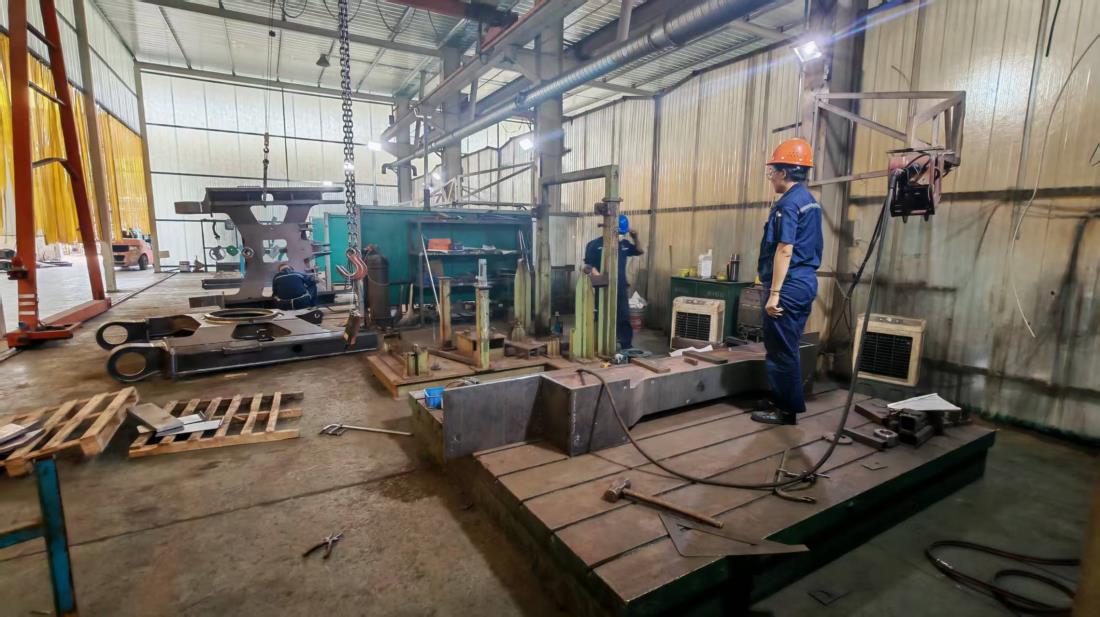
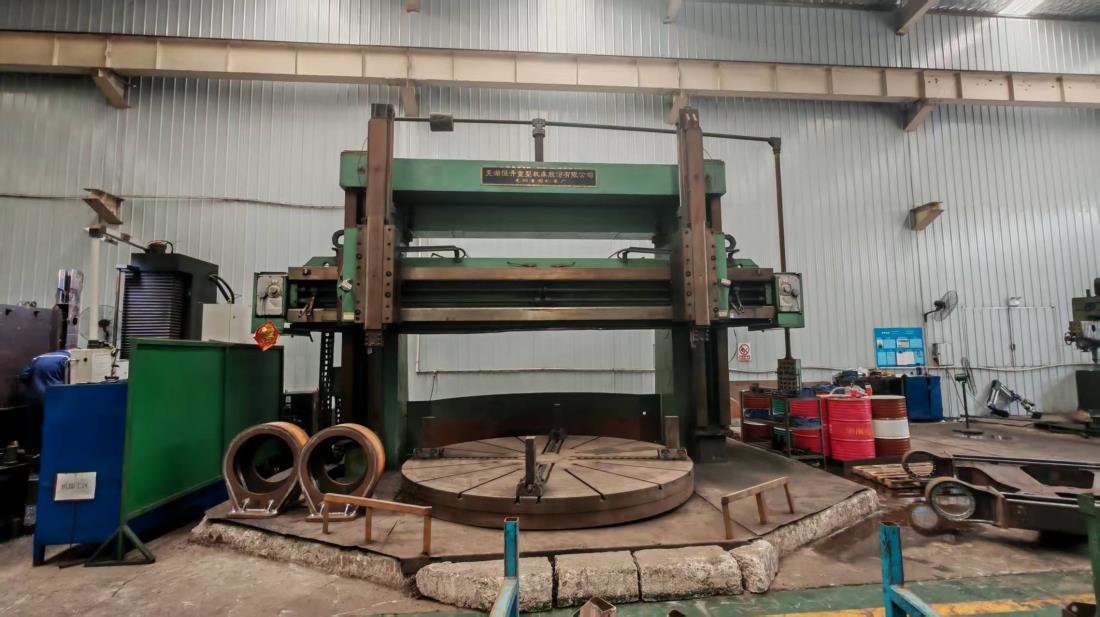
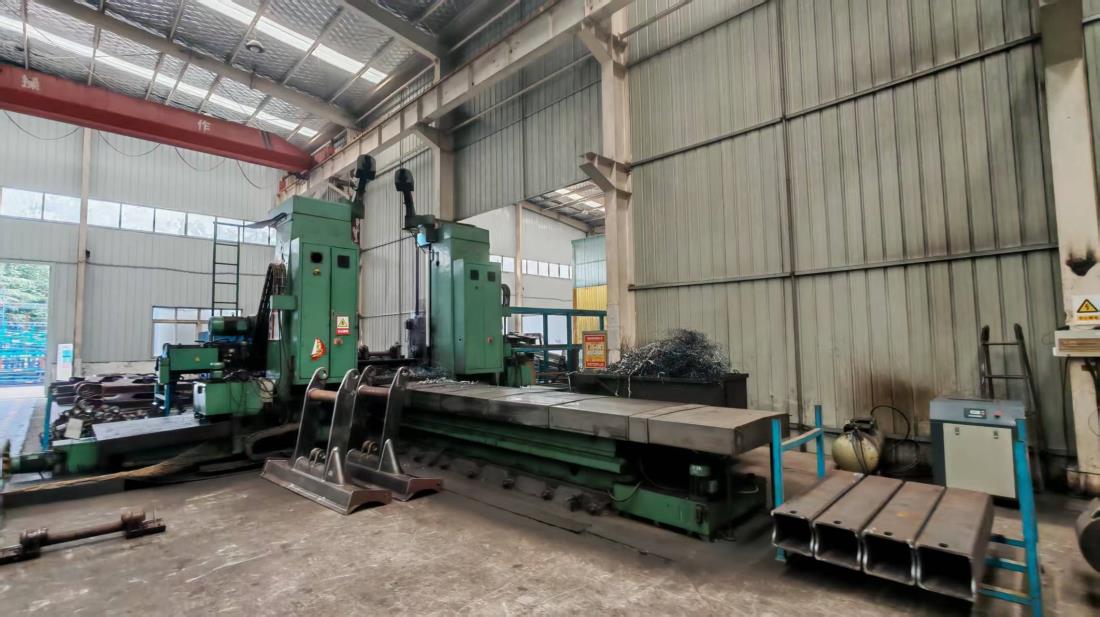
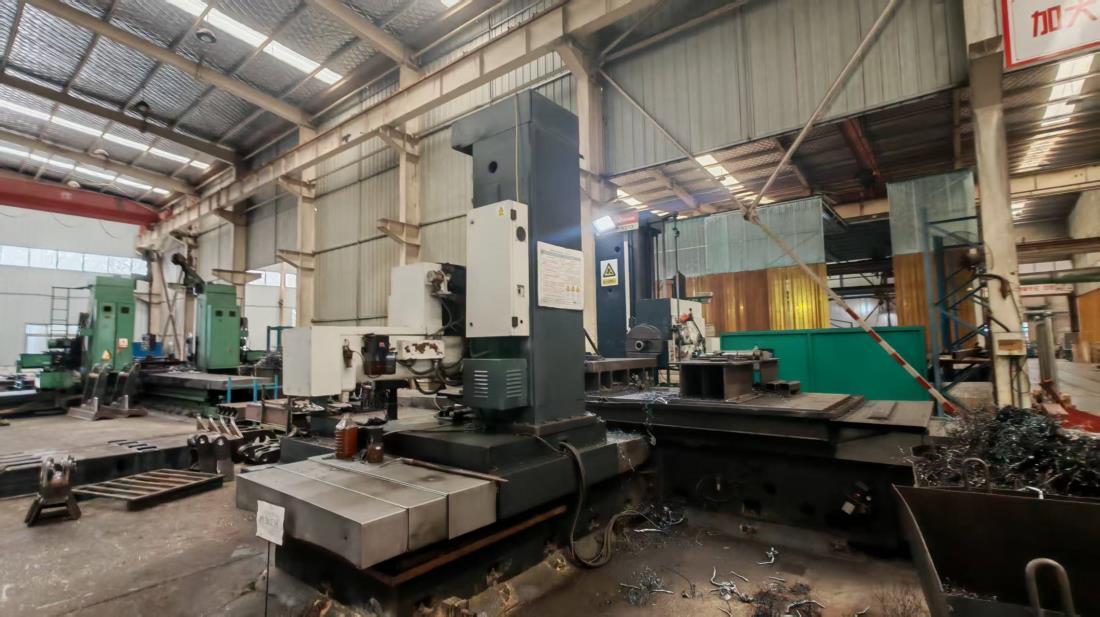
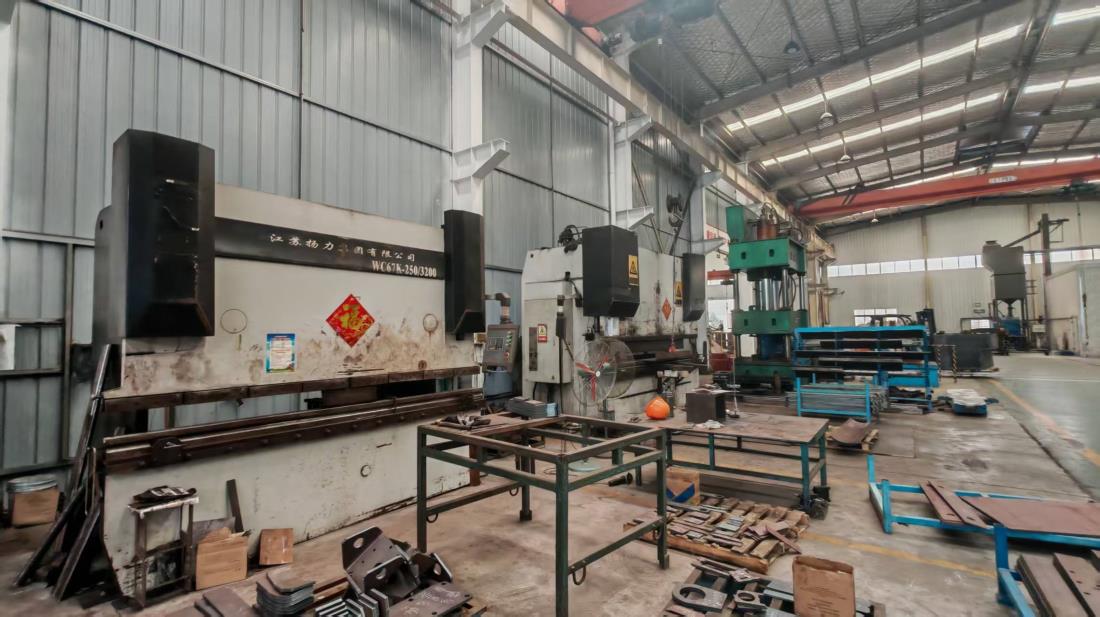
Behind every MRECH machine is a state-of-the-art production process integrating precision machinery and heavy fabrication assets.
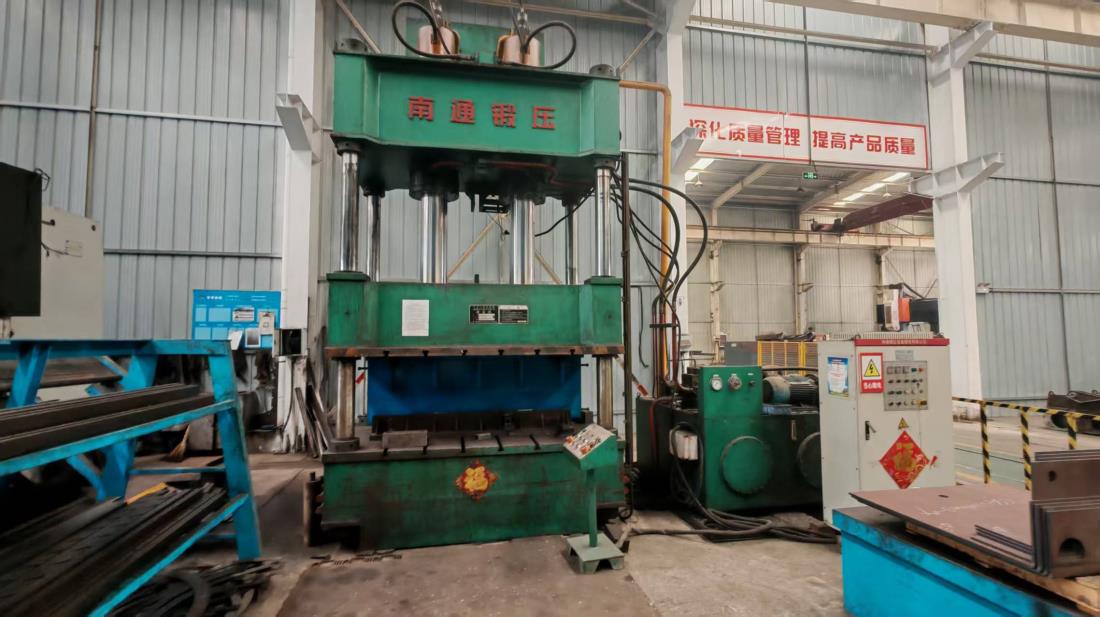
At MRECH, quality assurance is an engineered reality, not a slogan. Every ditch-forming machine and tractor attachment is constructed from high-tensile structural steel that undergoes precision laser cutting, CNC machining, automated robotic welding, and high-precision boring. This guarantees structural stability, even when operating in humid coastal regions like Bata, Equatorial Guinea.
Importing capital goods and heavy machinery into Equatorial Guinea (Ports of Bata and Malabo) requires thorough documentation, compliance with Central African Economic and Monetary Community (CEMAC) import tariffs, and compliance with UNE/EN European technical standards. Our expert logistics team works closely with local customs clearance agents to ensure smooth import operations.
MRECH provides customized international support to ensure seamless equipment startup:
We provide full after-sales support to keep your operations running smoothly. For large-scale projects in mainland Rio Muni or Bioko Province, we can send field service engineers to help with setup, commission machinery, and train local crews on concrete mixing and machine speed optimization.
Our service programs include:
Integrating smart technologies to automate grading, monitor material efficiency, and support low-carbon construction practices.
Traditional stringline grade guides can slow down setup and introduce human error. The next generation of MRECH concrete slipform machines features integrated 3D GPS and ultrasonic grade sensors. This allows the machine to follow digital site designs automatically, adjusting heights and levels in real-time to keep slopes precise even on rough subgrades.
Reducing carbon emissions is a growing priority for major infrastructure projects. Our compaction and vibration systems are engineered to handle eco-friendly, low-carbon concrete mixes that incorporate fly ash, slag, and volcanic aggregates. This helps contractors meet local green building certifications without sacrificing concrete density or early-stage strength.
Answers to common engineering, procurement, and shipping questions for projects in Equatorial Guinea.
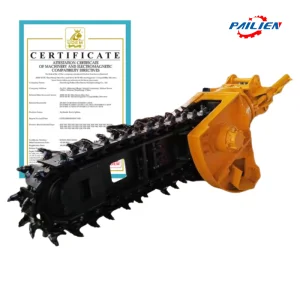
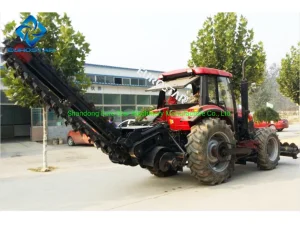
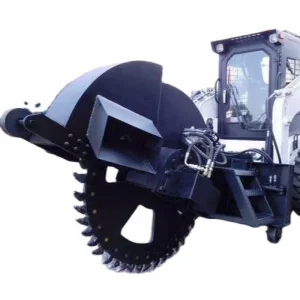
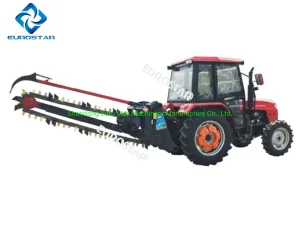
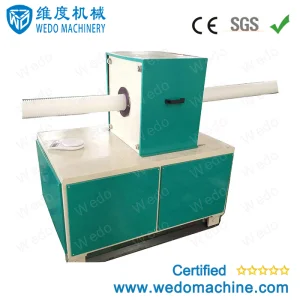
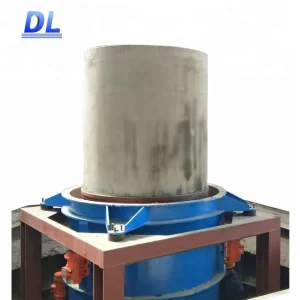
Heavy-duty attachments and processing lines designed for civil drainage, stormwater networks, and utility installations across Equatorial Guinea.
Get customized engineering assistance, localized shipping coordinates, and project pricing. Our engineering team is ready to design molds to match your exact construction requirements.
 MRECH Machinery