Explore our leading machinery lineup designed to optimize speed, accuracy, and operational efficiency for global construction sites.
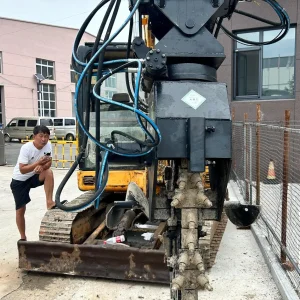
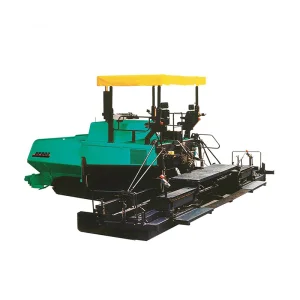
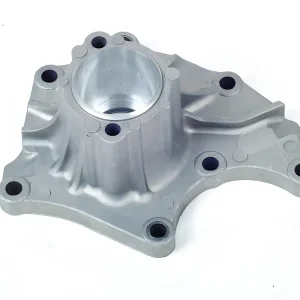
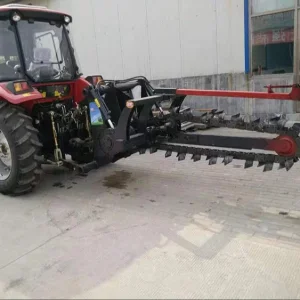
Modern global infrastructure dictates rapid, flawless execution. Traditional cast-in-situ concrete installations that rely heavily on manual wooden formwork or fixed side molds are quickly becoming obsolete due to skyrocketing labor costs, sluggish output rates, and structural inconsistencies. Today's commercial mandate is driven by Automatic Concrete Forming Pavers—a self-propelled class of machinery that continuously processes concrete mix from a hopper and extrudes it directly onto a prepared subgrade.
By leveraging hydraulic compaction, automated high-frequency vibrators, and custom-designed extrusion profiles, these machines form highly dense, structural-grade concrete objects including curbs, highway safety barriers, complex irrigation channels, and multi-lane expressways in a single, high-speed pass. The core engineering achievement of automatic concrete forming pavers lies in their ability to balance concrete rheology (slump, aggregate distribution, hydration kinetics) with continuous structural extrusion, eliminating the time lag associated with traditional mold setting and striking.
From an operational standpoint, switching to mechanized slipform technology cuts labor requirements by up to 80% while expanding daily linear productivity by 300% to 500%. This massive technological leap translates into rapid project completion times, minimal highway disruption, and maximum asset service life.
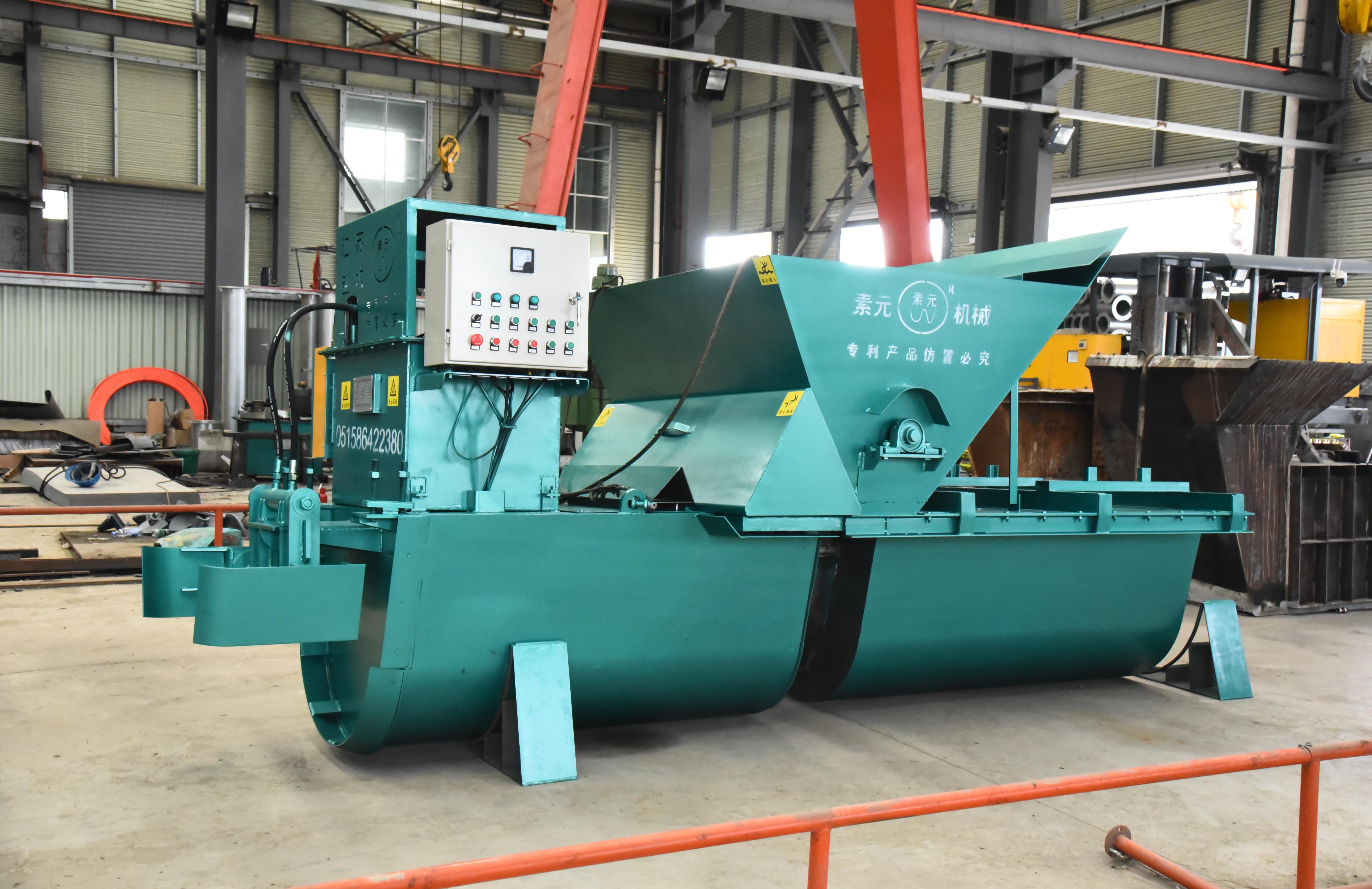
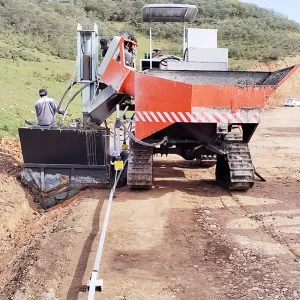
Fig 1: Specialized MRECH Ditch Lining and Concrete Extrusion Machine during High-Yield Run.
Forging high-integrity engineering standards from China's primary manufacturing cluster.
Strategically situated within Weifang City, Shandong Province—an internationally recognized manufacturing super-hub with decades of deep industrial heritage—Weifang MRECH Machinery Co., Ltd. stands as a premier developer, designer, and exporter of world-class road construction and slipform paving machinery. With years of experience addressing challenging geotechnical structures, Weifang MRECH has solidified its footprint as a trusted globally-oriented supplier.
Our focus centers on high-precision engineering. Our product portfolio spans automatic ditch forming and lining machinery, multi-functional highway slipform pavers, heavy-duty curb and gutter machines, highway crash barrier formers, and fully integrated custom-profile concrete extruders. Each of these machinery designs represents a synthesis of structural mechanical engineering and high-efficiency hydraulic architecture, allowing contractors globally to execute high-tolerance civic and commercial concrete construction projects with complete absolute confidence.
From single-profile curbs to complex multi-tiered trapezoidal canals, MRECH’s design division offers customized hydraulic molds and structural profiles to match regional project dimensions exactly.
Built to work in extreme soil conditions, high-humidity environments, and low-slump concrete mixes. Structural chassis components are reinforced using high-grade structural steel.
Active in multiple global markets spanning North America, Central Asia, the Middle East, Southeast Asia, and Africa. Full logistical management, customs clearance, and global port delivery.
A comprehensive analysis of how geographic constraints and economic variables drive mechanical design criteria.
The global infrastructure sector faces a complex matrix of obstacles: tightening municipal environmental standards, critical shortages of skilled onsite carpenters, and volatile logistical conditions. In industrialized countries, regulatory groups like the American Concrete Institute (ACI) and European standard-setting committees demand incredibly tight surface tolerances and exact physical performance metrics. For example, concrete safety barriers must exhibit supreme compressive strength to successfully pass crash-testing parameters, and public road curbs must integrate precision gutter channels to prevent municipal water pooling.
In developing markets, however, primary project criteria focus on cost-efficient resource allocation, rapid installation across expansive rural projects, and machines capable of running on inconsistent localized power and hydraulic supplies. Heavy infrastructure projects—such as major agricultural canals in arid zones or cross-continental railway drainage schemes—rely entirely on heavy-duty, cast-in-situ concrete systems to prevent soil erosion and water loss.
Addressing the Global "Information Gain" Intent: When global buyers seek an "Automatic Concrete Forming Paver," they are not simply searching for generic machinery. They are actively seeking specific engineering solutions that resolve operational bottlenecks. Key questions they need answered include:
Weifang MRECH Machinery Co., Ltd. builds directly to these criteria. By combining robust structural steel assemblies with premium hydraulic technology (including integrated planetary gearboxes, high-efficiency hydraulic vibration units, and precision-engineered proportional flow controllers), MRECH machines deliver reliable structural performance across all global geographic conditions.
Inside Weifang MRECH's advanced production facility: How our vertically-integrated supply chain guarantees unmatched efficiency and reliability.
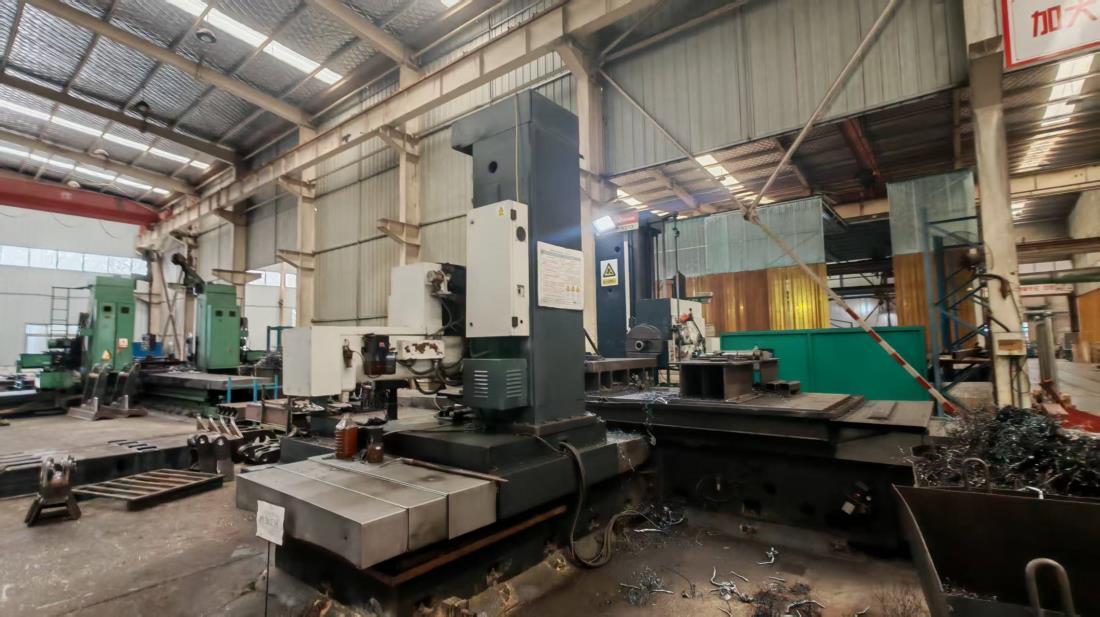
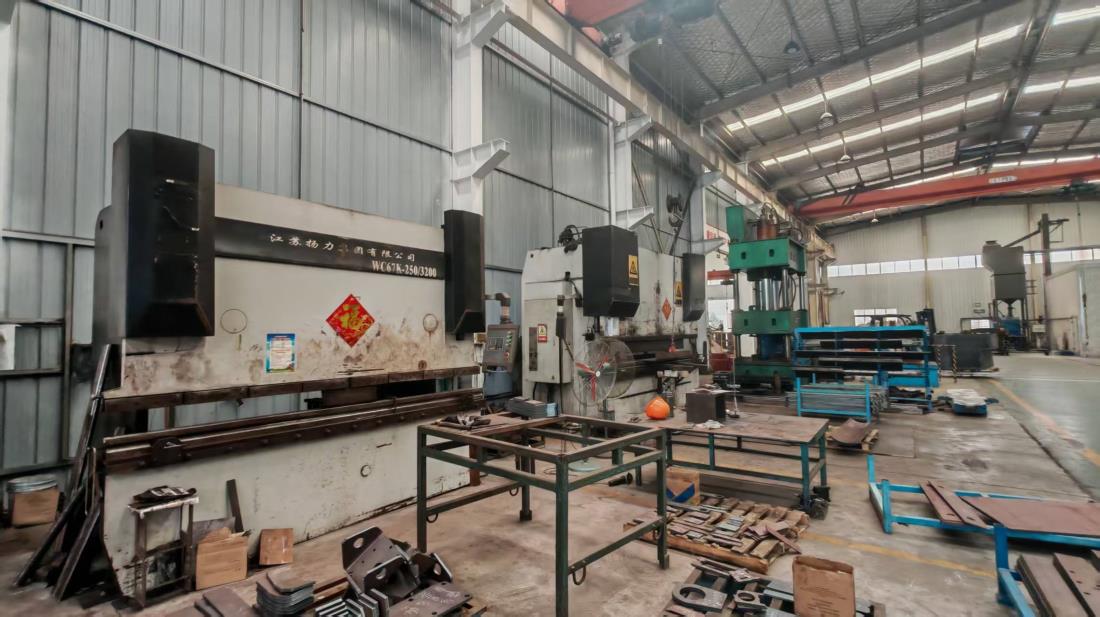
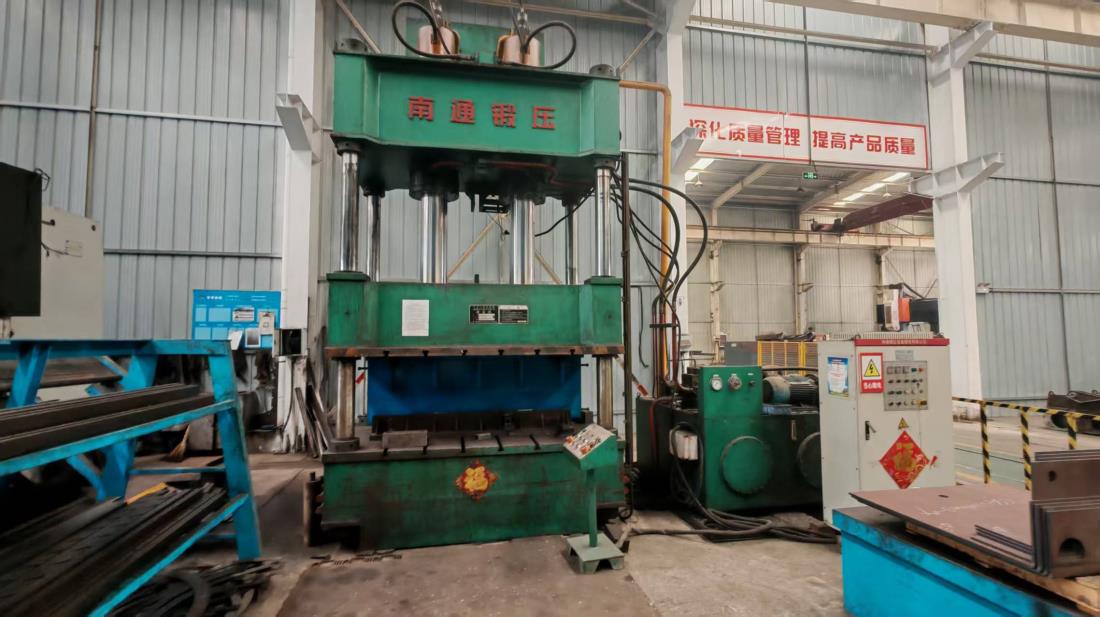
China's heavy machinery manufacturing ecosystem is highly regarded worldwide, and Weifang MRECH leverages every aspect of it. By situating our manufacturing facilities in Shandong Province, we tap into a dense industrial network of raw steel production, advanced hydraulic casting foundries, precision gear system fabricators, and expert heavy engineering talent. This vertical integration allows us to keep lead times incredibly short while maintaining strict quality control over every machine we build.
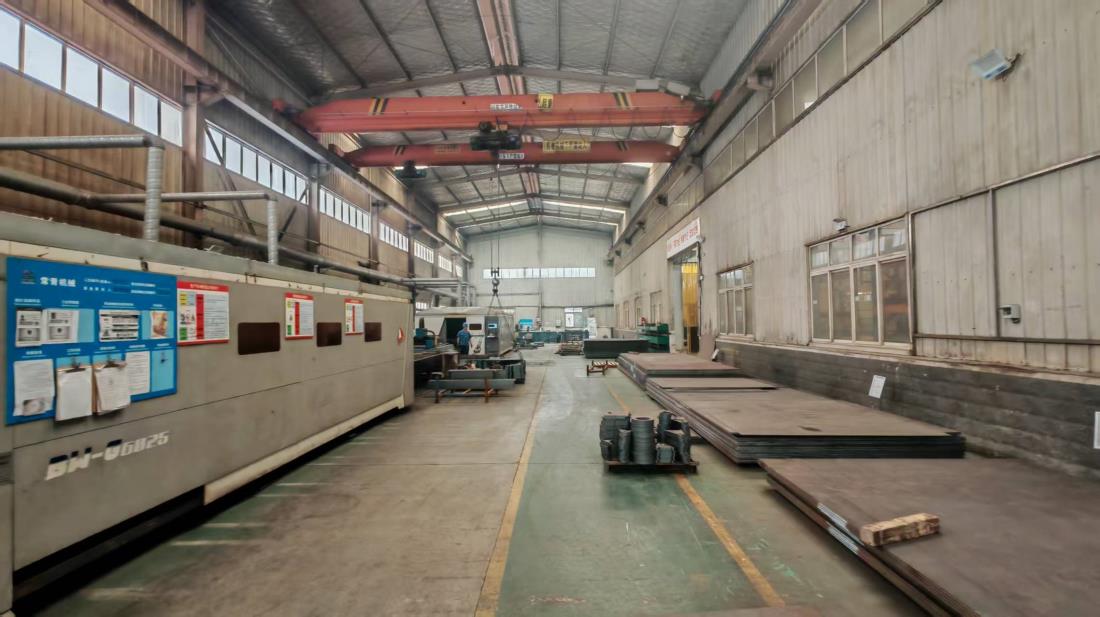
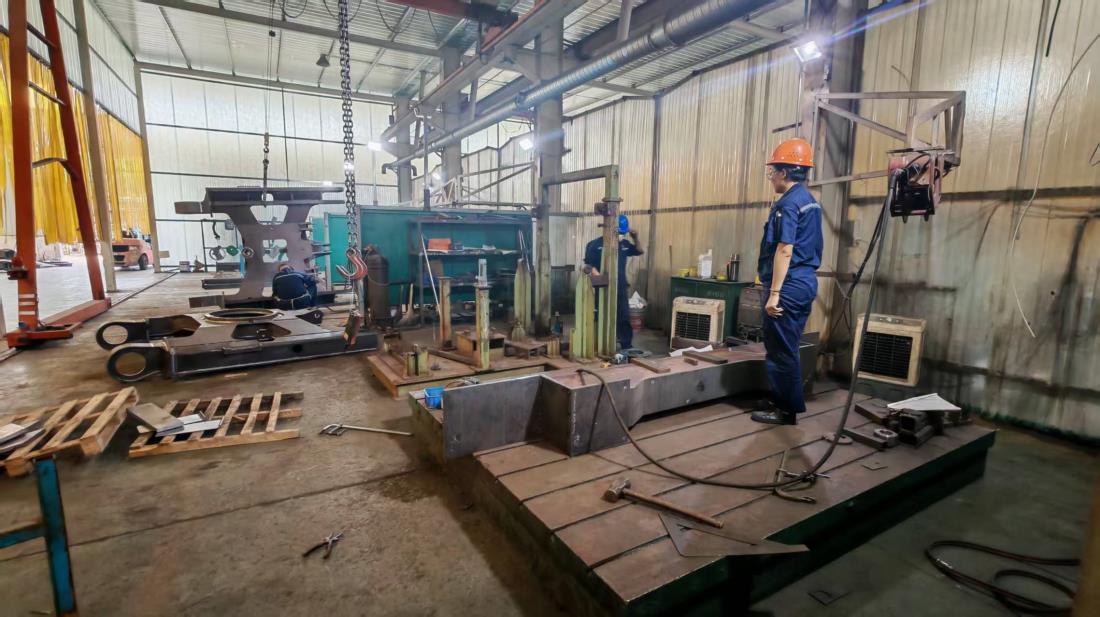
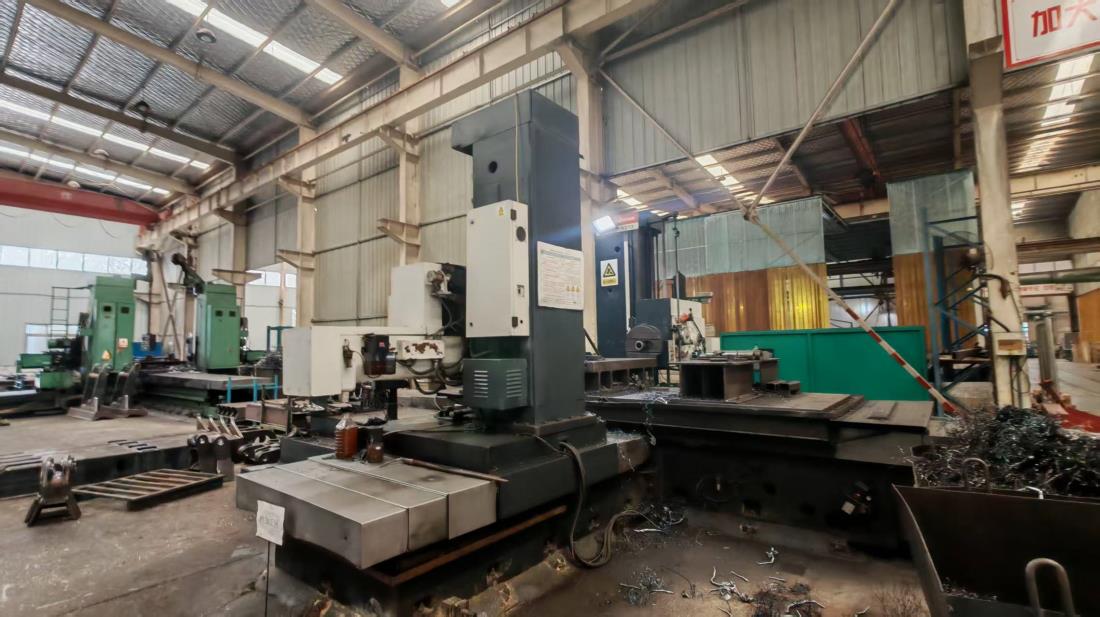
Our workshop utilizes advanced, computerized manufacturing machinery to ensure that every structural plate, planetary track gear, and custom extrusion mold is fabricated to precise physical tolerances. Check out our high-efficiency manufacturing processes below:
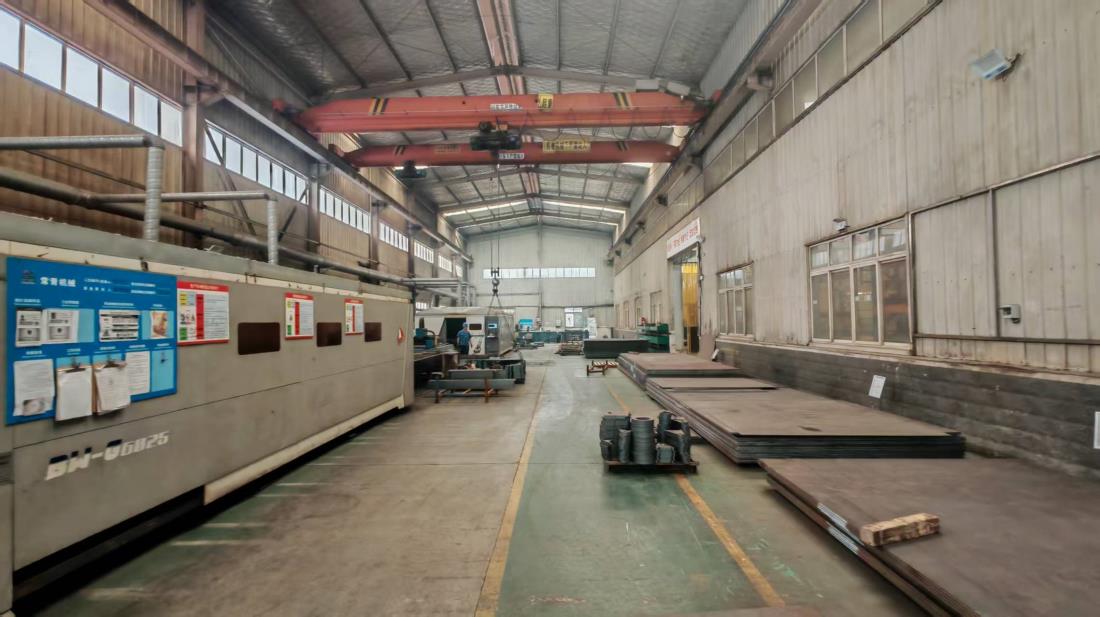
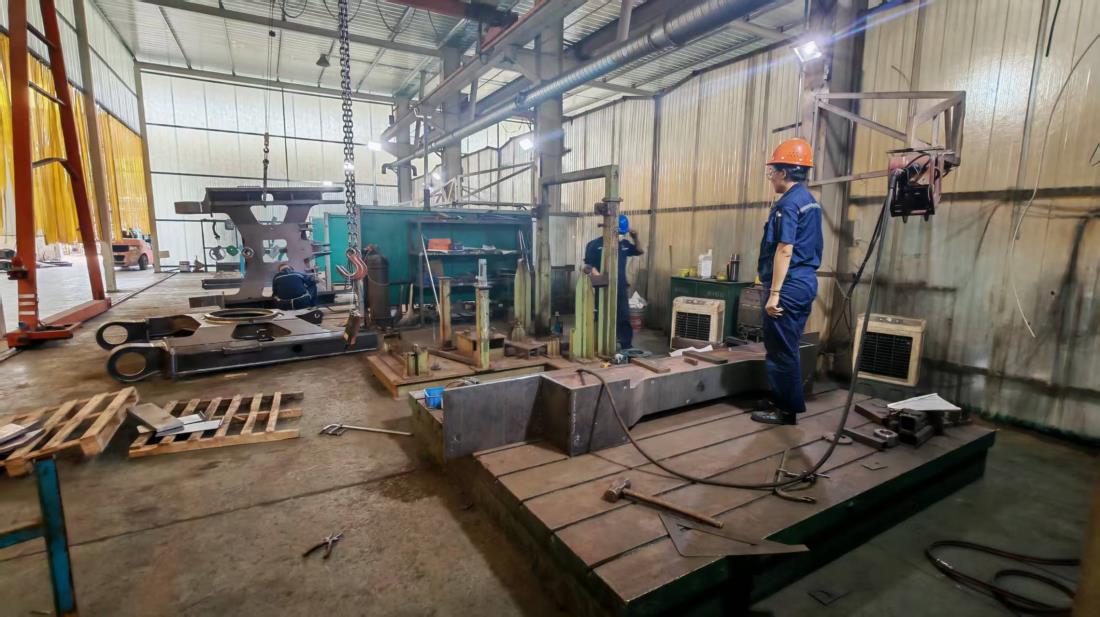
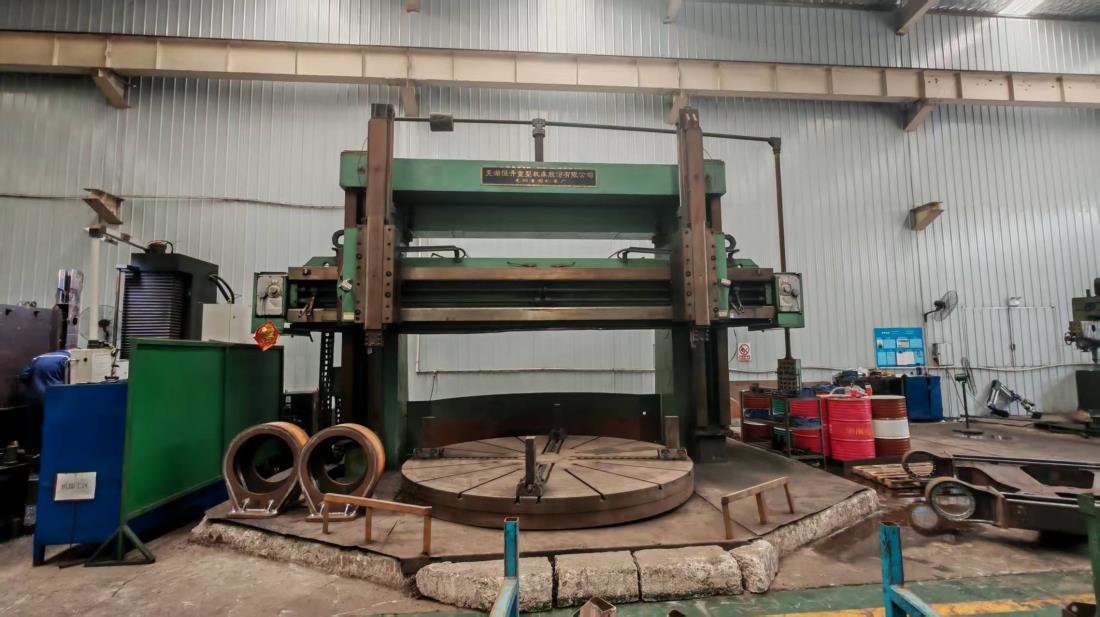
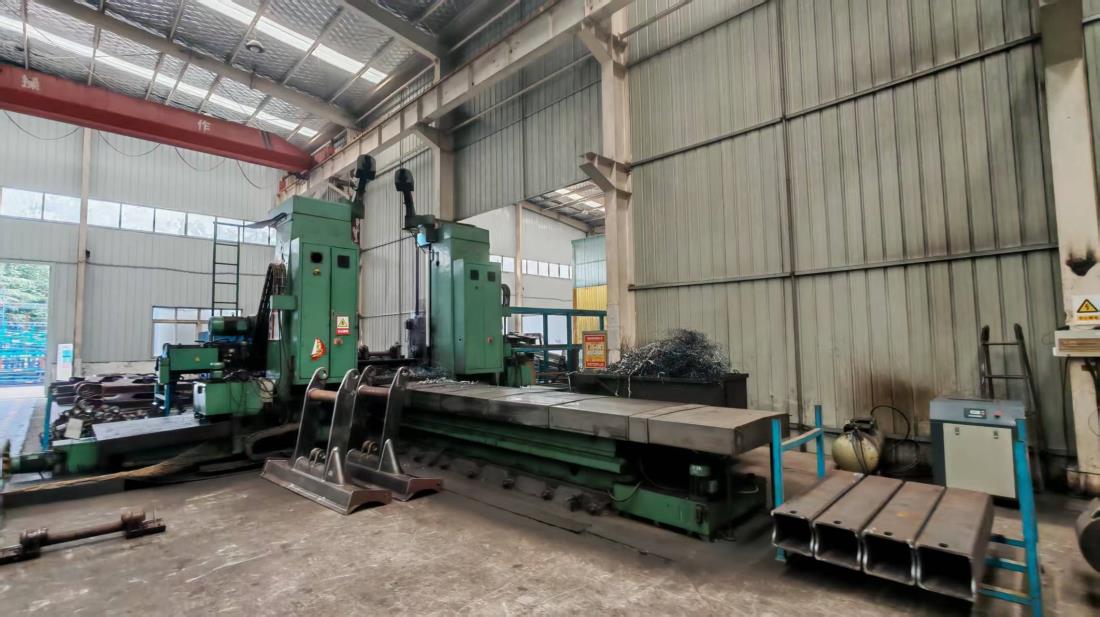
How dynamic site environments, varying concrete behaviors, and geographical realities dictate customized engineering solutions on the ground.
In dry agricultural regions across Central Asia and the Middle East, water conservation is a top priority. Our Cast-in-Situ Canal Forming Machine Equipment extrudes precise trapezoidal and U-shaped canals, eliminating water seepage and maximizing water delivery efficiency. Custom vibratory compactors ensure the finished concrete lining is dense, smooth, and highly resistant to environmental cracking.
Developing complex urban curbs and gutters near existing utilities requires extreme spatial flexibility. MRECH's versatile slipform curb and gutter machines can pave within millimeters of obstructions. The machine's small footprint and short turning radius allow contractors to work seamlessly in tight spaces and tight corners without requiring manual touch-ups.
Extruding tall, structural concrete safety barriers (such as tall Jersey barriers) requires zero-slump concrete that supports its own weight immediately. Our robust heavy-duty concrete barrier slipforming machines utilize low-frequency, high-amplitude vibrators and heavy molds to construct high-strength, monolithic concrete walls that immediately stand self-supported.
Pioneering the next generation of automated, high-precision concrete slipform construction machinery.
The slipform paving industry is undergoing a major technological transformation, moving from basic manual line sensors to fully automated cybernetic control systems. At Weifang MRECH, our engineering and R&D teams are committed to incorporating these cutting-edge technologies into our product roadmap:
Traditional guide strings are fragile and require time-consuming setup. We are integrating advanced GPS and local positioning systems (LPS) directly with the machine’s hydraulics, enabling precise structural placement without physical lines.
Integrating smart hydraulic pumps that dynamically monitor engine load and concrete resistance. The system automatically adjusts vibrator speeds and drive torque in real time, preventing aggregate segregation and ensuring structural uniformity.
As low-carbon, geopolymer, and high-fly-ash concrete mixes become standard globally, our R&D focuses on optimizing extrusion molds to handle the higher viscosity and unique friction requirements of green concrete.
Buying heavy machinery internationally requires absolute trust, highly reliable quality verification, and responsive engineering support. At Weifang MRECH, we provide complete compliance and dedicated technical support, ensuring your equipment operates at peak efficiency from day one.
Fig 2: Vertical plate cutting and testing ensuring precise alignment for our slipform machines.
Direct, technically detailed answers addressing critical operator questions and structural challenges.
The optimal concrete slump for slipform paving is extremely low—typically between 10mm and 25mm (0.4 to 1.0 inch). The concrete mixture must be stiff enough to retain its extruded shape immediately upon leaving the mold, yet fluid enough to be fully consolidated by the high-frequency hydraulic vibrators (operating between 6,000 and 10,000 RPM) to prevent void formation.
Our automatic slipform pavers utilize a system of precise proportional controllers combined with sensitive physical line sensors (or 3D GPS controllers). The system automatically controls the high-response hydraulic cylinders on our crawler tracks, dynamically adjusting height and steering within a tight tolerance of ±2mm relative to the designated grade line.
Yes. The main frame of our slipform machines is modular. By simply unbolting the current extrusion mold and replacing it with a new profile (such as swapping a standard curb mold for a trapezoidal drainage channel mold), contractors can complete diverse infrastructure projects using a single machinery asset.
For softer soils, we configure our machines with widened steel crawler tracks or high-flotation tires to distribute weight evenly and prevent sinking. Additionally, we recommend running our advanced double-chain ditch trenchers beforehand to establish a clean, compacted trench profile before the concrete is laid down.
At the end of every daily run, the entire concrete extrusion chamber, internal molds, and vibrator tubes must be thoroughly washed with high-pressure water to prevent concrete buildup. Additionally, operators should check the hydraulic oil level, clean the primary hydraulic filters, and grease the primary drive bearings and crawler tracks daily.
To optimize shipping costs, we design our heavy pavers with modular, bolt-together frames. This allows our large slipform units to be disassembled and safely packed into standard 40-foot flat rack or high-cube shipping containers, keeping ocean freight costs down while protecting the delicate hydraulic and electrical systems.
Explore the rest of our premium machinery lineup, built to handle heavy-duty projects and demanding site conditions.
 MRECH Machinery