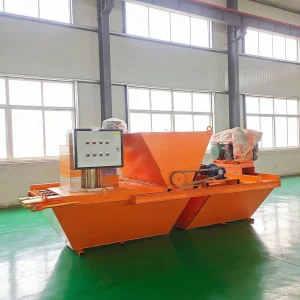
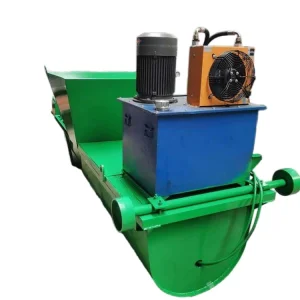
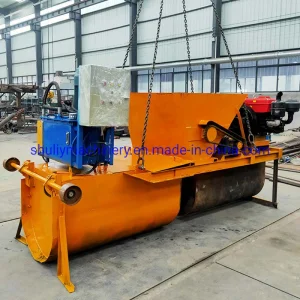
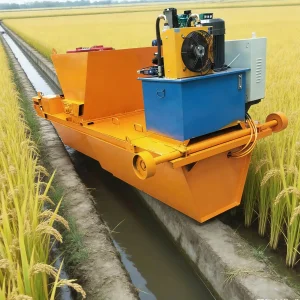
High-speed, automated ditch forming systems designed for local infrastructure, agricultural water management, and heavy rainfall drainage control.
A deep technical and regional analysis of modern slipforming mechanics, local Colombian geological and climatic demands, and factory supply chain optimization.
Colombia stands out globally for its extraordinary water abundance, yet it faces distinct challenges related to spatial and temporal water distribution. Due to the country's unique geographical profile, which includes three mountain ranges (the Cordillera Occidental, Central, and Oriental), vast plains, and dual coastal basins (Pacific and Caribbean), rainfall is highly uneven. According to the *Instituto de Hidrología, Meteorología y Estudios Ambientales (IDEAM)*, Colombia experiences profound seasonal variations driven by the Intertropical Convergence Zone, exacerbated by periodic **El Niño** and **La Niña** southern oscillation cycles. These events trigger extreme droughts in some seasons and devastating rainfall, flash flooding, and landslides in others.
In this complex hydrological landscape, traditional unlined earth canals or poorly constructed manual concrete channels are highly vulnerable. Unlined dirt channels lose up to 40% to 50% of their volume to subgrade percolation and lateral seepage. This massive loss reduces irrigation efficiency, damages slope stability, and causes waterlogging and soil salinization in nearby productive zones. Furthermore, during intense La Niña events, subgrade saturation combined with rapid surface runoff easily washes out unlined canals, resulting in catastrophic failures of agricultural distribution networks and roadside drainage.
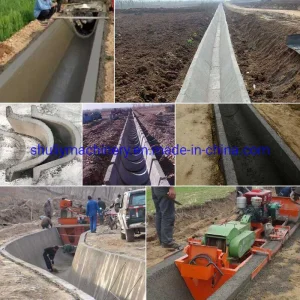
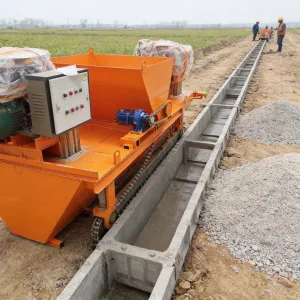
To address these challenges, modern infrastructure projects in Colombia are increasingly adopting automated concrete channel slipforming technology. These machines extrude continuous, monolithic, high-density concrete channels in a single pass. By eliminating mechanical joints and reducing internal voids, they achieve near-zero permeability, preventing water loss during dry periods and providing superior structural resilience against erosive torrents during the rainy season.
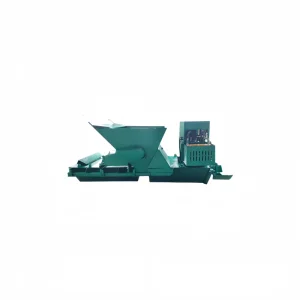
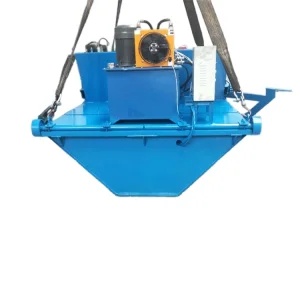
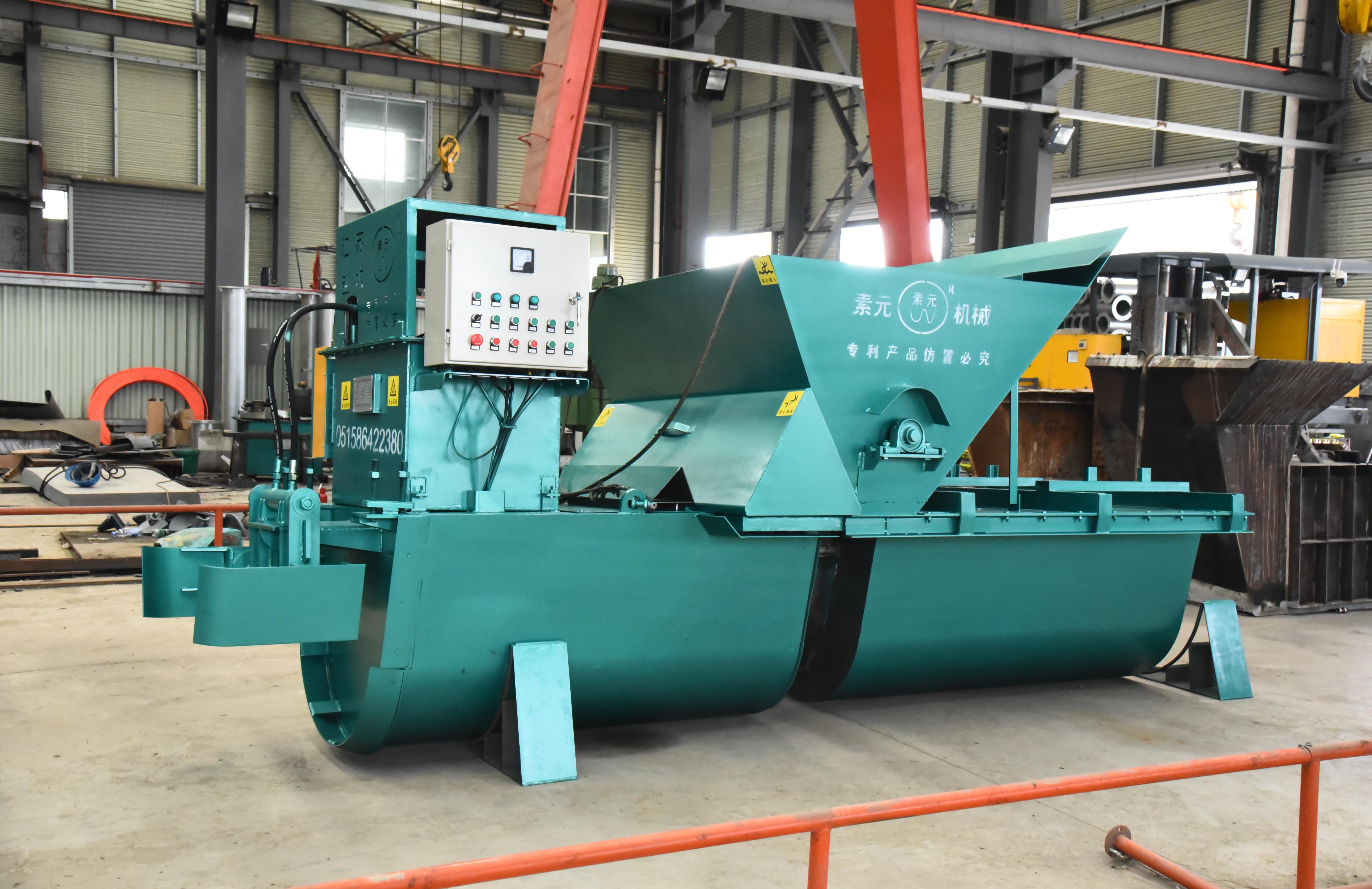
Our slipform pavers leverage high-frequency internal vibrators coupled with hydraulic grade sensors. As the machine self-propels, concrete with a highly controlled slump (30–50 mm) is loaded into the hopper. The material is instantly vibrated, consolidated, and extruded through a custom U-shape or trapezoidal steel mold. The resulting cross-section boasts a high compaction density (>98%), making it highly resistant to frost-heaving, root penetration, and high-velocity hydraulic shearing.
Automated slipform irrigation channel lining machines are deployed across several high-impact commercial and industrial zones in Colombia:
For project managers, civil contractors, and municipal authorities in Colombia, choosing the right technical approach determines the profitability and long-term durability of water conservancy assets. The table below outlines why automated extrusion technology is superior to old-school manual formwork under challenging operating conditions.
| Performance Metrics | Weifang MRECH Automated Slipforming | Traditional Manual Formwork Cast-in-Place | Pre-Cast Concrete Channel Segments | |
|---|---|---|---|---|
| Daily Progress (Linear Meters) | 250m - 400m per 8-hour shift | 30m - 50m per shift (highly labor intensive) | 80m - 120m (limited by crane/logistics speed) | High density extrusions minimize micro-fractures |
| Labor Allocation | 3-4 operators (machine, feed, finish) | 15-25 workers (setting, pouring, stripping) | 8-12 workers (rigging, transport, leveling) | Reduces overhead costs significantly |
| Concrete Density & Strength | Highly consolidated via high-frequency vibration | Variable; prone to voids and honeycombing | High factory standard, but compromised at joints | Critical for subgrade moisture containment |
| Joint & Seepage Integrity | Continuous monolithic pour; minimal joints | Numerous construction joints; prone to leaks | Joint every 1-2 meters; high sealant maintenance | Monolithic channels prevent root intrusion |
| Topographic Adaptability | Excellent; handles slopes and curves seamlessly | Difficult on steep slopes; high scaffolding cost | Extremely difficult on steep or winding terrain | Saves cost on extensive subgrade excavation |
| Long-term Maintenance Cost | Extremely low; structural life > 30 years | High; joint repairs and crack injection needed | Medium; joint seals require replacement every 5 years | Saves local government budgets over decades |
Weifang MRECH Machinery Co., Ltd. has developed a highly resilient supply chain and logistics protocol to ensure seamless delivery to the South American market. Utilizing China’s advanced manufacturing ecosystem in Shandong Province, we guarantee short lead times and highly robust packaging designed for international sea freight.
For Colombian buyers, we offer two main shipping routes:
Every machine is treated with anti-corrosion marine protective coatings, shrink-wrapped in heavy-duty poly-shields, and securely anchored in sea containers to withstand ocean transit. We manage all export documentation, custom clearances at origin, and coordinate closely with Colombian customs brokers to ensure compliance with DIAN regulations, minimizing port delays.
Strategically located in Weifang City, Shandong Province, China—a world-renowned hub for heavy industrial manufacturing—MRECH has established itself as an industry leader in road construction and concrete forming machinery. We specialize in the R&D, manufacturing, and global export of high-performance ditch forming machines, concrete slipform pavers, curb and gutter extruders, and customized canal lining solutions.
With years of hands-on experience, our engineering team designs equipment that solves real-world challenges faced by operators on the ground. Whether navigating the steep gradients of the Colombian Andes or meeting the strict concrete compaction requirements of municipal drainage systems, our machines deliver exceptional performance.
Our mission is simple: to provide robust, reliable, and high-efficiency machinery that empowers builders, reduces manual labor, and optimizes infrastructure investment worldwide.
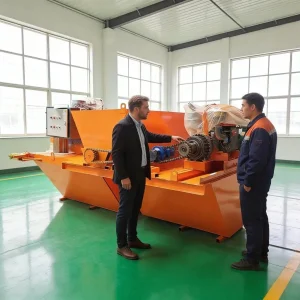
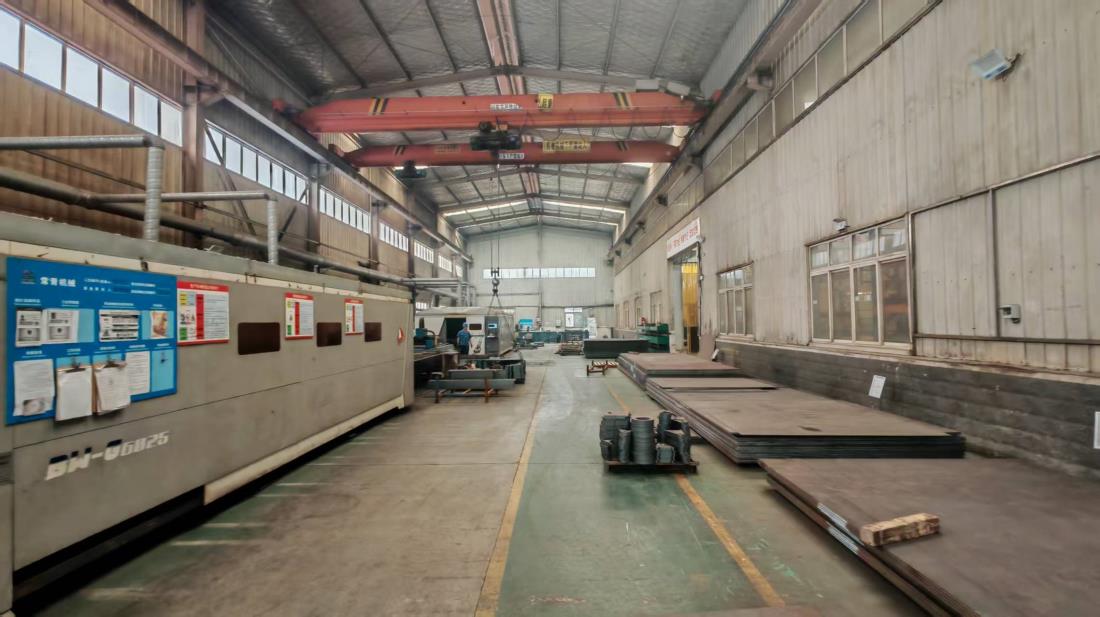
We utilize state-of-the-art manufacturing equipment to ensure every machine meets international tolerance, structural, and safety standards.
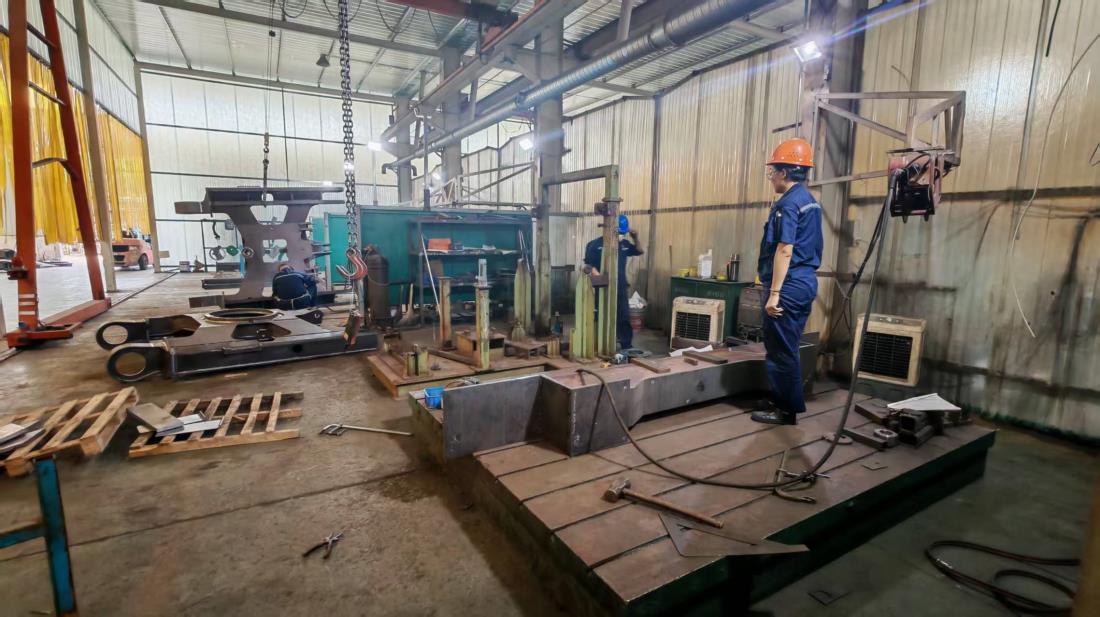
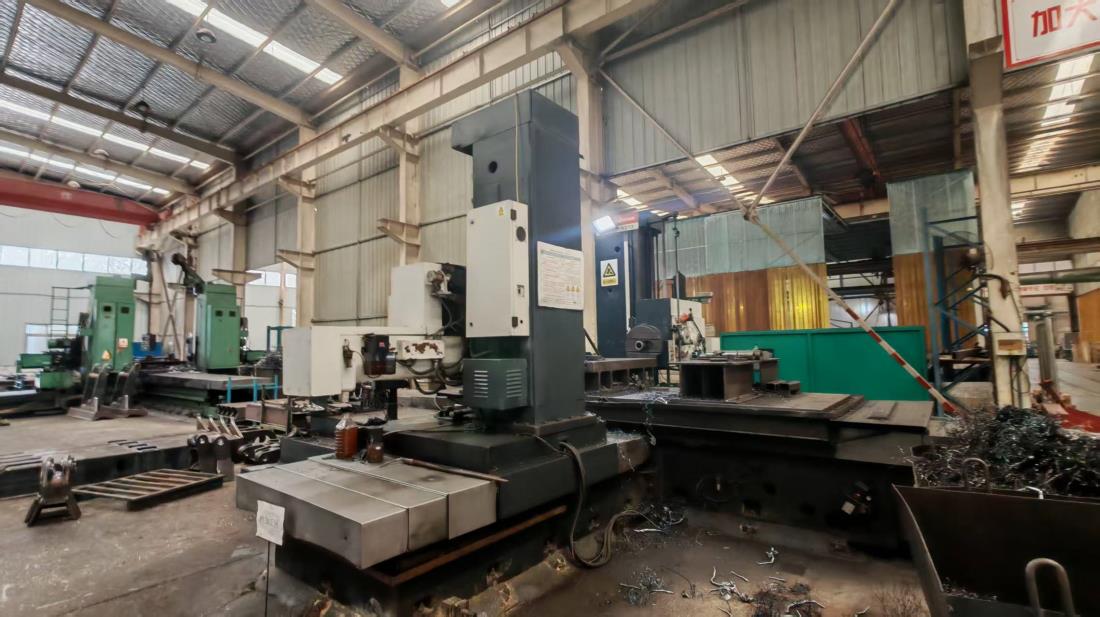
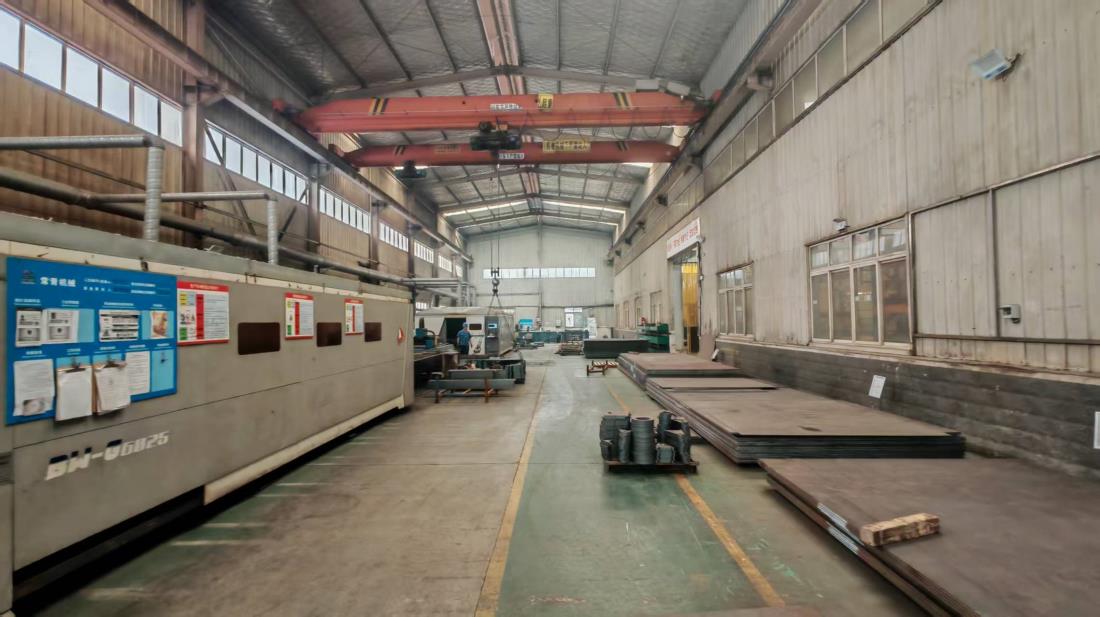
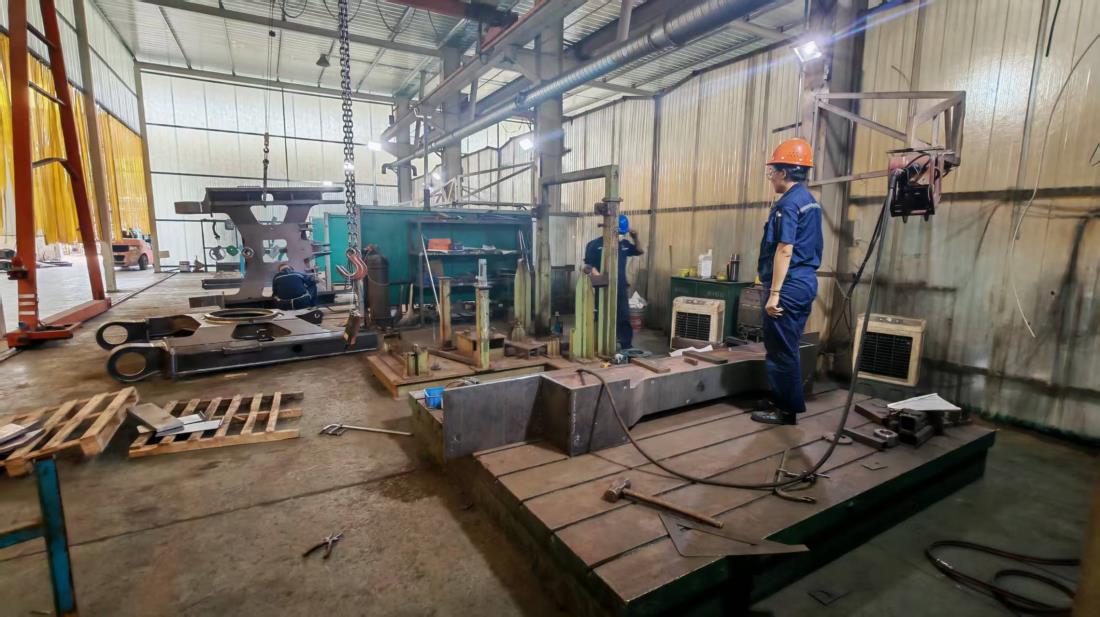
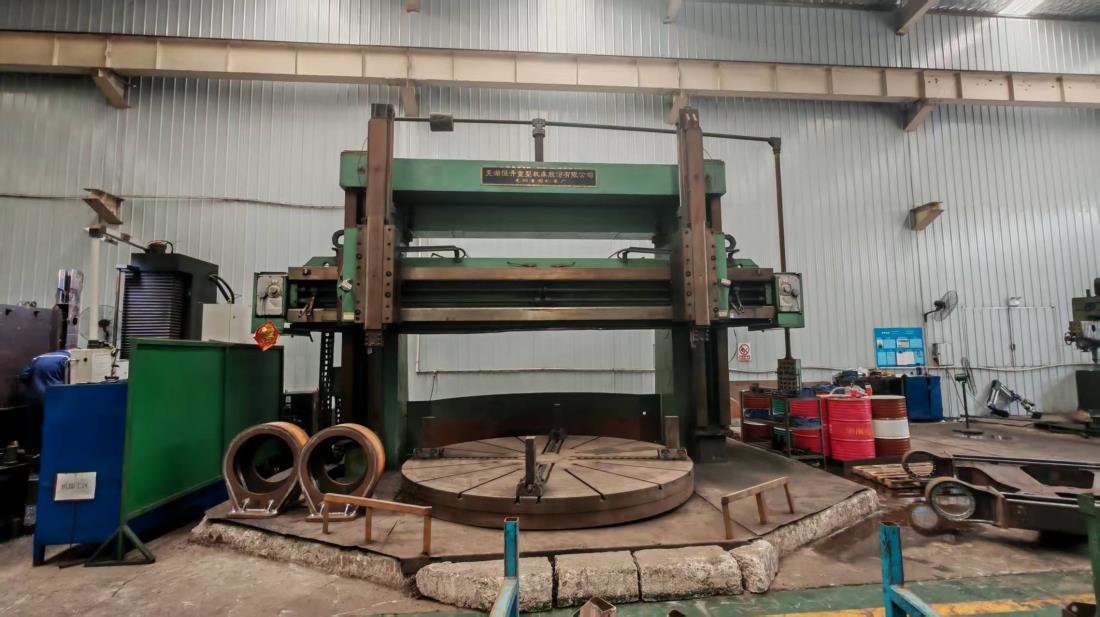
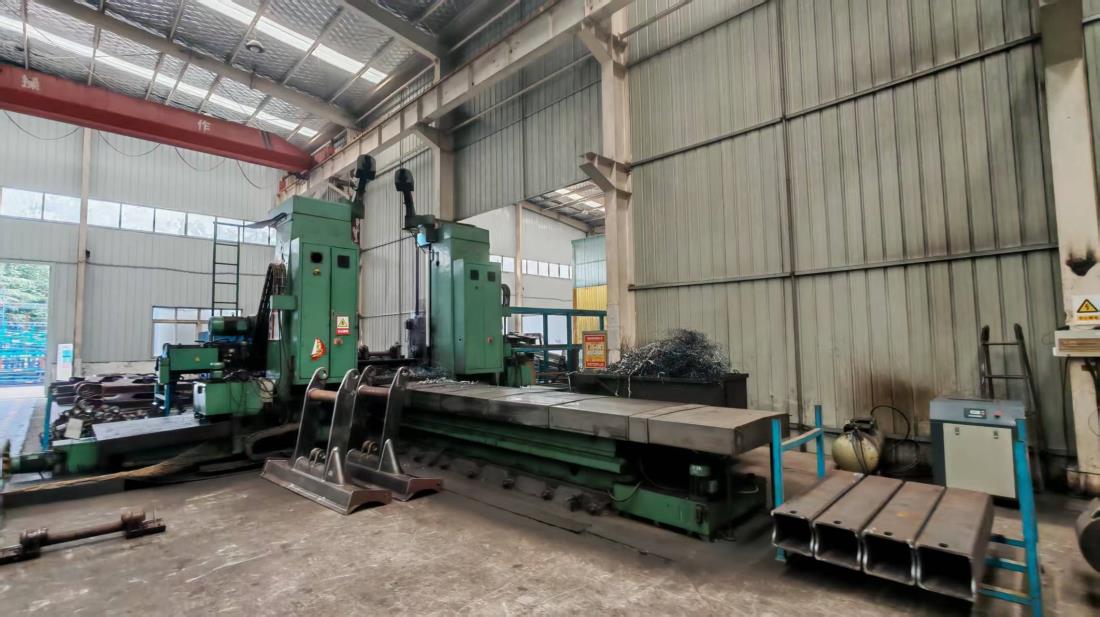
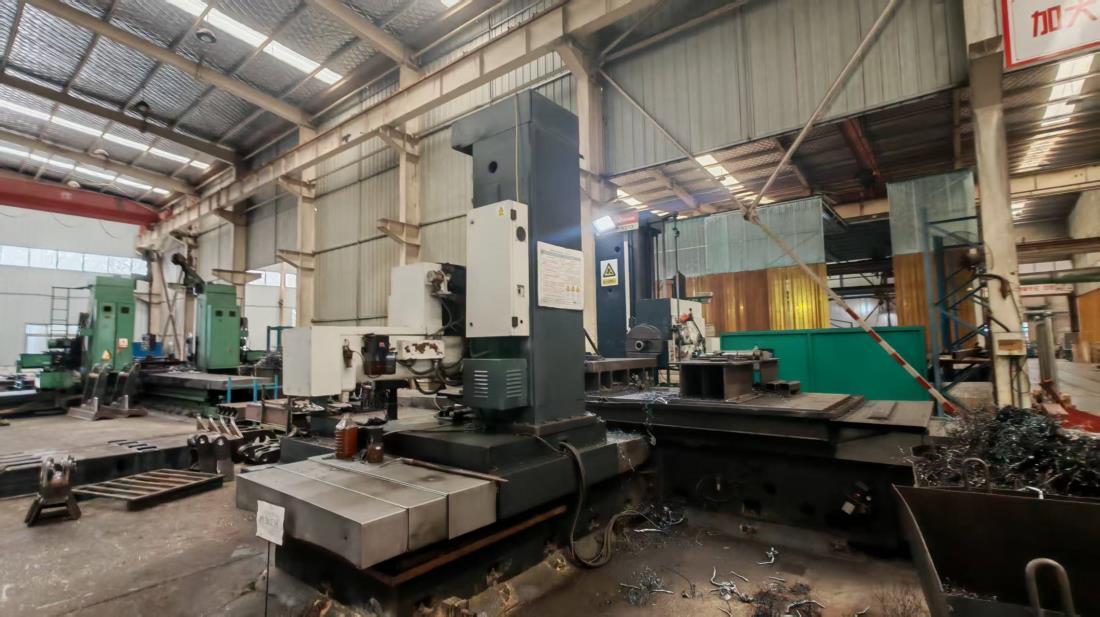
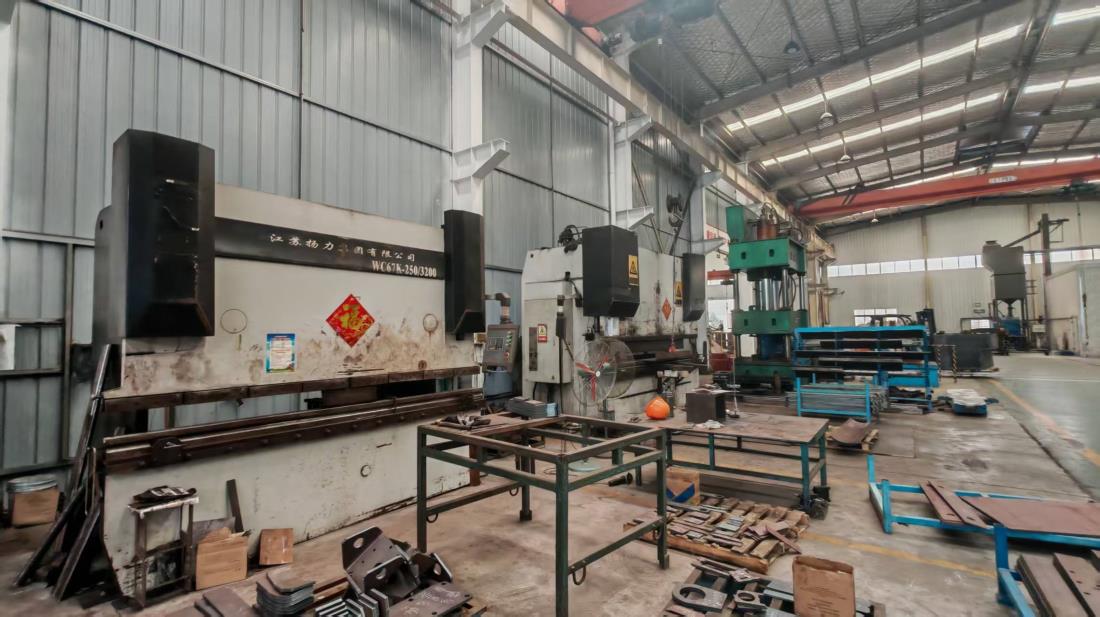
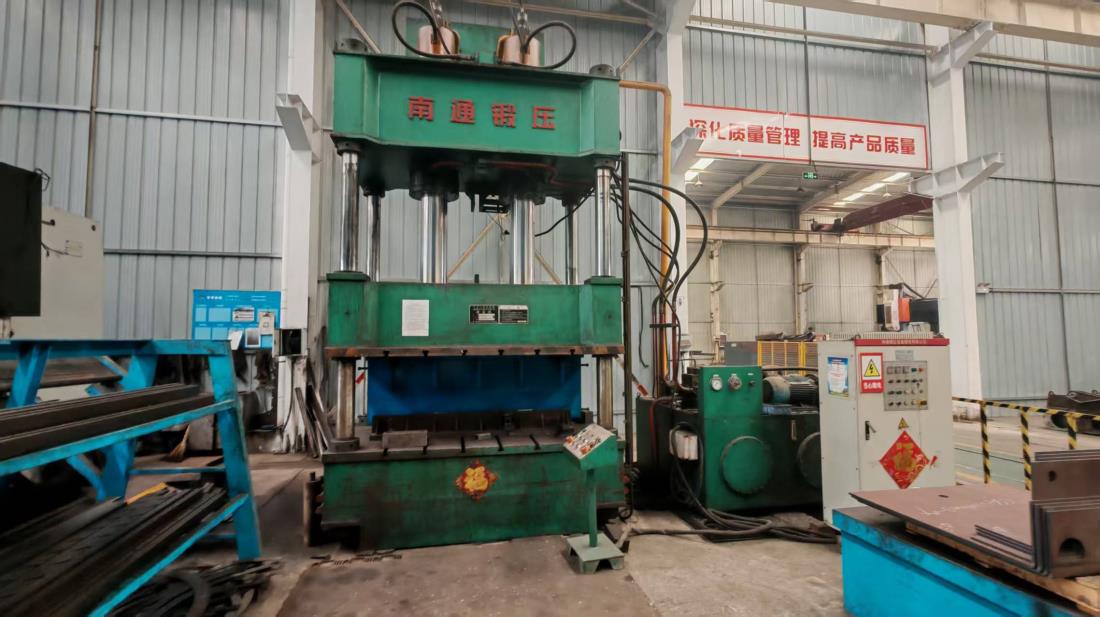
Explore our specialized road construction, drainage channel shaping, and slipform equipment portfolio, engineered for high reliability in South American soils.
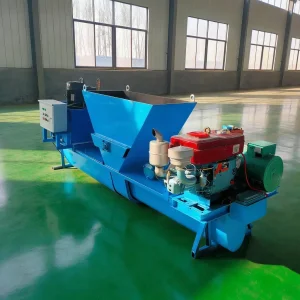
How our equipment meets rigorous local Colombian construction guidelines (NSR-10) and ensures peak environmental performance.
In Colombia, structural and geotechnical works must comply with the Reglamento Colombiano de Construcción Sismorresistente (NSR-10). Concrete ditch and canal profiles must satisfy strict design requirements for compression, subgrade stability, and drainage runoff load tolerances. MRECH’s slipform machines allow operator-controlled adjustment of wall thickness and concrete grade. Because our machines utilize dense vibration and precise mechanical molds, they produce concrete channels with low porosity. This prevents water from penetrating sills, reducing the risk of soil expansion sills and structural failures under Colombian seismic activity.
Agricultural entities must adhere to strict water conservation targets set by environmental bodies like ANLA and Regional Autonomous Corporations (CARs). Efficient water delivery is critical. Unlined channels are no longer permissible in many river basins due to significant water loss. Adopting MRECH's concrete lining systems prevents seepage, demonstrates compliance with environmental targets, and avoids potential fines.
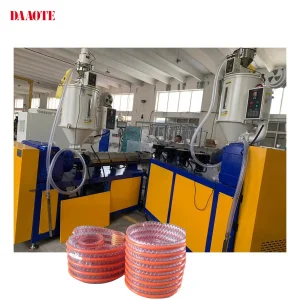
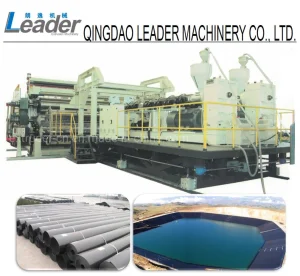
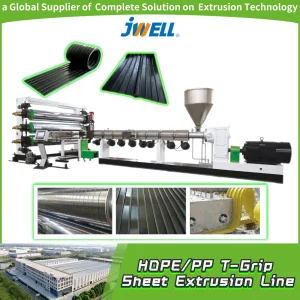
Industrial geomembrane extruders, T-Grip anti-erosion lining systems, and custom agricultural pipe extrusion equipment.
Expert engineering answers to common technical queries on soil preparation, concrete recipes, and operational support in Colombia.
 MRECH Machinery