Our top engineering configurations designed to address low-lying marine soils, water filtration control, and heavy precipitation drainage channels in the Maldives.
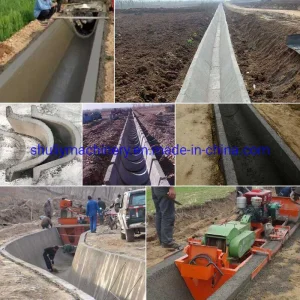
Fully electric execution suited for remote island agricultural zones, delivering noise-less and emission-controlled channel formatting.
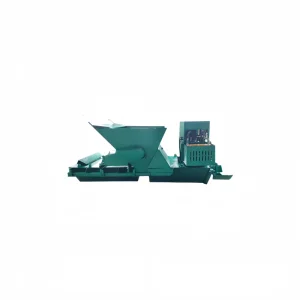
Optimized for shallow groundwater tables to produce clean, lined drainage paths that control salinization.
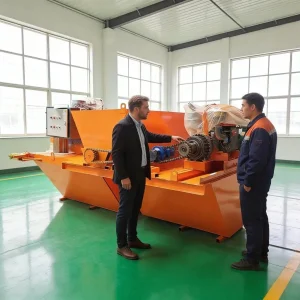
Perfect for coastal road network development, structuring monolithic concrete gutters resistant to wave splash.
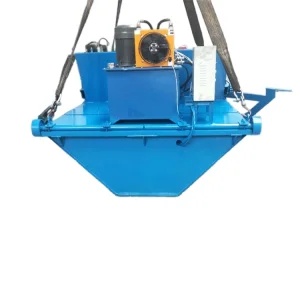
Multipurpose shaper engineered for luxury resort landscaping, beach run-off management, and clean drainage.
The Republic of Maldives presents one of the most structurally complex geological landscapes globally. Composed of 26 natural atolls containing over 1,190 coral islands, the country struggles with an urgent hydrological crisis. Fresh water is a highly scarce resource, stored naturally within a very fragile "freshwater lens" floating above denser saltwater underneath the island soil structure.
With agriculture expanding on inhabited islands such as Thoddoo, Fuvahmulah, and Kaashidhoo, standard soil-dug ditches are no longer viable. The highly porous coral sand causes up to 70% of irrigated water to seep directly back into the ground before reaching plant root systems. Furthermore, poor runoff channels during monsoon storms trigger rapid erosion of precious topsoils.
To preserve freshwater lenses from contamination and conserve agricultural water, municipal developers and resort operators are shifting toward automated concrete-lined channels. Our irrigation channel lining machines offer Maldives contractors a rapid, mechanized method to pour continuous, low-porosity concrete linings that prevent groundwater seepage, stop soil erosion, and withstand high marine atmospheric salinity.
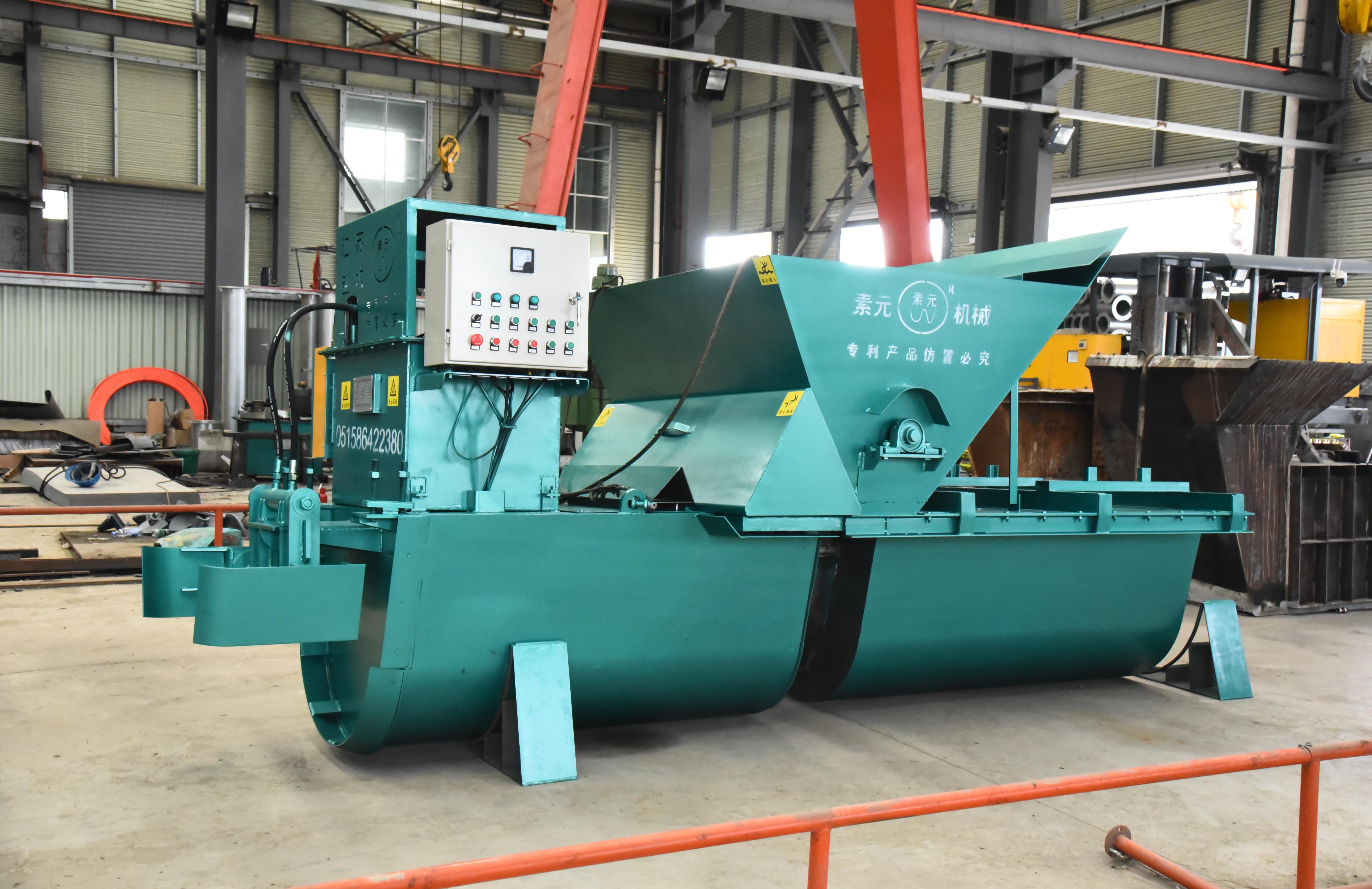
On a global scale, the construction of canals, agricultural ditches, and municipal gutters has transitioned rapidly from labor-intensive manual pre-cast block placement to monolithic slipform extrusion lining. Hand-laid block joints are highly susceptible to weed growth, joint degradation, shifting soils, and severe structural leakage.
Modern hydrological infrastructure projects rely heavily on high-speed automated extrusion machines due to several factors:
Monolithic concrete slipforming produces a continuous, joints-free design that drastically reduces internal friction. This maximizes water flow rate and stops leakage completely.
Fewer workers are required on-site, minimizing structural errors and keeping operators safe in challenging coastal and rural environments.
Automated ditch makers can process dozens of linear meters per hour, reducing construction times by more than 80% compared to traditional wooden framework casting methods.
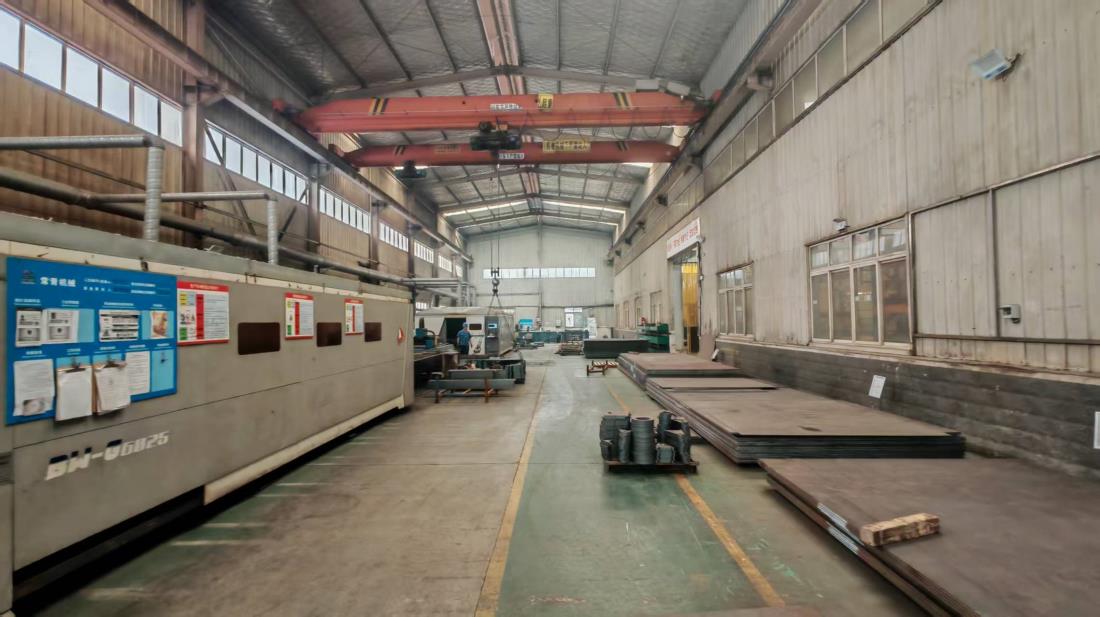
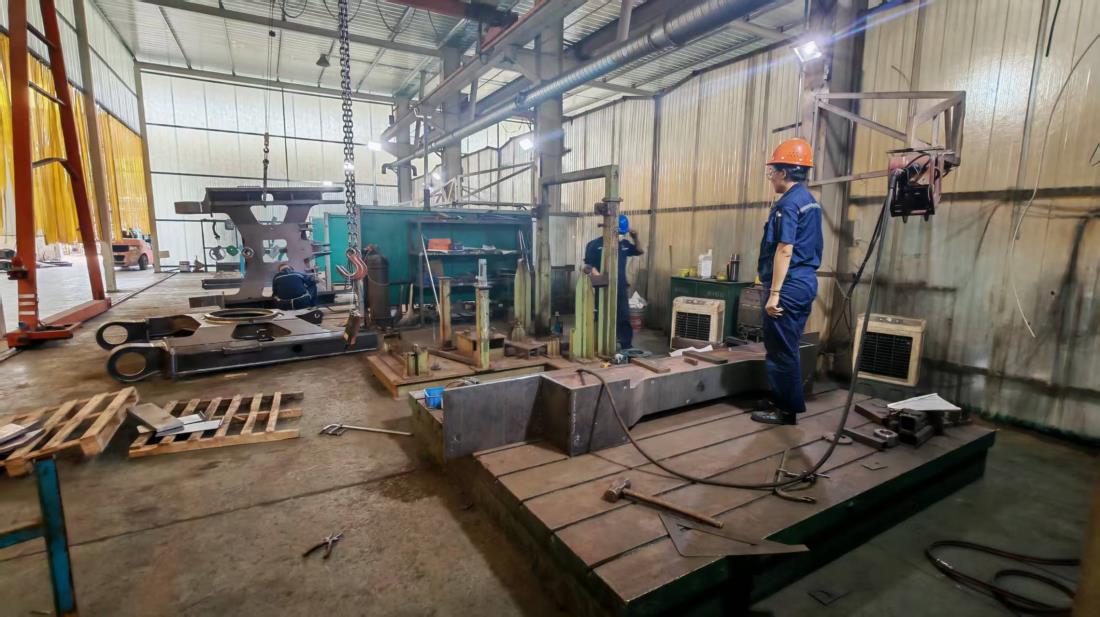
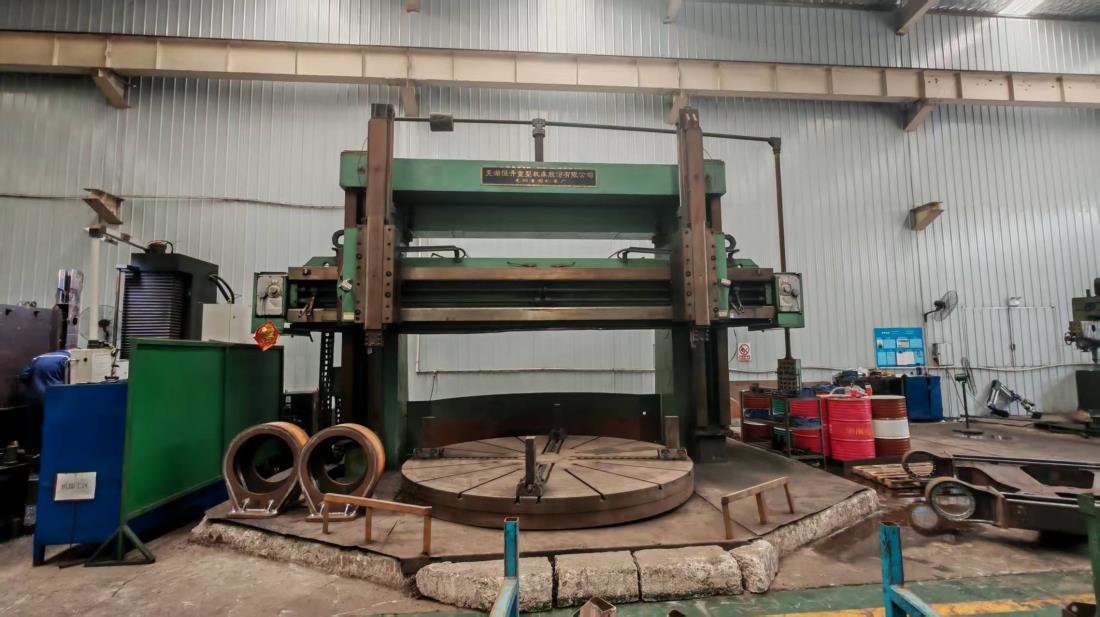
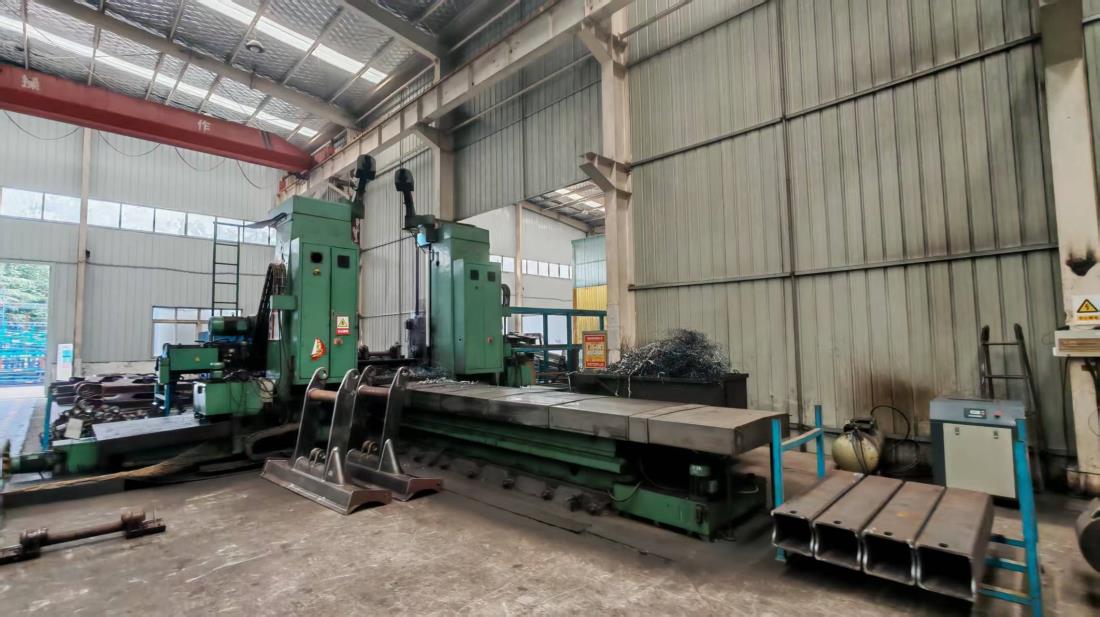
Located in the heart of Shandong Province, Weifang MRECH Machinery Co., Ltd. benefits from China's premier heavy industrial ecosystem. Our factories utilize advanced mechanical integration to produce rugged, highly customized machinery at a lower unit cost. Here is how our production facility maximizes engineering value for Maldives clients:
Unlike small assembly workshops, MRECH integrates every manufacturing stage in-house. From raw structural steel cutting to final automated testing, we operate with strict quality control. This guarantees structural stability, even when operating in harsh island climates with highly humid and salty air.
Maldives infrastructure projects require specific channel widths, depths, and slopes to handle localized flash floods. We utilize custom mold engineering to accommodate U-shape, V-shape, trapezoidal, and rectangular specifications tailored to each client's technical requirements.
To extend machine service lives in aggressive marine environments, our structures receive sandblast pre-treatments, high-zinc anti-corrosion primers, and weather-resistant polyurethane topcoats, reducing long-term maintenance costs for island contractors.
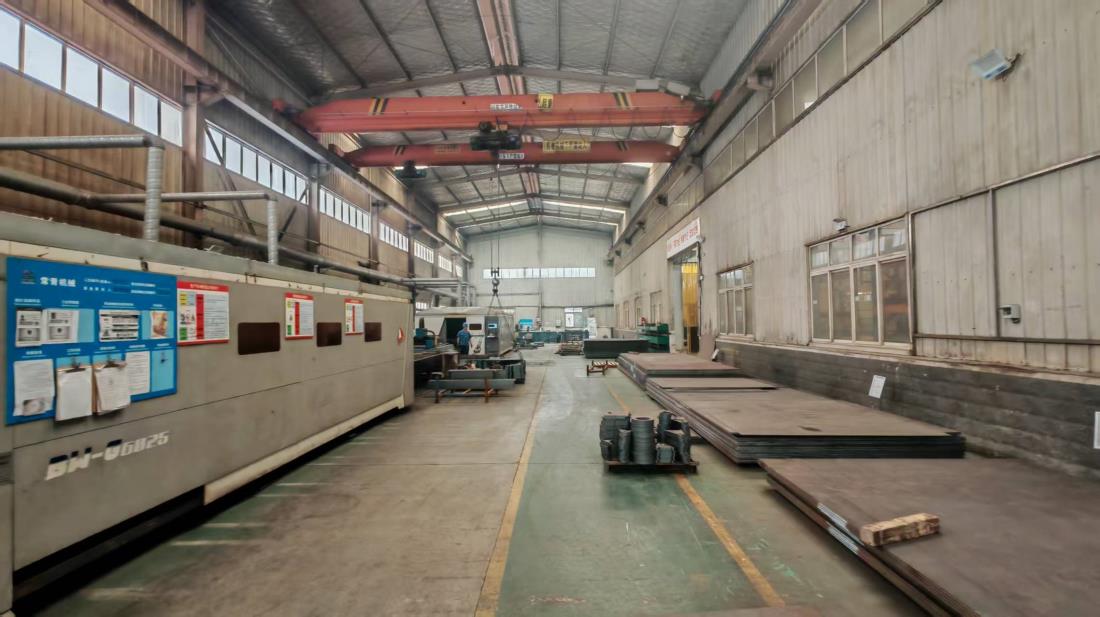
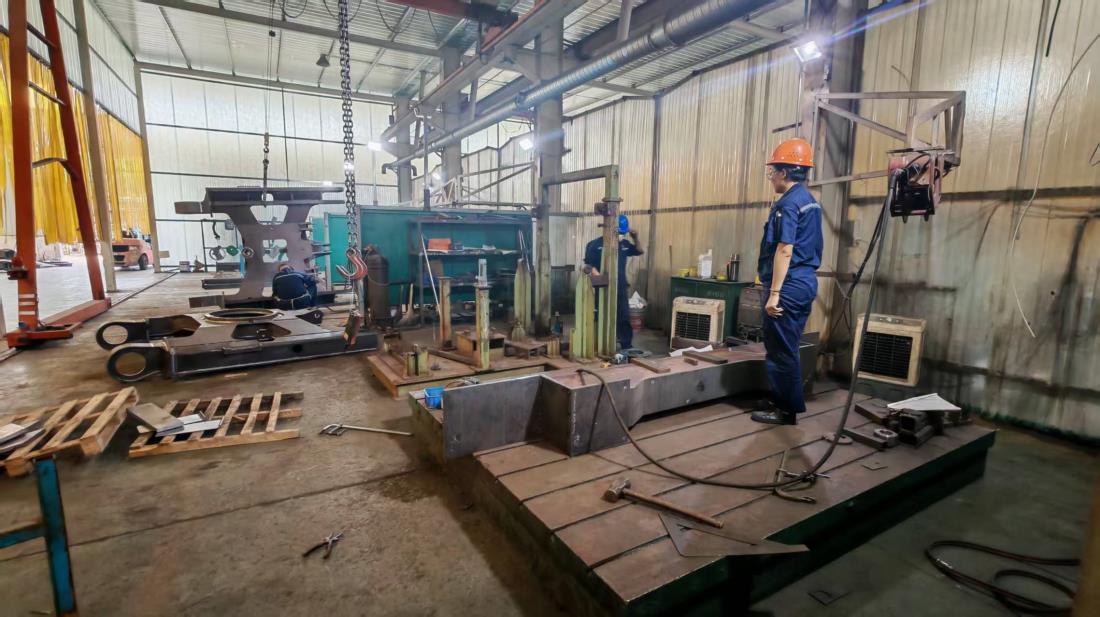
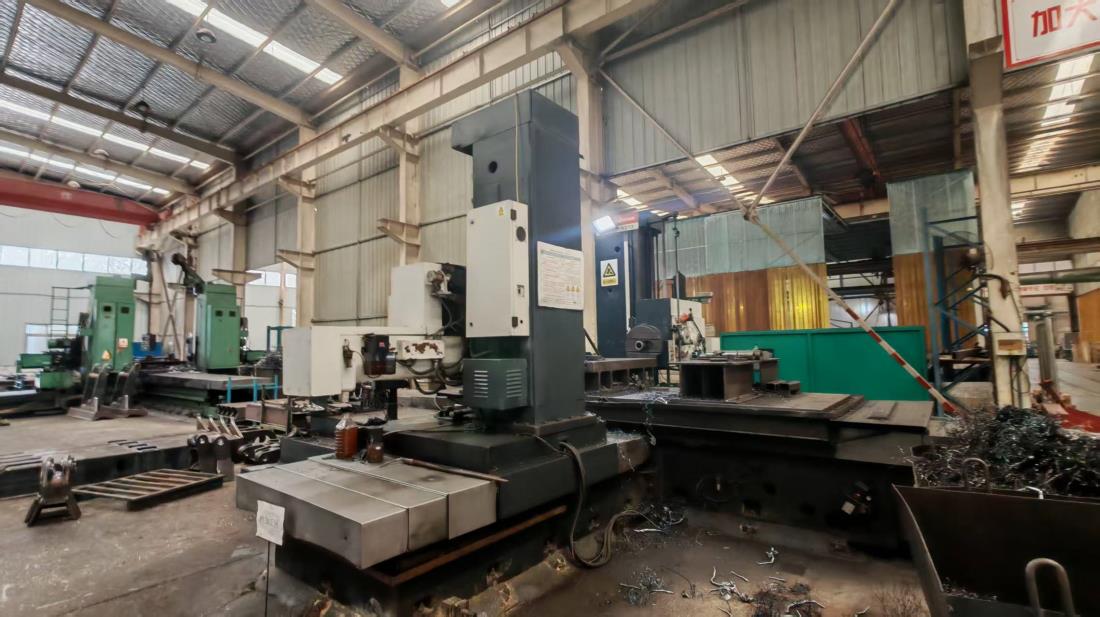
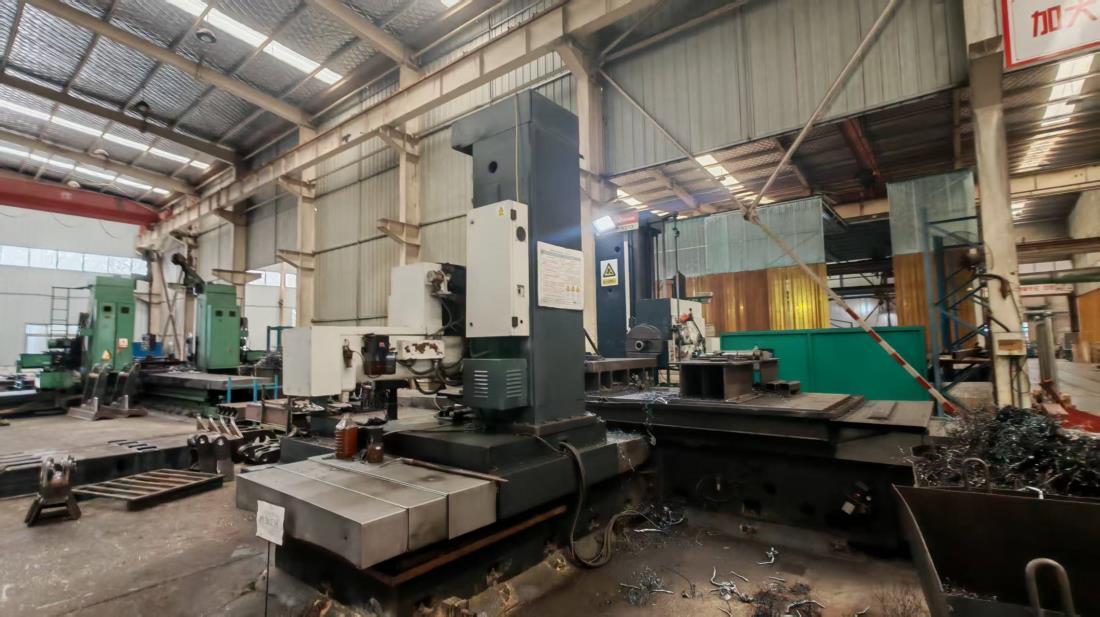
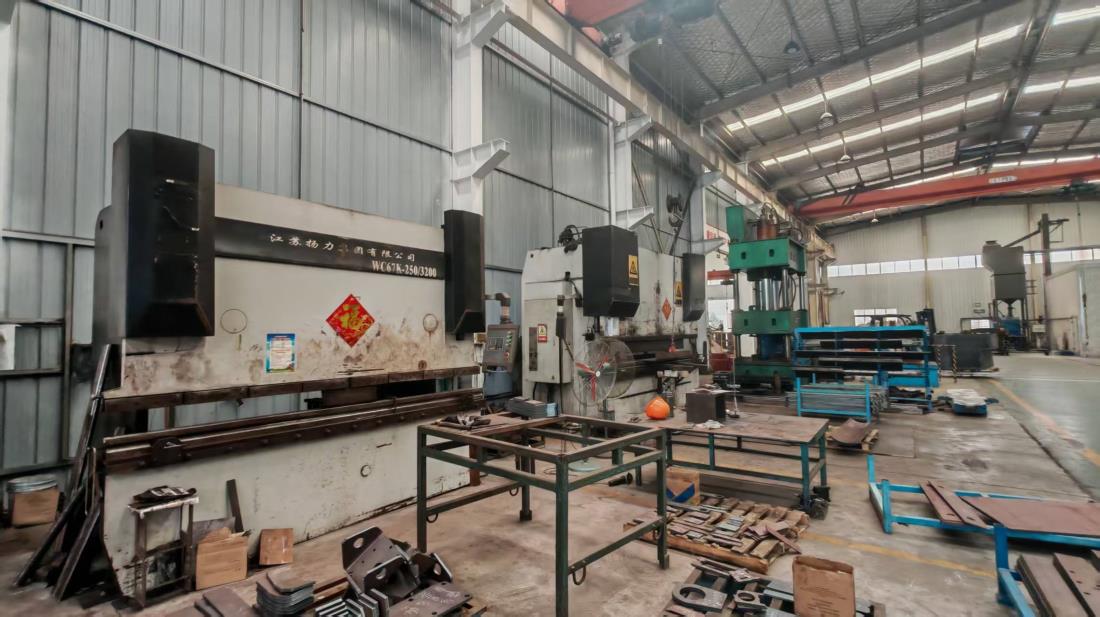
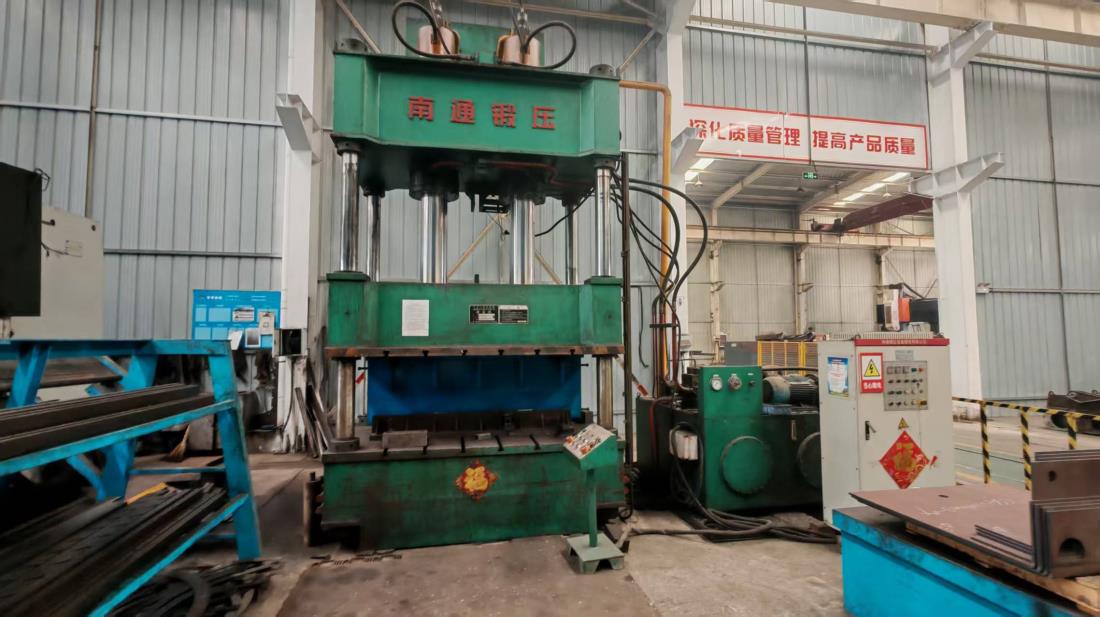
Engineered for high durability and structural performance across coastal, municipal, and agricultural developments.
Engineered for continuous curb and side-channel casting along new island coastal roads.
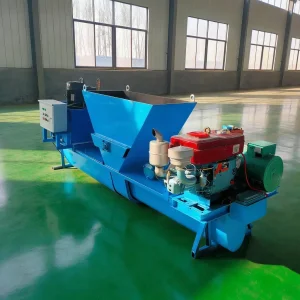
Fully self-propelled hydraulic drive design, lowering manpower needs and keeping pour lines straight.
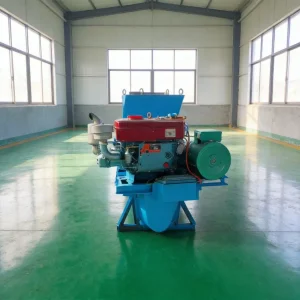
An all-in-one concrete extrusion machine for uniform wall thickness and fast drying.
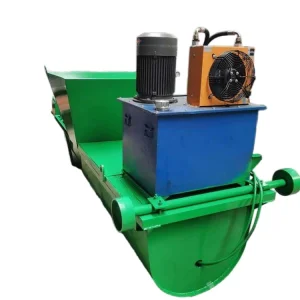
Equipped with high-performance hydraulic vibrators to minimize air voids in the concrete liner.
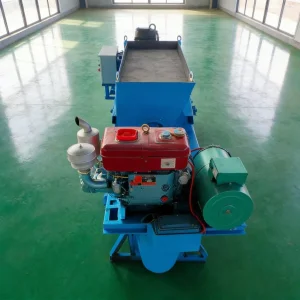
Engineered for low-lying agricultural zones, preventing soil saturation and protecting crops.
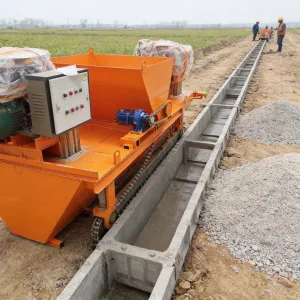
Heavy-duty build suited for high-density aggregates and saline-tolerant concrete mixes.
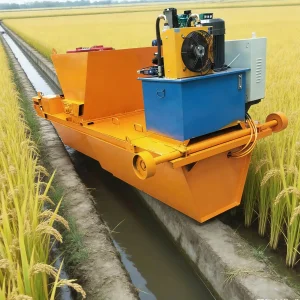
Ideal for wide drainage structures, providing fast concrete styling via vehicle towing systems.
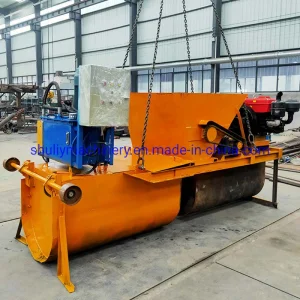
Specially customized for small agricultural plots on islands, saving space and optimizing water flow.
Beyond our primary channel forming machinery, Weifang MRECH supplies key auxiliary systems to support comprehensive infrastructure projects across the Maldives. These products are crucial for building sound barriers, preventing soil erosion, and constructing durable pipe networks:
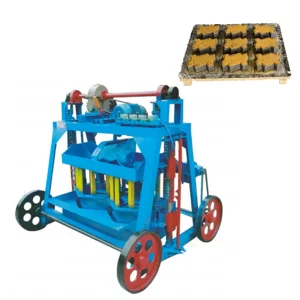
Provides local production of standard concrete blocks for residential and retaining wall projects across outer atolls.
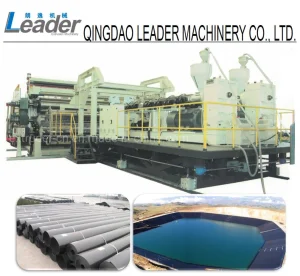
For on-island production of impermeable liners used in aquaculture ponds and municipal landfills.
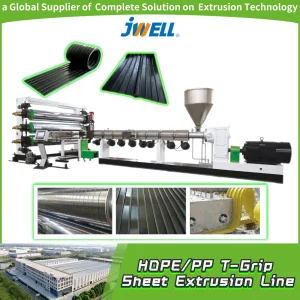
Manufactures highly durable, anti-erosion lining sheets designed to protect concrete channels from chemical wear.
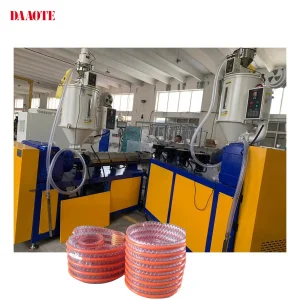
Enables domestic production of PVC suction hoses required for island irrigation pumps and coastal sand-dredging lines.
Operating concrete machinery in the Maldives presents specific environmental challenges. High relative humidity, hot trade winds, and high levels of atmospheric chlorides can negatively affect the concrete curing process. When deploying our channel lining machines on-site, engineers should follow these critical parameters:
High ambient temperatures accelerate concrete setting times. To prevent cracking, we recommend using set-retarding admixtures (Type B or D) to maintain the workability of the concrete mix inside the machine hopper.
Since local island sand has a high coral/carbonate content, it is highly porous and absorbs more water. Adjust your water-to-cement ratio carefully and use pozzolanic materials (such as fly ash or silica fume) to lower permeability and enhance sulfate resistance.
For optimal extrusion without structural collapse, keep concrete slump values between 20mm and 40mm. Too much water will cause the channel walls to sag, while dry mixes can block the extrusion vibration system.
For Maldives contractors, municipal authorities, and resort owners purchasing heavy industrial equipment from China, we offer a streamlined logistics and support workflow:
Prior to production, our engineering department reviews your project's cross-sectional drawings. We build custom extrusion molds to guarantee that the machine produces the exact U-shape or trapezoidal specifications required on-site.
All machinery is treated with anti-corrosion grease and wrapped in heavy plastic before being secured in sea containers. Shipments are routed through major Chinese ports directly to the Port of Male.
MRECH provides remote commissioning guidance, including detailed video tutorials, hydraulic schematics, and wiring diagrams. When required by large infrastructure projects, we can deploy engineers for on-site training and commissioning.
 MRECH Machinery