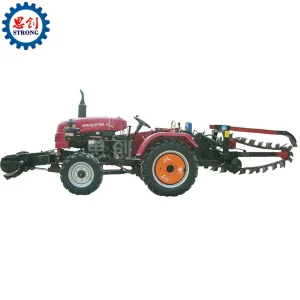
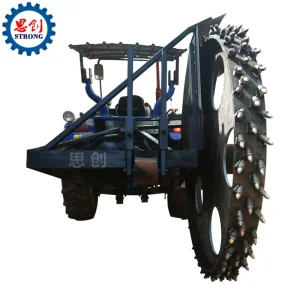
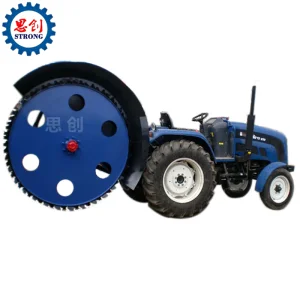
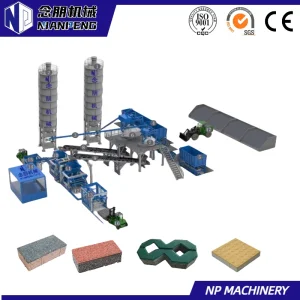
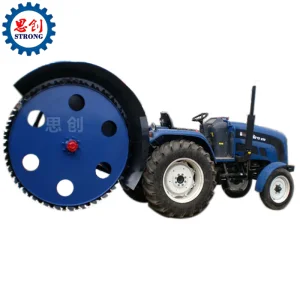
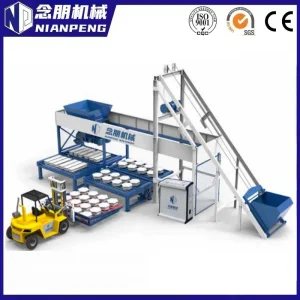
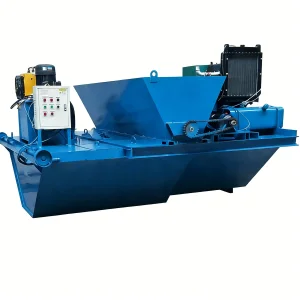
Deploying specialized heavy equipment tailored to the unique geological conditions of Namibian transport corridors. These top models are designed for fast installation and continuous concrete molding.
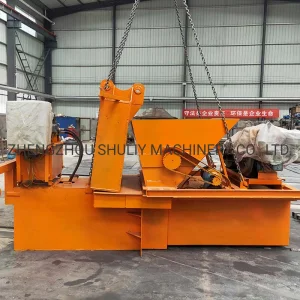
Namibia is rapidly positioning itself as the primary logistics hub for the Southern African Development Community (SADC) region. The national transport policy, anchored by Vision 2030, places heavy emphasis on the rehabilitation and modernization of its 2,682 km railway network managed by TransNamib. Critical corridors, including the Trans-Kalahari Railway linking Botswana's coalfields to the Port of Walvis Bay, and the Northern Railway Extension linking to Angola, require extensive earthwork and drainage infrastructure to ensure operational integrity.
The geography of Namibia poses unique engineering challenges. Arid desert climates are punctuated by intense, brief convective storms. These flash flood events can quickly wash out ballast beds and destabilize tracks if side drainage structures are insufficient. Traditional cast-in-place concrete methods fail to deliver the speed or the structural uniformity required for these remote, hostile environments. Highly automated railway side ditch forming machines have transitioned from optional machinery to essential logistical assets for primary contractors operating in the region.
High diurnal temperature swings (exceeding 30°C within 12 hours) cause severe thermal expansion and contraction in concrete. Our slipform technology integrates customizable joint-cutting mechanisms to prevent premature cracking. Additionally, the machinery utilizes specialized compaction systems to handle sandy, low-cohesion subgrades common to Namibian rail routes, ensuring the ditch foundation is stabilized during the continuous slipforming pour.
Deploying machinery along remote tracks near Gobabis, Karibib, or the southern routes towards Keetmanshoop demands machinery that is mechanically self-sufficient. MRECH machines feature robust mechanical layouts, simplified hydraulic circuits, and highly reliable diesel powertrains that withstand dust, high wind, and extreme heat without digital system faults.
Modern heavy rail and high-speed rail developments globally require standardized, long-lasting concrete structures. Rapid urbanization and massive investments in mineral export rail lines are shifting construction methods globally.
Operating out of Weifang City, Shandong Province—a global manufacturing hub—Weifang MRECH Machinery Co., Ltd. capitalizes on a deeply integrated industrial ecosystem to engineer reliable, highly cost-effective heavy road machinery.
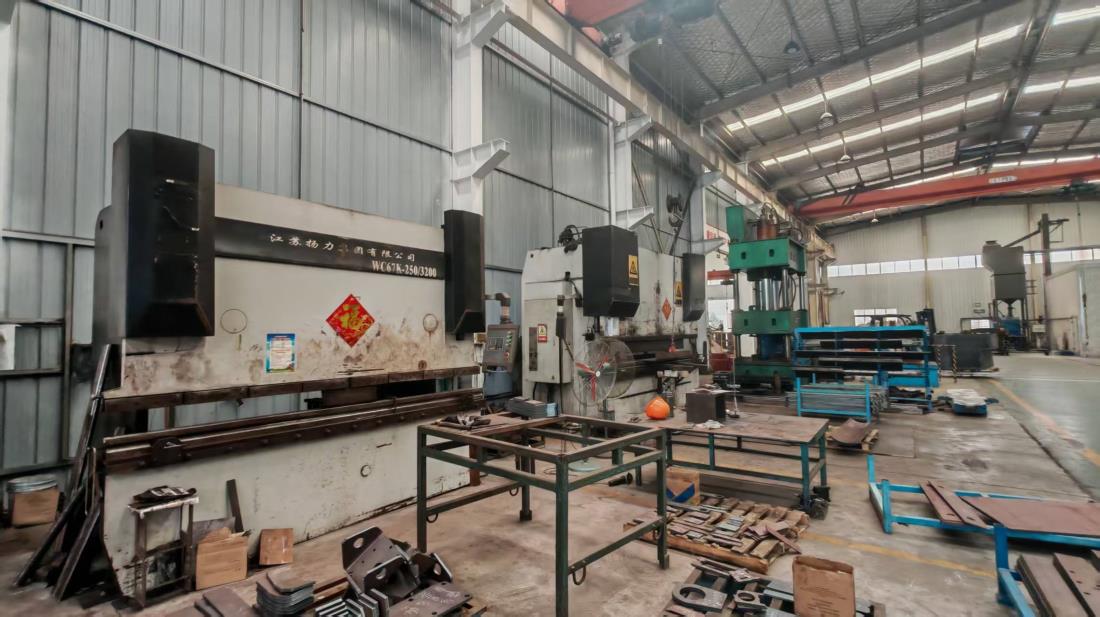
We source heavy-gauge structural steel directly from leading Chinese domestic mills, ensuring consistent tensile strength and durability. Our fabrication plant operates advanced CNC laser cutters, high-tonnage bending machines, and dynamic balancing equipment. This structural rigidity prevents frame warping, which is a common failure point for lighter machinery when handling thick concrete loads under extreme African heat.
By housing design, metal cutting, welding, hydraulic integration, and final operational calibration under a single management system, MRECH reduces production lead times by up to 35% compared to Western European machinery manufacturers. Our proximity to the Qingdao Port ensures direct, cost-efficient breakbulk or container shipping pathways straight to Walvis Bay, minimizing logistical delay.
Namibian construction projects demand specialized operating configurations. The interaction between extreme local environments and concrete chemistry requires specific machinery adaptions.
With daytime temperatures in the Namib desert exceeding 40°C, concrete sets rapidly. Our slipform ditch machines are optimized with dynamic vibration systems and adjustable augers that prevent aggregate segregation in low-slump concrete mixtures designed for hot arid zones.
The sandy soil along the Trans-Kalahari route provides poor support for narrow tracks. We design our self-propelled channel forming machines with wide crawler tracks or heavy-duty agricultural tires to distribute machine weight, avoiding deformation of the excavated ditch profile.
When working hundreds of kilometers away from Windhoek, mechanical downtime must be minimized. Our machines are built with highly standardized mechanical components and generic hydraulic fittings, allowing site mechanics to run rapid maintenance with local parts.
Weifang MRECH Machinery Co., Ltd. is strategically located in Weifang City, Shandong Province, China, a well-known manufacturing hub with a strong industrial foundation. We specialize in the research, development, production, and international export of road construction machinery and concrete forming equipment.
With years of industry experience, MRECH has become a trusted supplier of high-quality ditch forming machines, ditch lining machines, slipform pavers, curb and gutter machines, crash barrier machines, and other customized road construction solutions. Our equipment is widely used in highway construction, municipal engineering projects, farmland irrigation systems, drainage channels, water conservancy projects, and infrastructure development worldwide.
Our advanced slipform paving machines are capable of constructing above-ground concrete structures such as curbs, gutters, roadside barriers, retaining walls, and drainage channels. The multifunctional design of our equipment enables customers to complete multiple construction tasks with a single machine, significantly improving efficiency and reducing project costs.
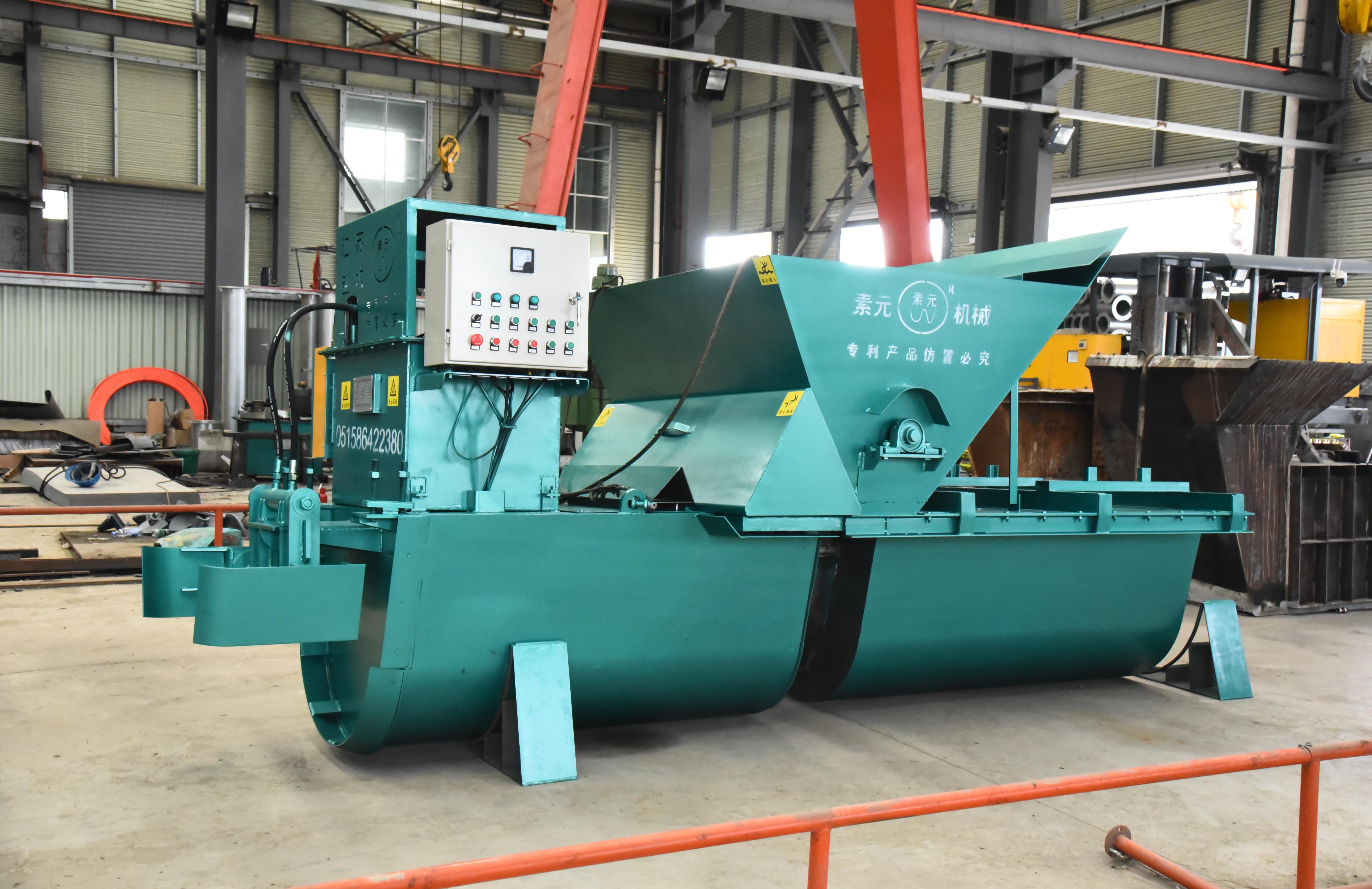
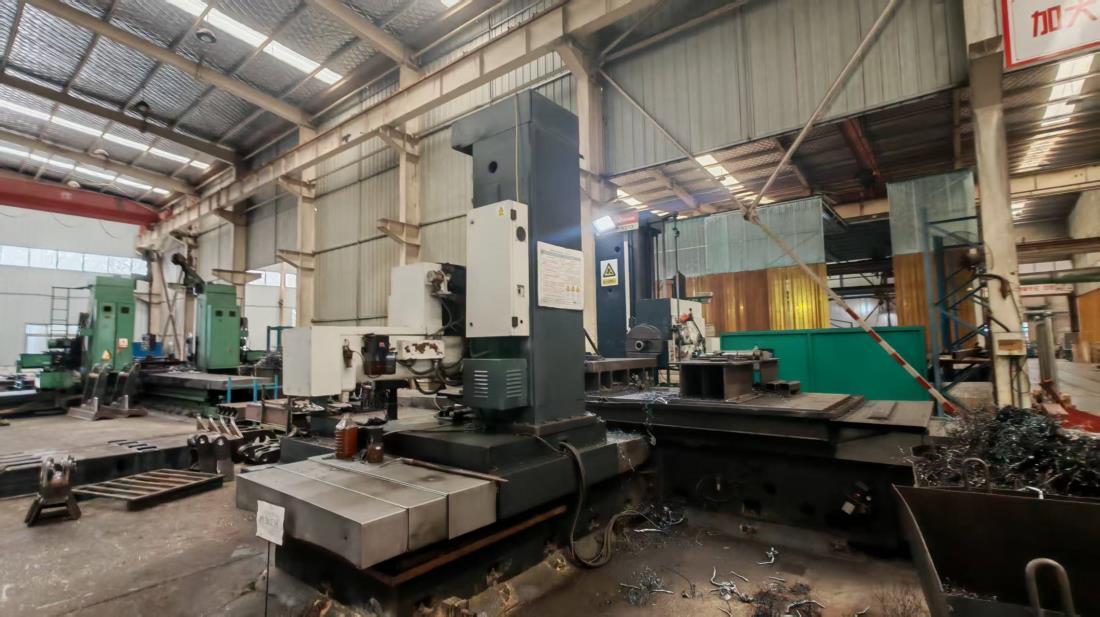
Our facility leverages industry-standard metalworking machines to maintain strict QC control over structural frames, molds, and mechanical subsystems. We continuously improve our products and services to meet international market standards and customer expectations.
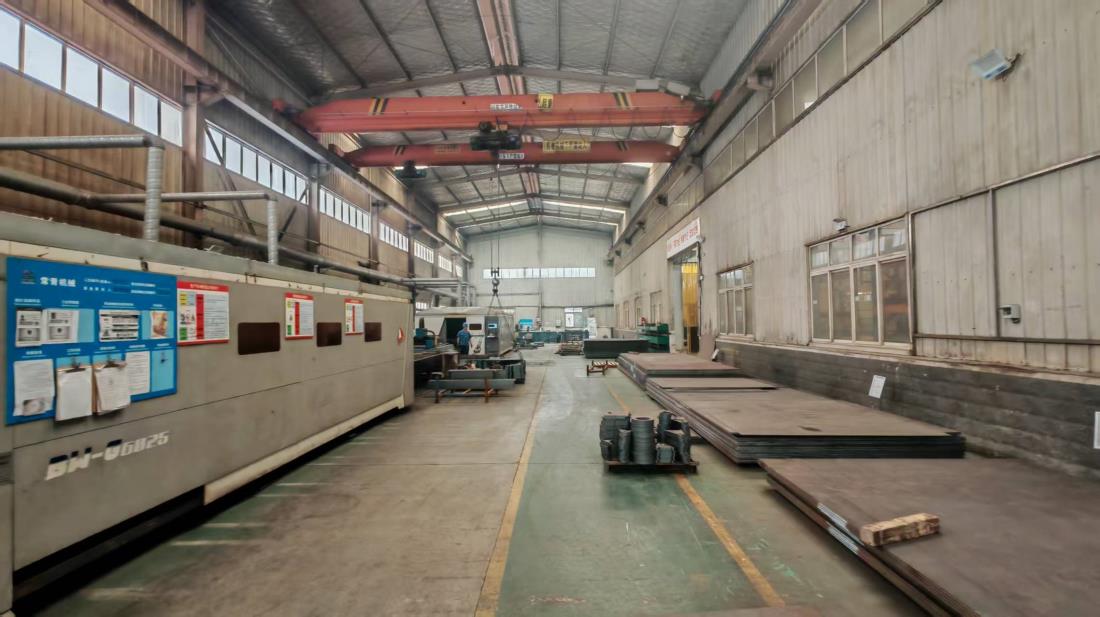
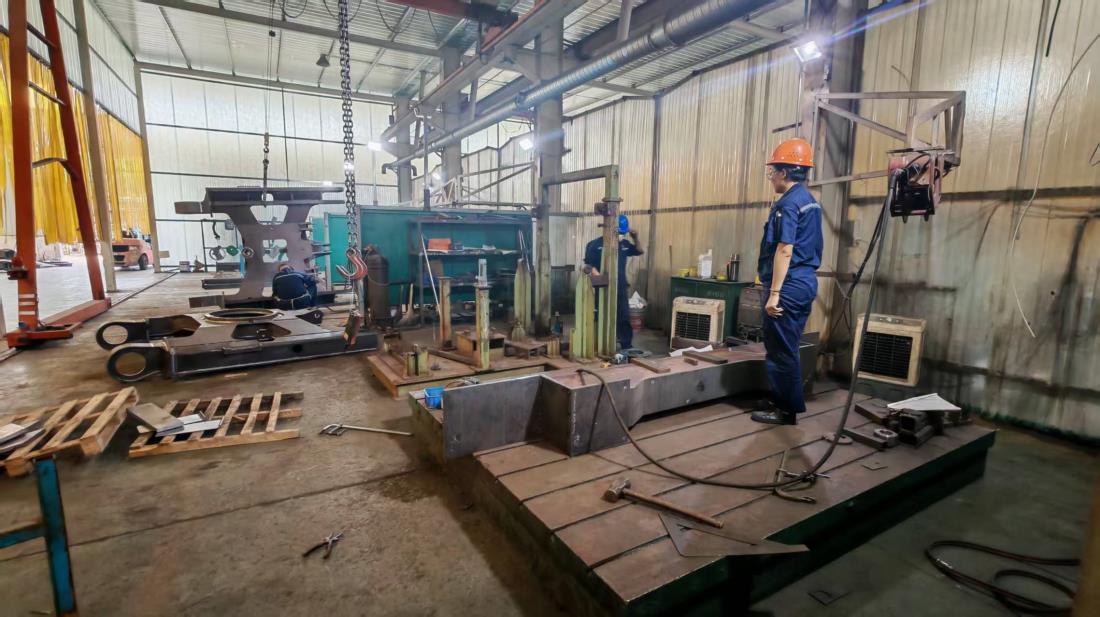
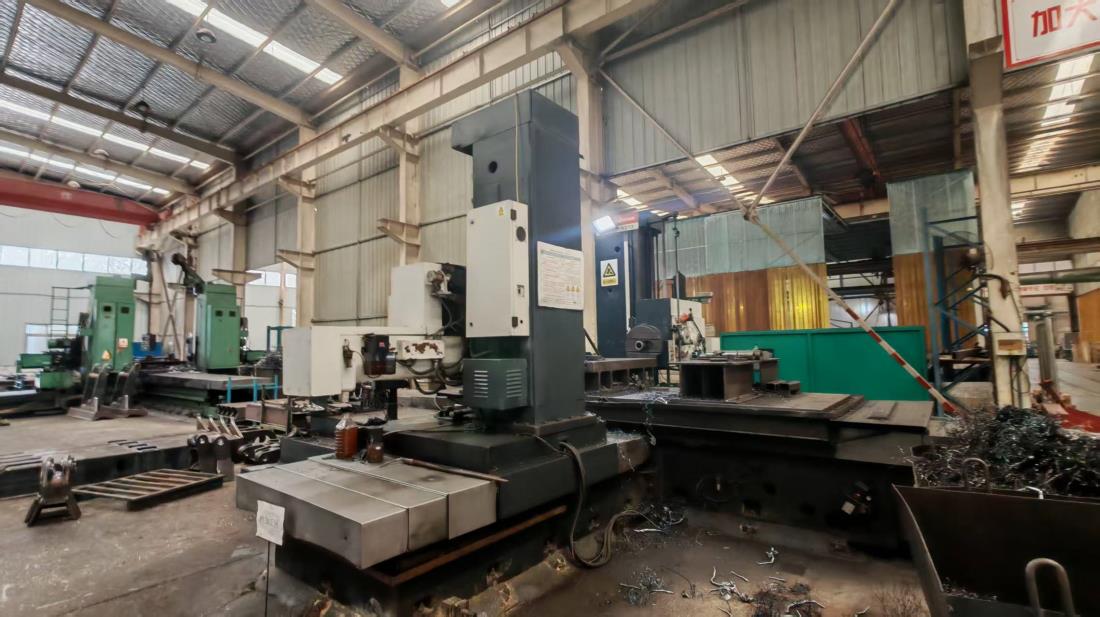
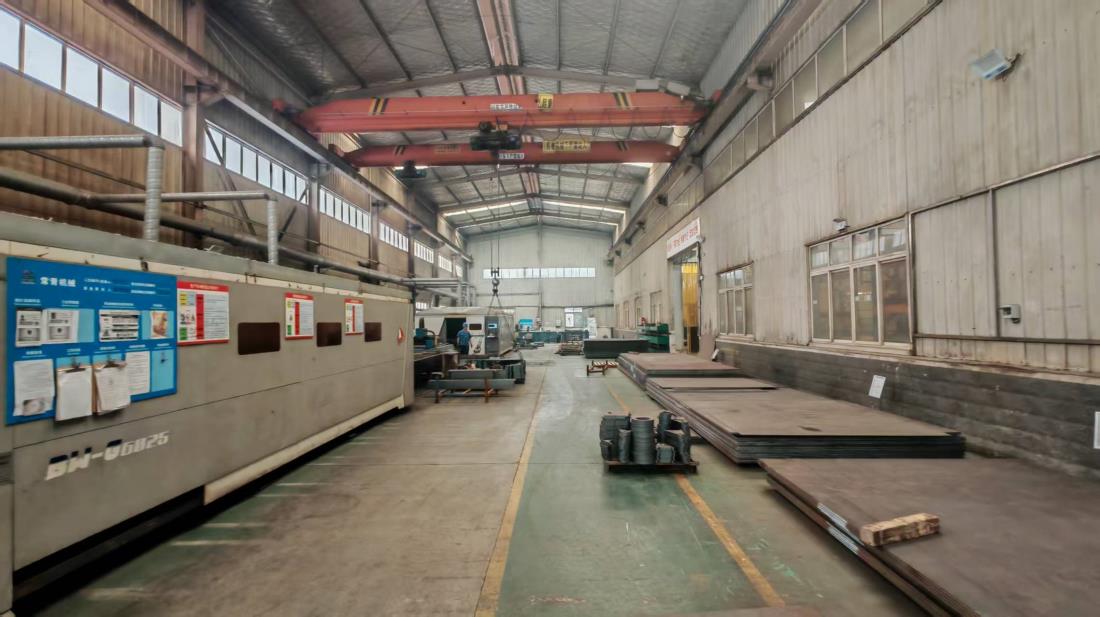
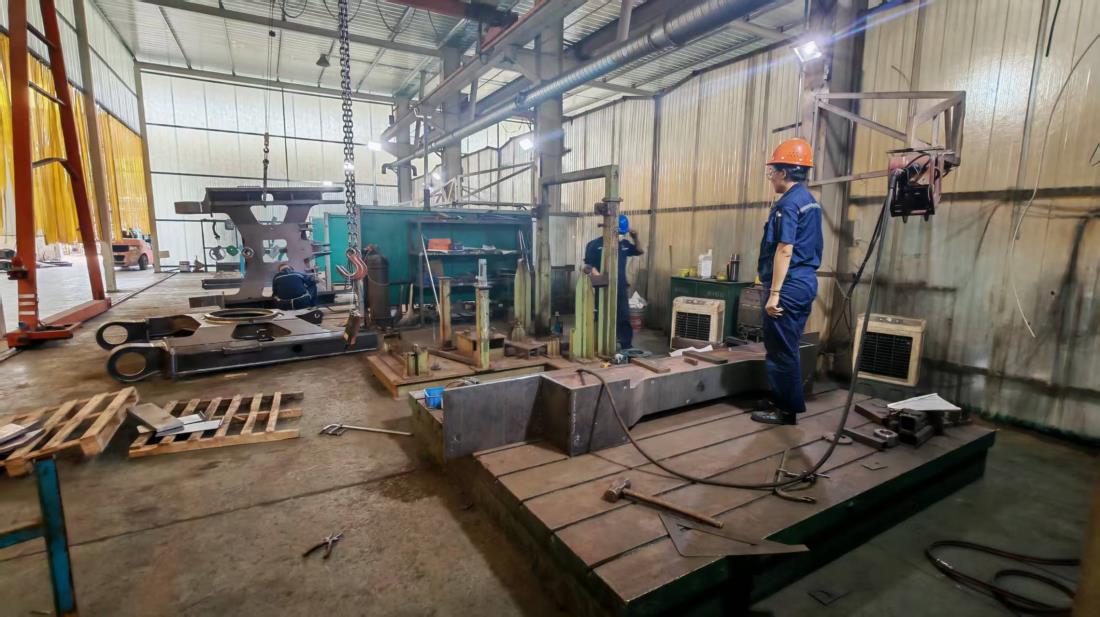
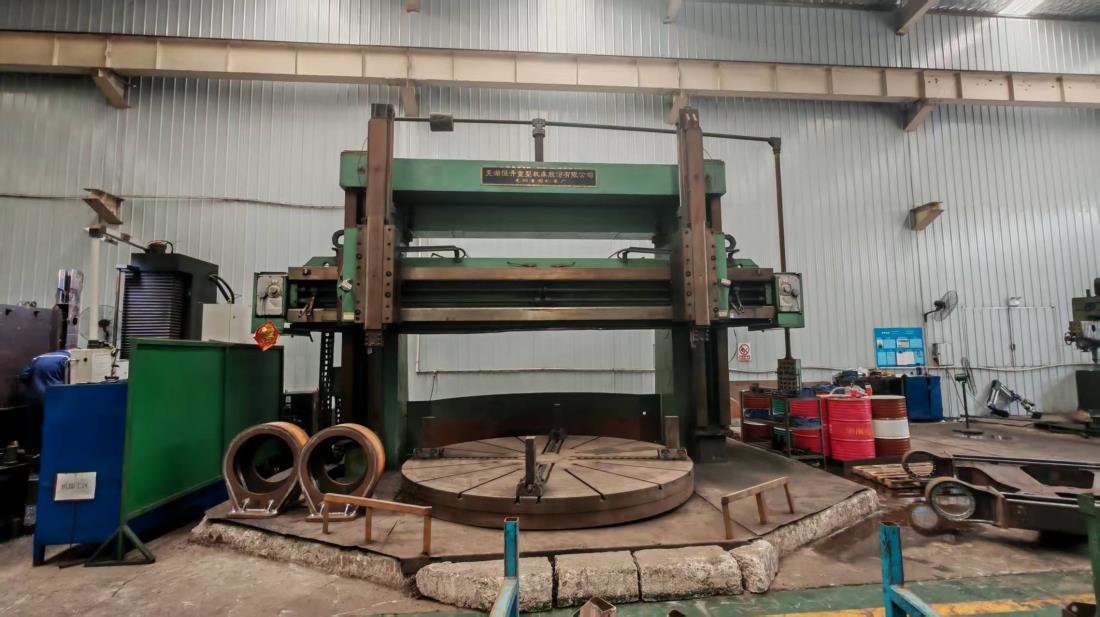
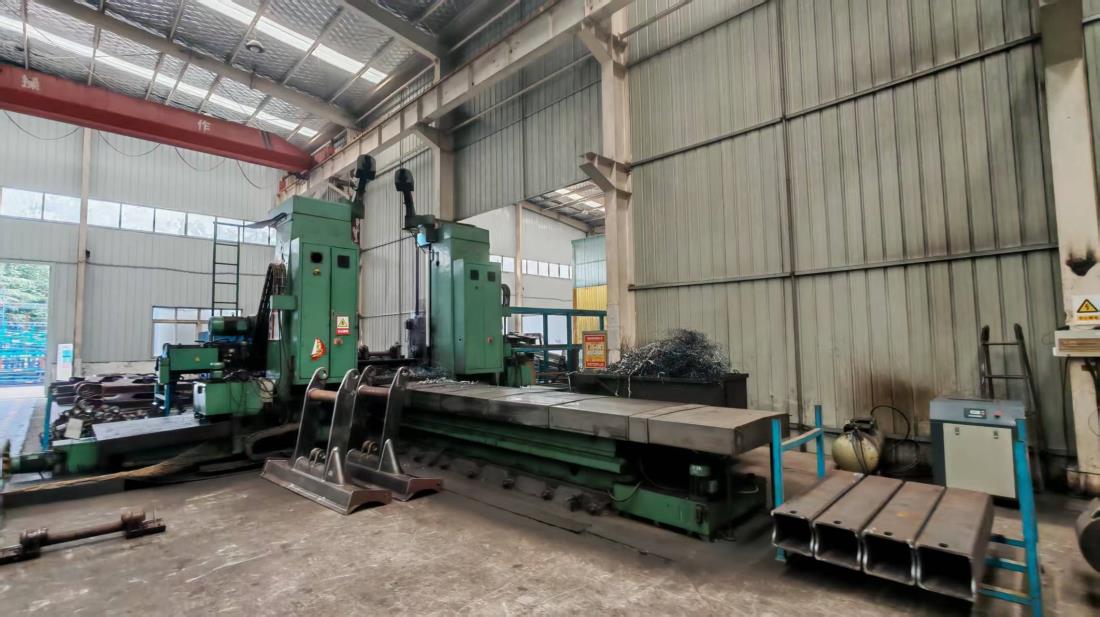
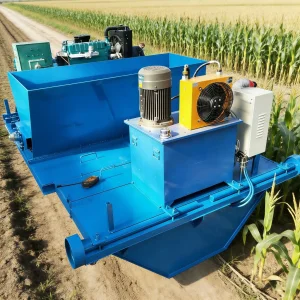
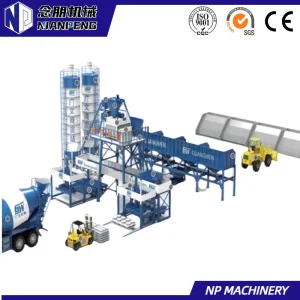
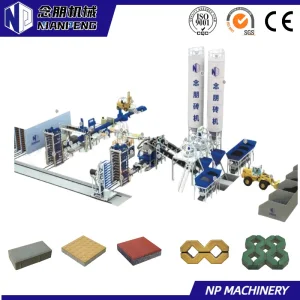
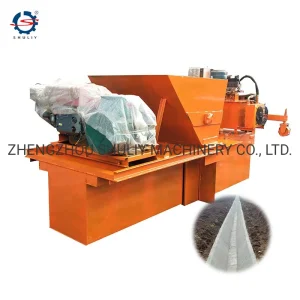
Explore our full line of concrete shaping, trenching, and block manufacturing systems designed to satisfy municipal and railway infrastructure bids across Namibia.
Our relationship with clients doesn't end at the port of discharge. MRECH supports projects throughout their operational lifespan with a structured service commitment.
Upon arrival of the machinery at Windhoek or directly at the rail campsite, our specialized engineers provide remote video assistance or direct on-site setup to calibrate the hydraulic systems and align the mold parameters.
We deliver intensive training modules covering concrete slump assessment, hydraulic speed regulation, daily cleaning procedures for the auger box, and emergency shut-off recovery protocols to local operating crews.
Critical high-wear components (auger flighting, concrete vibrator heads, compaction molds) are cataloged and stocked at our manufacturing facility for priority air freight dispatch to Namibia, ensuring minimal site delays.
Detailed, engineering-focused answers regarding site preparation, concrete mixes, machine maintenance, and purchasing parameters.
 MRECH Machinery