Hydraulic systems are crucial in the efficient operation of ditch pavers. They ensure that these machines perform tasks like grading and paving seamlessly. However, failures in these systems can lead to costly downtime and project delays. Knowing how to troubleshoot hydraulic system failure in a ditch paver is vital for any operator or maintenance technician.
Operators may face various issues, such as uneven paving or sudden loss of power. Identifying the root cause of these problems can be challenging. Often, it requires a systematic approach involving inspection and testing of hydraulic components. Many operators overlook simple issues like leaks or low fluid levels. Addressing these issues can lead to quick resolutions, but deeper problems may require more in-depth analysis.
Understanding hydraulic schematics and mastering troubleshooting techniques can enhance reliability. Experience plays a significant role in recognizing the subtle signs of trouble. Moreover, being well-versed in this area elevates an operator’s skillset. Yet, it’s crucial to reflect on past mistakes to improve future performance. Keeping detailed maintenance records can also aid in diagnosing recurring issues. This proactive approach is essential for minimizing unexpected failures.
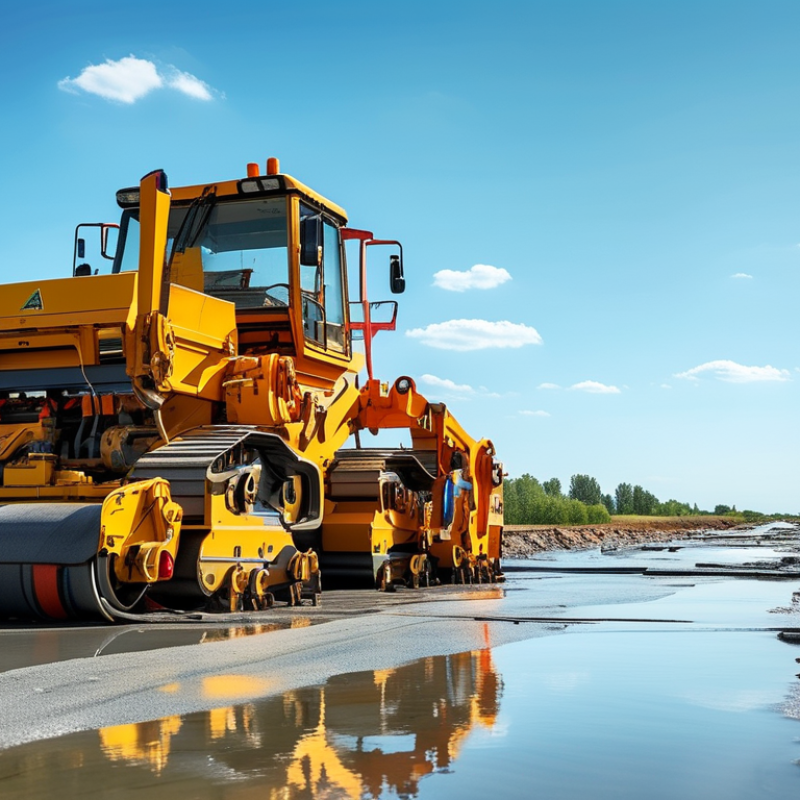
Hydraulic systems are crucial in ditch pavers. Understanding these components helps ensure optimal performance. Key parts include pumps, hoses, cylinders, and valves. Each plays a specific role in controlling movement and force. A malfunction in one component can hinder the entire system. For instance, a damaged hose may cause fluid leaks, leading to decreased pressure.
When troubleshooting, always check for signs of wear or damage. Inspect hoses for cracks and leaks. Ensure connections are tight. Look for any unusual noises from the pump. These sounds may indicate internal issues. Addressing small problems early can prevent costly repairs.
**Tips**: Regular maintenance is vital. Change the hydraulic fluid as recommended. Clean filters to avoid clogging. Stay observant; small changes can signal bigger issues. Remember, even an experienced operator can overlook basic checks. Keep a log of maintenance tasks to track performance. This can help identify patterns over time, improving reliability.
| Component | Common Issues | Symptoms | Possible Solutions |
|---|---|---|---|
| Hydraulic Pump | Reduced pressure output | Slow operation, noise | Check for blockage, replace if necessary |
| Hydraulic Cylinder | Leaking fluid | Visible fluid puddles, loss of force | Inspect seals, replace cylinder if damaged |
| Hoses & Fittings | Cracks or wear | Fluid leaks, reduced efficiency | Replace hoses or fittings as needed |
| Hydraulic Reservoir | Low fluid levels | Inconsistent operation, overheating | Refill with appropriate fluid, check for leaks |
| Control Valves | Sticking or malfunctioning | Unresponsive controls, erratic movement | Clean or replace valves |
: Over 70% of failures come from contamination. Regular checking of filters is crucial.
Ensure it meets manufacturer specifications and is clean. Contaminated fluid decreases performance.
Small leaks in hoses can lead to significant pressure loss. Regular checks can prevent larger issues.
Fluctuations may indicate leaks or blockages. Be careful not to misinterpret these readings.
Inadequate maintenance contributes to 30% of failures. Regular checks can extend system lifespan.
Maintain a level of ISO 4406 18/16/13 for better reliability. Regular filtration is essential.
Proper training prevents operator errors. Continuous learning promotes better maintenance practices.
High-quality filters keep contaminants out. Investing in better filters pays off over time.
Yes, simple tasks like checking fluid levels can prevent major failures and expensive repairs.
Many overlook small leaks until they cause total system failure. Regular inspections are vital.
The article "Troubleshooting Hydraulic System Failures in Ditch Pavers Guide" provides essential insights into how to troubleshoot hydraulic system failure in a ditch paver. It begins by outlining the key components of hydraulic systems, enabling operators to understand how each part contributes to overall functionality. Common hydraulic failures, such as leaks and pressure drops, are discussed alongside their symptoms to help identify issues quickly.
Further, the guide offers step-by-step diagnostic procedures for addressing hydraulic system problems, ensuring that users can systematically pinpoint the root causes of failures. The impact of maintenance practices on hydraulic system performance is also emphasized, highlighting that regular upkeep can prevent many common issues. Lastly, the article touches upon industry standards for hydraulic fluid management, reinforcing the importance of using the right fluids to maintain system integrity. This comprehensive approach serves as a valuable resource for both new and experienced operators of ditch pavers.

 MRECH Machinery