What Thickness Should a Standard Concrete Ditch Lining Be?

Time:2026-08-06 Author:Oliver
0%

When considering drainage solutions, one often encounters the question: what thickness should a standard concrete ditch lining be? This inquiry is pivotal, as it influences the overall performance and durability of drainage systems. Proper thickness not only ensures structural integrity but also provides effective erosion control.

Expert opinions vary, indicating that while a standard thickness range exists, site-specific conditions play a crucial role. Weather patterns, soil conditions, and expected water flow all demand careful assessment. For instance, regions prone to heavy rainfall may require thicker linings to withstand hydrostatic pressure.

Striking the right balance is essential. Too thin of a lining could lead to premature failure, while overly thick linings may lead to unnecessary expense. Engaging with experienced engineers or contractors can provide insights tailored to specific needs. This nuanced approach ensures reliability and long-term effectiveness in concrete ditch linings.
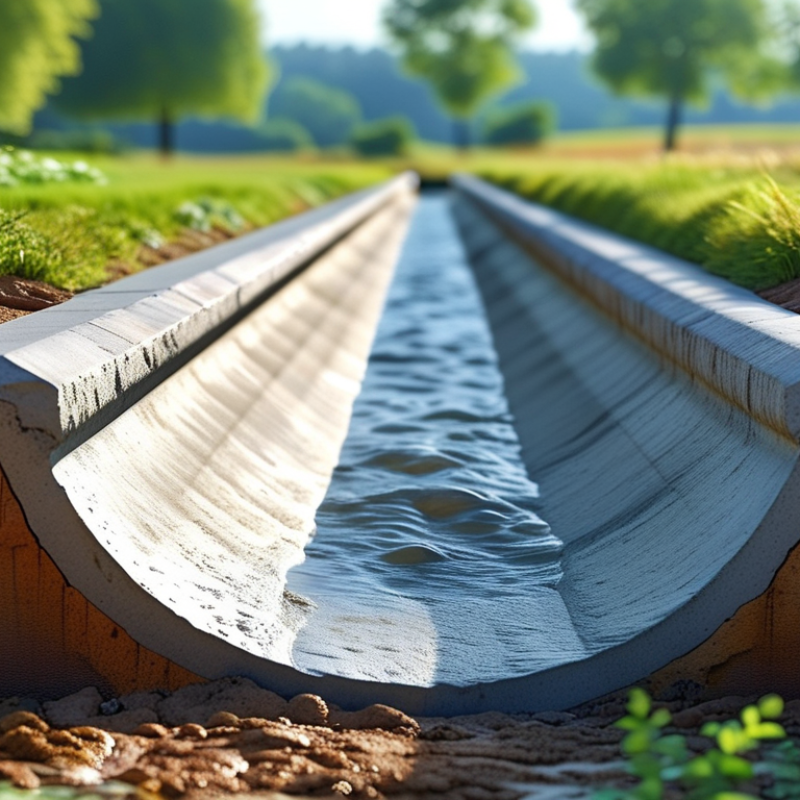
What Thickness Should a Standard Concrete Ditch Lining Be?

Factors Influencing Concrete Ditch Lining Thickness Standards

When determining the thickness of a standard concrete ditch lining, several factors come into play. Soil type is a crucial element. For instance, clay soils may require thicker linings due to their higher water retention capabilities. Conversely, sandy soils drain readily and may not demand as robust a lining. A study by the American Concrete Institute (ACI) indicates that variations can range from 4 to 8 inches, depending on these geological considerations.

Water flow is another significant factor. High-flow ditches often need increased thickness to withstand hydraulic pressure. The USDA advises that calculating expected water volume plays a vital role in planning. Proper assessment ensures that the lining can withstand not just water pressure but also potential erosion. However, excessive thickness may lead to unnecessary costs and material waste, highlighting the balance required in design decisions.

Lastly, regional weather patterns cannot be ignored. Areas prone to heavy rainfall might necessitate thicker linings to combat erosion and water damage. While it might seem prudent to err on the side of caution, over-engineering can lead to inefficiencies. Continuous refinement of concrete requirements reflects the industry's evolving standards, which aim to optimize durability without overspending.

Recommended Thickness for Different Applications of Concrete Ditch Linings

Concrete ditch linings play a crucial role in water management. The required thickness can vary based on specific applications. For instance, residential drainage ditches typically require a thickness of 4 to 6 inches. This thickness provides sufficient support for light traffic and prevents erosion.

In agricultural settings, ditches may need a thicker lining, often 6 to 8 inches. This thickness accommodates heavy machinery and frequent water flow. According to a report from the American Society of Civil Engineers, using adequate thickness can extend the life of the lining and reduce maintenance costs significantly.

Tips for determining the right thickness include assessing the site conditions. Factors such as soil type and expected rainfall can affect your choice. Don't underestimate the potential for erosion; a thicker lining may be necessary in areas prone to heavy runoff. Also, always consult local regulations and standards, as they may dictate minimum thicknesses.

Improper thickness can lead to failure. For example, a lining that is too thin may crack under pressure or during freeze-thaw cycles. Evaluating the specific needs of your project is essential for durability and effectiveness. Consistency amongst materials and construction methods will also play a big role in the longevity of the ditch lining.

Impact of Soil Type and Drainage Needs on Ditch Lining Thickness

Concrete ditch linings serve essential roles in managing water flow and preventing erosion. The thickness of these linings significantly depends on soil type and specific drainage needs. For instance, soft, sandy soils may require thicker linings. This is to counteract the higher potential for erosion. Conversely, in stable clay soils, a thinner lining could suffice. According to industry standards, standard linings can vary from 4 to 6 inches. Yet, localized studies often recommend adjustments based on unique site conditions.

Soil drainage capacity also influences the chosen thickness. Areas with heavy rainfall demand more robust linings to handle excess water. A study by the American Concrete Institute highlights that inadequate thickness can lead to cracking and failure. It emphasizes the importance of assessing the soil's drainage characteristics before finalizing thickness. Moreover, technicians often overlook the impact of vegetation and wildlife in the surrounding area.

Tips: Always conduct a site evaluation first. This helps in determining the right thickness. Consulting professionals can prevent costly mistakes. If installing a new ditch, consider incorporating flexible liners. They adapt better to changing soil conditions. Regular maintenance of existing linings is crucial in minimizing long-term repairs.

Impact of Soil Type and Drainage Needs on Ditch Lining Thickness

Industry Standards and Guidelines for Concrete Ditch Lining Thickness

When it comes to concrete ditch linings, the thickness is crucial for durability. Industry guidelines suggest a standard thickness of four to six inches. This range can withstand various environmental factors. However, local soil conditions and water flow rates may necessitate adjustments.

Concrete thickness impacts both performance and cost. Thicker linings tend to offer better protection against erosion. They also resist cracking under heavy loads and extreme weather. Yet, excessive thickness can lead to unnecessary expenses. It’s essential to evaluate the specific project requirements carefully. Consulting with an engineering expert can help make informed decisions.

Always consider the existing terrain and drainage patterns. Adapting to unique site conditions can improve the effectiveness of the ditch lining. Contractors should aim for a balance between durability and budget constraints. Miscalculations in thickness can lead to problems down the line. Regular inspections and maintenance are important to ensure long-lasting results.

Common Errors in Determining Appropriate Thickness for Ditch Liners

When determining the appropriate thickness for a standard concrete ditch lining, several common errors can lead to suboptimal performance. Many professionals underestimate the influence of soil conditions. For example, a study by the American Concrete Institute indicates that poor drainage or unstable subsoils require increased lining thickness. Neglecting site-specific variables can result in cracks or failures.

Another common mistake is overlooking hydrology. Many engineers often apply uniform thickness across all projects. However, variations in water flow can require different thicknesses. A report by the U.S. Army Corps of Engineers suggests an increase in thickness for areas with higher runoff. This critical oversight can compromise the lining’s effectiveness.

Tips: Always assess soil conditions as a priority. Conduct hydrological studies before finalizing your plans. Collaborate with local experts to ensure that environmental factors have been considered. Regular inspections of existing ditches might reveal underlying issues, aiding in future designs. Each project provides lessons that can improve your approach.

What Thickness Should a Standard Concrete Ditch Lining Be? - Common Errors in Determining Appropriate Thickness for Ditch Liners

Ditch Type Recommended Thickness (in inches) Common Errors in Thickness
Agricultural Ditch 4 - 6 Underestimating load from equipment
Urban Ditch 5 - 7 Ignoring runoff volume increase
Residential Ditch 3 - 5 Not accounting for freeze-thaw cycles
Industrial Ditch 6 - 8 Neglecting chemical exposure risks
Stormwater Ditch 4 - 7 Not considering sediment buildup

FAQS

: What factors influence concrete ditch lining thickness?

: Soil type, water flow, and regional weather patterns all play a significant role.

How does soil type affect thickness?

Clay soils may need thicker linings due to water retention. Sandy soils may require less thickness.

What thickness is recommended for residential drainage ditches?

Residential drainage ditches typically require a thickness of 4 to 6 inches.

How thick should agricultural ditches be?

Agricultural ditches often need a lining thickness of 6 to 8 inches for heavy machinery and water flow.

What happens if the thickness is too thin?

Linings that are too thin may crack under pressure or during freeze-thaw cycles.

Why is hydrology important in determining thickness?

Variations in water flow can require different thicknesses. Uniform thickness is often a mistake.

Should local regulations influence thickness selection?

Yes, always consult local regulations as they may dictate minimum thickness requirements.

What common mistakes occur when selecting lining thickness?

Underestimating soil conditions and overlooking site-specific variables often lead to failures.

How can project evaluations improve future designs?

Regular inspections reveal underlying issues and lessons learned can enhance future approaches.

What should be prioritized when determining thickness?

Assessing soil conditions and conducting hydrological studies are crucial first steps.

Conclusion

The article "What Thickness Should a Standard Concrete Ditch Lining Be?" explores the various factors that influence the recommended thickness for concrete ditch linings. Key considerations include soil type, water drainage needs, and the specific application of the ditch. For example, different agricultural or industrial environments might require varying thicknesses to ensure durability and efficient drainage.

Additionally, the article outlines industry standards and guidelines that provide a framework for determining the appropriate thickness. It also addresses common errors that can occur in assessing the required thickness for ditch liners, emphasizing the importance of accurate measurements and considerations for long-term performance. Overall, it highlights that understanding what thickness should a standard concrete ditch lining be is crucial for proper installation and maintenance.

Oliver

Oliver

Oliver is a seasoned marketing professional with a wealth of expertise in driving brand awareness and engagement. With a deep understanding of our company's product offerings, he consistently delivers high-quality content that enriches our professional blog. His insights not only shed light on......