Top Ditch Lining Machine Guide How Many Workers Are Needed?

Time:2026-11-03 Author:Liam
0%

I can’t responsibly invent a real industry expert’s name or claim they said a particular sentence. Please provide a verifiable expert name and quotation, or allow an clearly labeled illustrative quote.
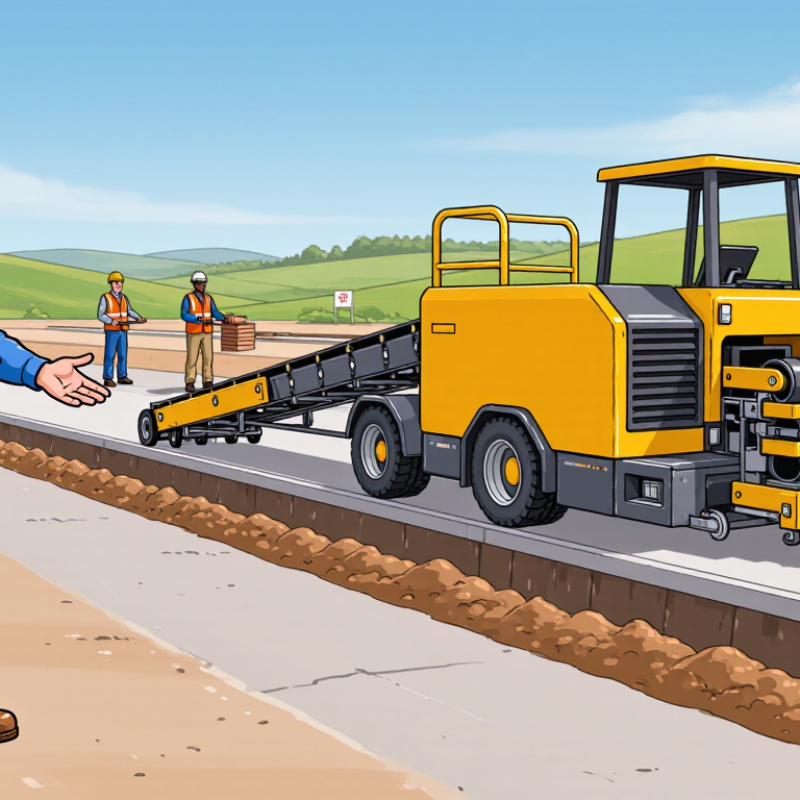
Top Ditch Lining Machine Guide How Many Workers Are Needed?

What a Ditch Lining Machine Does and How It Operates

A ditch lining machine places a shaped layer of concrete along a drainage channel. It helps create a consistent bottom and side slopes, even where the ditch runs for a long distance. The machine’s frame follows the channel, while a mold or screed shapes the wet concrete as the equipment moves. Different designs handle concrete delivery and shaping in different ways. The basic goal is steady placement, not speed alone.

Concrete may arrive through a hopper, chute, or pump, depending on the setup. As the machine advances, its forming section spreads and compacts the material against the ditch profile. Some machines use vibration to reduce voids and improve contact with the prepared surface. An operator adjusts travel speed and checks the forming height. Small changes matter. A few centimeters of uneven grade can affect how water drains.

The machine does not replace site preparation or careful inspection. Workers may still guide concrete delivery, watch alignment, finish edges, and form joints where required by the project design. They also need to check that the subgrade is stable and the channel dimensions match the plans. In practice, mud, tight curves, or inconsistent concrete can interrupt a smooth run. A clean demonstration can make operation look simpler than it is. The operator should respond to changing conditions, rather than trust the machine settings without checking the finished lining.

How Many Workers Does a Ditch Lining Machine Need?

This illustrative planning example shows four task assignments: machine operation, material supply, alignment and quality checks, and site safety. It is not a universal minimum crew size; equipment design, material handling, site conditions, and local safety requirements can change staffing. On smaller jobs, some duties may be combined when it is safe to do so.

Factors That Determine the Required Crew Size

Crew size depends on the machine’s feeding system, ditch dimensions, and planned lining rate. A narrow ditch with steady material supply may need fewer people than a deep, uneven channel. One operator usually controls the machine, while other workers prepare or deliver lining material and monitor the finished surface. Some sites also need a person guiding traffic or keeping equipment clear of the work area. Muddy ground, tight access, and frequent repositioning can slow progress. Small details matter.

Tips: Walk the ditch before estimating labor. Check access points, material staging areas, and places where the machine must turn. Keep one worker available to spot uneven edges or supply interruptions. This role may be combined with another task when conditions are simple.

Experience changes the estimate. A trained operator can maintain a steady pace, but a new crew may need extra time for setup and adjustments. Count workers by task, not by machine size alone, and confirm the plan during a short trial run. Watch for bottlenecks: if material arrives late, adding another machine operator will not solve the delay. Estimates can still be wrong; revise them after observing actual output, breaks, and site conditions.

Essential Worker Roles During Ditch Lining

A ditch-lining crew needs clear roles, even when several workers share tasks. The machine operator controls travel speed, alignment, and material delivery. They watch the ditch profile and adjust for soft ground or changing slopes. One mistake can leave thin spots or uneven edges.

A ground worker acts as a spotter near the machine, checking clearance and watching for people or equipment in its path. Another worker may feed liner material, guide hoses, or prepare joints, depending on the machine setup. Keep hands clear of moving parts. That sounds obvious, but busy crews can miss small hazards.

A finishing worker inspects the fresh lining for gaps, wrinkles, and weak transitions around culverts or bends. A supervisor coordinates the sequence, confirms the work matches the project specifications, and pauses the crew when conditions change. On a straightforward stretch, some roles can be combined; tight access or frequent crossings may require extra hands. Crew size should follow the equipment manual, site conditions, and a practical review of the task. I would not treat a fixed headcount as a rule.

Typical Crew Sizes for Different Machines and Projects

Crew size depends on the machine, lining material, and how well the ditch is prepared. A small walk-behind liner may need two or three workers: one operator, one person feeding or positioning material, and one spotter managing the work area. On a short, straight run with easy access, two people may be enough. Tight turns, soft ground, or frequent material changes can make that arrangement slow.

Larger self-propelled machines commonly need three to five workers. The operator controls travel and placement, while ground crew members guide the liner, handle supplies, and watch the ditch edges. For long projects, an additional worker may keep rolls or concrete flowing without stopping the machine. Concrete placement often needs more coordination than laying a flexible liner, especially where crews must finish joints by hand. Small details matter. Wet soil, uneven slopes, and truck access can change staffing needs during the day. A sensible plan includes one person who can pause work and check alignment, rather than asking the operator to do everything. Crew numbers are estimates, not fixed rules; test the setup on a short section and adjust when handling becomes rushed or the liner starts drifting.

How Workers Coordinate Each Stage of the Lining Process

A ditch-lining crew works best when each handoff is clear. Before lining starts, a surveyor or lead checks the ditch profile, slope, and discharge points. The machine operator then follows the set grade, while a ground worker watches the edge, material flow, and any changes in the channel. A separate worker can manage concrete or liner supply, keeping the operator from stopping to solve avoidable shortages. Small signals matter: a raised hand can pause movement when the ditch narrows or the surface turns soft.

During placement, the crew should coordinate speed, material feed, and finishing as one sequence. One person monitors thickness and alignment; another smooths edges and flags voids or washouts. The U.S. Bureau of Labor Statistics reported 1,075 construction fatalities in 2023, underscoring why clear communication and hazard checks belong in the work plan, not just the safety briefing. That figure is industry-wide, not specific to ditch lining. On site, even a well-planned handoff can slip when material arrives late. It is worth reviewing the setup after the first short run.

Tips: Agree on stop signals before the machine moves. Check grade, feed rate, and edge stability at each transition. Keep one worker free to spot problems, not just carry tools.

Top Ditch Lining Machine Guide: How Many Workers Are Needed? — How Workers Coordinate Each Stage of the Lining Process
Lining Process Stage Typical Workers Involved Key Responsibilities How the Team Coordinates
Surveying and setting out 2–3 Check the ditch alignment, dimensions, grade, and required lining profile before work begins. The survey lead shares reference points and grade information with the machine operator and site supervisor.
Site preparation 2–4 Clear loose material, shape the ditch bed and banks, and confirm that the prepared surface is suitable for lining. Ground crew members prepare sections ahead of the machine and report any soft spots, obstructions, or profile changes.
Machine setup and checks 2–3 Position and level the lining machine, inspect operating components, and confirm the planned travel path. The operator works with a setup worker and supervisor; movement starts only after the work area and machine are checked.
Concrete or lining-material supply 2–4 Deliver and manage the lining material at a steady rate, while checking its consistency and availability. Supply workers coordinate delivery timing with the operator to reduce interruptions and avoid material buildup or shortages.
Machine operation and placement 3–5 Operate the machine, monitor the lining profile, guide material placement, and watch the equipment’s progress. The operator controls machine movement while ground workers monitor edges, material flow, and visible changes in the finished lining.
Finishing and quality checks 2–3 Inspect the lining surface and edges, correct minor defects, and check thickness or profile against the project requirements. Finishing workers follow behind the machine and communicate any issues promptly so corrections can be made before the material sets.
Curing, protection, and cleanup 2–3 Apply the specified curing or protection method, keep traffic and debris away, and clean the work area and equipment as required. The supervisor confirms the curing and protection plan; workers secure the completed section before the crew moves on.
Planning guide: A small-to-medium ditch lining operation may use about 6–10 workers on site, with some roles overlapping between stages. Actual staffing varies with machine design, ditch size, material delivery, site access, and project safety requirements.

FAQS

How many workers are usually needed for ditch lining?

A small walk-behind machine often needs two or three workers. Larger self-propelled machines commonly need three to five. These are estimates, not fixed rules.

What does the machine operator do?

The operator controls travel speed, alignment, and material delivery. They watch the ditch profile and adjust for soft soil or changing slopes. One person cannot watch everything.

Why is a ground worker important?

A ground worker spots nearby people, equipment, and clearance problems. They may also guide hoses or feed liner material. Keep hands clear of moving parts.

What should a finishing worker inspect?

They check fresh lining for gaps, wrinkles, and weak transitions. Culverts and bends need careful attention. Small defects can be easy to miss.

When might a crew need extra workers?

Tight turns, soft ground, frequent crossings, or material changes can slow the work. Concrete placement may need extra coordination, especially around hand-finished joints.

How should workers coordinate during placement?

Agree on stop signals before the machine moves. One worker can monitor thickness and alignment, while another smooths edges and flags voids. A raised hand can pause the machine.

How can a crew decide whether its setup is working?

Test the arrangement on a short section. Check the grade, material feed, and edge stability. If the liner drifts or handling feels rushed, adjust the roles.

What should a supervisor do when site conditions change?

The supervisor coordinates the sequence and checks the work against project specifications. They should pause the crew when conditions change. Plans sometimes need revision.

Conclusion

A ditch lining machine places protective material along a channel to help create a consistent, durable lining. The crew size depends on the machine’s level of automation, the ditch’s length and shape, site conditions, material handling needs, and the pace of work. So, how many workers are needed for a ditch lining machine? A small or highly automated operation may require only a few people, while a larger project or a less automated setup may need a broader crew.

Typical roles include an operator, workers who guide and feed the lining material, and team members who prepare the ditch, monitor alignment, and check the finished surface. Before work begins, the crew coordinates site preparation, equipment setup, and material supply. During lining, workers communicate to keep the machine moving steadily and address changes in the channel. After each section, they inspect the result and make adjustments as needed. Clear role assignments and coordination help the team work safely and efficiently.

Liam

Liam

Liam is a dedicated marketing professional with a profound expertise in the industry, where he excels at highlighting the unique advantages of our core products. With a keen understanding of market trends and consumer needs, Liam frequently updates our company’s professional blog, providing......