Agricultural drainage is crucial for healthy crop production. Choosing the right drainage system can significantly impact water management. Farmers often overlook the advantages of a V shape ditch. But why choose a V shape ditch for agricultural drainage?
This design allows for efficient water flow and reduces the risk of erosion. The V shape directs excess water seamlessly, enhancing drainage capacity. Farmers have noted improved soil health and crop yields after implementing this system. However, some may hesitate due to initial installation costs. It’s essential to evaluate long-term benefits against upfront expenses.
Additionally, V shape ditches can be more challenging to maintain compared to traditional methods. Regular monitoring and upkeep are necessary to ensure they function optimally. Reflecting on these aspects can help farmers make informed decisions. Understanding both pros and cons of a V shape ditch is crucial for effective agricultural drainage planning.
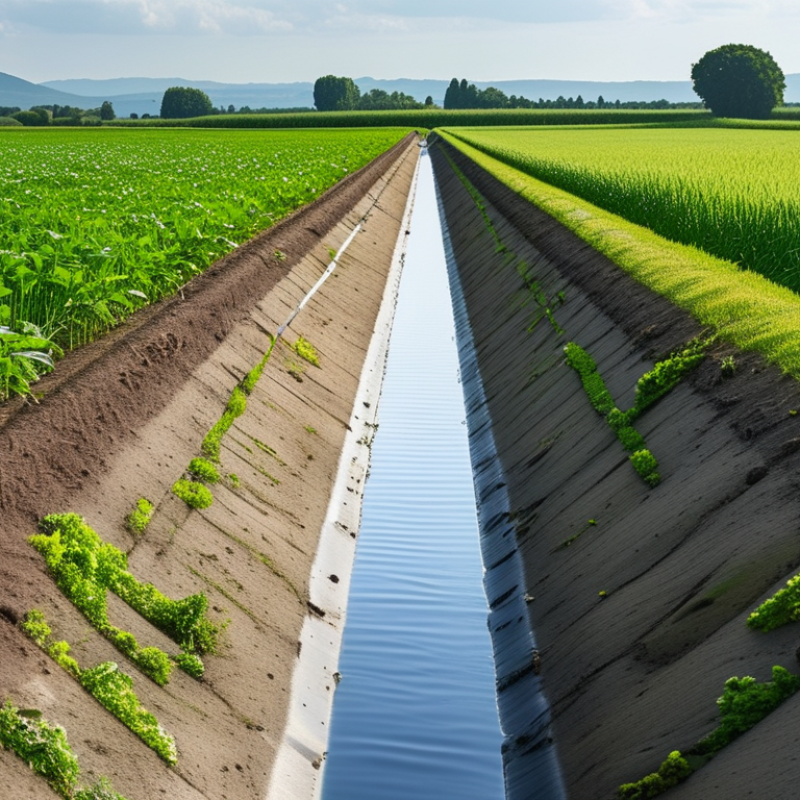
Agricultural drainage is vital for improving crop yields and soil health. Proper drainage reduces waterlogging, which can suffocate roots and promote disease. It helps maintain optimal moisture levels, ensuring that plants receive adequate water while preventing excess accumulation.
Choosing the right V shape ditch design is crucial. A well-designed ditch can channel excess water away effectively, improving field conditions. When selecting a design, consider factors like soil type, crop requirements, and local climate. A ditch that works well in one region may not be effective in another.
Tips for making effective choices include assessing the land's topography. Look for natural slopes, which can aid drainage. Regular maintenance is key. Inspect ditches regularly and remove debris to prevent blockages. Also, think about future land use. An approach that suits today’s crops may need adjustments later. Understanding these aspects can lead to better drainage solutions.
When designing a V shape ditch for agricultural drainage, various factors come into play. The slope of the ditch is crucial. A slope that is too steep can lead to erosion. Conversely, a gentle slope may not promote effective water flow. A balance must be struck to ensure water moves efficiently without causing soil loss.
Soil type is another significant factor. Sandy soils drain quickly, while clay retains water. This difference impacts ditch depth and width. If the soil holds too much moisture, a deeper ditch may be required. Additionally, consider the existing topography. Natural contours can influence drainage patterns.
Finally, check local regulations. They can dictate ditch design parameters. Taking all these aspects into account can enhance drainage efficiency. However, continuous observation is needed. Regular assessments guarantee your design remains effective. Adjustments based on evolving environmental conditions may be necessary.
This bar chart represents key factors and their optimal values to consider when designing a V shape ditch for effective agricultural drainage. Practical designs are essential for managing water flow and soil health in agricultural practices.
Choosing the right location for your V shape ditch is crucial for effective agricultural drainage. Begin by assessing the land's topography. Sloped areas typically allow for better water flow, minimizing pooling.
Additionally, consider soil types and their drainage capabilities. Sandy soils generally drain quickly, while clay soils retain water. Observing these characteristics can guide you in selecting an optimal spot.
Evaluate existing water patterns. Look for areas where water naturally collects or flows. Understanding these dynamics helps create a ditch that works with, not against, nature. Be cautious of nearby structures or crops; ensure the ditch won't negatively impact them. A well-placed ditch can prevent flooding and promote healthy crop growth.
Another factor is maintenance access. Position your ditch where it’s easy to maintain. Accessibility is crucial for clearing debris and ensuring proper functionality. However, sometimes, these locations might not be ideal due to land use or other factors. Reflect on potential trade-offs. Balancing all these elements can be challenging but is necessary for long-term success in agricultural drainage.
Choosing the right materials and construction techniques is key for effective V shape ditches in agriculture. Selecting the right soil type ensures stability and longevity. Common materials include clay, gravel, and sand. Clay offers excellent sealing properties, preventing water from seeping out. Gravel improves drainage speed, allowing excess water to flow efficiently. A mix of these materials often yields the best results.
Construction techniques vary based on the landscape. The depth and width of the ditch affect drainage capacity. A V-shaped design promotes better flow of water, reducing pooling. It’s essential to consider the slope; a steeper angle may enhance drainage but could also lead to erosion. Regular maintenance, such as clearing debris, is vital for long-term efficiency.
Tips: Always assess your specific soil type before determining materials. Test drainage efficiency after installation. Adjust the slope to minimize erosion while maintaining effective water flow. Experiment with different designs if the initial approach does not meet your needs. Remember, it may take time to find the right solution for your land.
Maintaining a V-shaped ditch is vital for effective agricultural drainage. Regular inspection is crucial. Check for blockages caused by sediment or debris. Removing this buildup can prevent waterlogging in fields. A well-maintained ditch promotes better water flow. This ensures that crops receive the right amount of moisture.
Routine maintenance also involves vegetation control. Overgrown weeds can restrict water movement. Regular trimming or using herbicides can help manage this issue. However, using chemicals requires careful consideration to avoid harming nearby crops. It’s also important to monitor soil erosion along ditch edges. If erosion occurs, consider reinforcing the banks with appropriate materials.
Additionally, farmers should keep records of maintenance activities. Tracking changes over time can identify patterns and issues. Consult with local experts for best practices. Adhering to these maintenance guidelines can lead to more productive farming. Still, it's essential to reflect on the effectiveness of these strategies. Adjustments may be needed based on seasonal changes or crop rotations.
: Agricultural drainage improves crop yields and soil health by preventing waterlogging and promoting healthy root systems.
It maintains optimal moisture levels, ensuring plants get enough water without excess accumulation.
Consider soil type, crop requirements, and local climate to choose an effective ditch design.
Look for natural slopes and topography that can aid water movement across the land.
It prevents blockages from debris or sediment, ensuring continuous water flow for crops.
Regular trimming of weeds or careful use of herbicides can keep water movement unimpeded.
Erosion can weaken ditch banks. Reinforcing them may be necessary to maintain effective drainage.
Keeping track helps identify patterns and issues, improving long-term drainage management.
Reflect on past strategies and adjust based on seasonal changes or crop needs.
Yes, local experts can provide tailored advice and share best practices for effective drainage.
Effective agricultural drainage is crucial for maintaining soil health and crop productivity. Understanding agricultural drainage and its importance sets the stage for farmers looking to optimize their fields. When considering "why choose a V shape ditch for agricultural drainage," key factors such as soil type, water flow patterns, and the specific agricultural needs must be evaluated.
Selecting the right location for the ditch ensures optimal water management, while choosing appropriate materials and construction techniques maximizes durability and efficiency. Regular maintenance practices are essential for sustaining the effectiveness of drainage systems over time. Overall, a well-planned V shape ditch can significantly enhance agricultural productivity by preventing waterlogging and improving crop yield.

MRECH Machinery