How to Choose Cast-in-Place Concrete for Drainage Ditches?

Time:2026-06-24 Author:Mason
0%

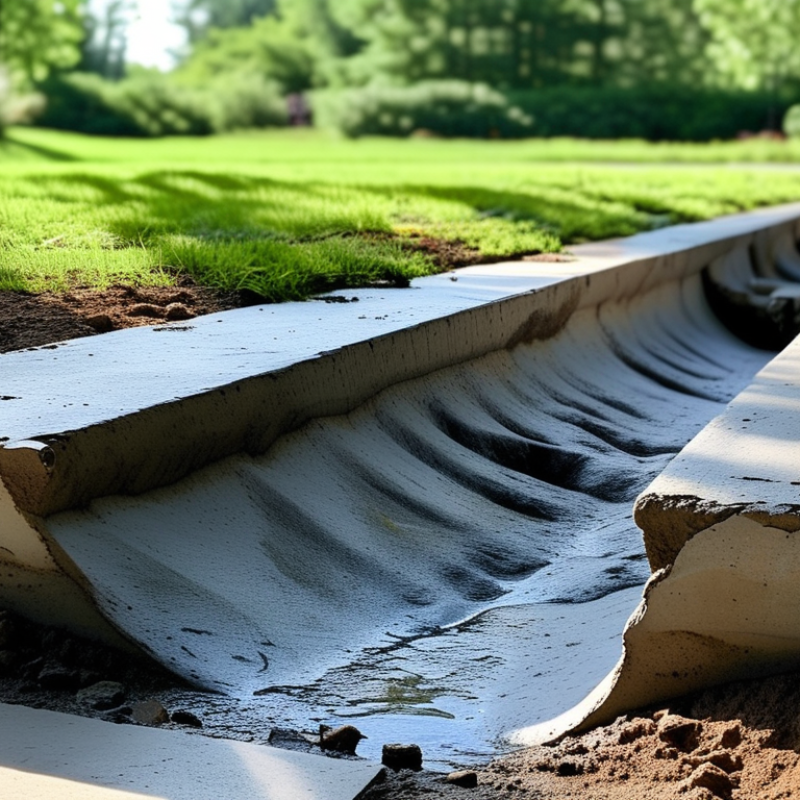
When considering the construction of drainage ditches, the material choice is crucial. "Why use cast-in-place concrete for drainage ditches" often arises in discussions. This method offers durability and adaptability, essential for effective water management. Cast-in-place concrete provides a seamless surface, reducing potential leakage and erosion.

Moreover, it allows for enhanced customization in dimensions and shapes, catering to specific site requirements. However, it does come with its own challenges, such as longer curing times and potential for cracking if not handled correctly. These aspects need careful consideration when planning your project.

Utilizing experienced contractors is vital. Their expertise ensures proper mixing and pouring techniques, which directly affect the longevity of drainage ditches. Investing in quality materials may seem costly upfront but can save money on repairs down the line. There’s a balance to strike between initial costs and long-term performance, which requires thoughtful assessment.
How to Choose Cast-in-Place Concrete for Drainage Ditches?

Factors to Consider in Selecting Cast-in-Place Concrete for Drainage Ditches

When selecting cast-in-place concrete for drainage ditches, several factors are critical. First, evaluate the local climate and soil conditions. These elements influence the durability of the concrete. For instance, regions with heavy rainfall require more robust concrete mixes to handle increased water flow. Additionally, soil type can affect drainage performance, so it's essential to conduct a soil test.

Another important factor is the expected load on the drainage system. Cast-in-place concrete must withstand various stresses, including traffic loads and soil pressure. Ensuring the right mix design helps achieve the desired strength and longevity. A proper thickness of the concrete layer is also vital.

Tips: Always consult with a civil engineer for specific projects. Their expertise can guide you in choosing the best materials and design for your situation. Regular maintenance checks are necessary. Over time, cracks may develop. It's essential to address these promptly to prevent bigger issues.

Consider the environmental impact of your choices. Using sustainable materials contributes to a more eco-friendly design. Remember, while cost is a factor, investing in quality can save money in the long run. Sometimes, lower-cost options may lead to frequent repairs or replacements, which can be more expensive overall.

Key Properties of Concrete Suitable for Effective Drainage Applications

When choosing cast-in-place concrete for drainage ditches, certain key properties enhance effectiveness. High compressive strength is vital, typically around 4,000 psi or greater. This strength ensures longevity in heavy-load environments. A proper water-cement ratio, generally between 0.4 and 0.5, is crucial for maintaining integrity. This balance prevents excessive porosity, which could lead to water infiltration issues.

Durability is another essential attribute. Concrete mixtures with additives such as silica fume can resist environmental stresses better. In a study by the American Concrete Institute, using polymer-modified concrete showed a 30% improvement in freeze-thaw resistance. This research underscores the importance of selecting materials based on expected conditions.

Tips: Consider local weather patterns when selecting concrete. Consult with a structural engineer to ensure your choice aligns with soil conditions. Using reinforcement, like steel rebar, can significantly increase the lifespan of drainage structures. Regular maintenance checks will help identify early signs of degradation, allowing for timely interventions.

Recommended Grades and Mixtures for Enhanced Water Resistance in Concrete

Choosing the right cast-in-place concrete for drainage ditches can significantly affect their efficiency. Specific grades and mixtures are crucial for enhancing water resistance. Typically, a mix with a lower water-cement ratio offers better durability. This creates a denser concrete structure, which helps repel water penetration. It is essential to use high-quality aggregates that resist erosion. Consider local soil conditions and their interaction with the concrete.

Using a blend that includes additives can also improve performance. For instance, incorporating chemical admixtures enhances water resistance. Fly ash or slag cement can further reduce permeability. These materials reflect a more sustainable approach, but mixing them requires precision. A poorly executed mix can lead to unexpected failures. Many engineers recommend testing small batches before large-scale application.

It’s vital to consider long-term maintenance. A perfectly mixed concrete might look appealing initially but can develop cracks over time. These cracks can compromise the ditch's effectiveness. Regular inspections serve as a reminder of the importance of proper installation. Reflecting on past projects can help refine future choices. Mistakes might offer valuable lessons for selecting the right materials.

How to Choose Cast-in-Place Concrete for Drainage Ditches?

Concrete Grade Water Resistance (m)** Compressive Strength (MPa) Recommended Mixture Ratio (Cement:Sand:Gravel) Additional Additives
C25 1.5 25 1:2:4 Waterproofing Agent
C30 2.0 30 1:1.5:3 Silica Fume
C35 2.5 35 1:1:2 Plasticizer
C40 3.0 40 1:0.75:1.5 Air-Entraining Agent

Designing Drainage Ditches: Dimensions and Slopes to Optimize Performance

Designing drainage ditches requires careful consideration of dimensions and slopes. The slope of a ditch affects water flow significantly. For effective drainage, a standard slope is often set between 2% to 5%. A steeper slope may hasten drainage but risks erosion. Conversely, a flat slope can lead to stagnation. Balancing these factors is essential for optimal ditch performance.

The dimensions of drainage ditches should align with the volume of water they are expected to manage. Width and depth play critical roles in preventing overflow. A wider base can accommodate more water, while deeper ditches can handle heavy rainfall efficiently. However, overly large ditches may create maintenance challenges. Regular monitoring allows for adjustments based on actual performance, addressing potential issues proactively.

Reflecting on past designs can yield insights into improvements. For instance, how did various slopes perform during heavy rains? Were there instances of flooding? Learning from these experiences shapes better future designs. Ultimately, a tailored approach that integrates dimensions and slopes is key to achieving effective drainage solutions. Each project presents unique challenges, calling for careful reflection and adaptation.

Common Challenges in Cast-in-Place Concrete for Drainage and Solutions

When using cast-in-place concrete for drainage ditches, several challenges may arise. One common issue is water infiltration. If not properly mixed or cured, the concrete can develop cracks. These cracks allow water to seep through, undermining the ditch's structural integrity. It's critical to conduct thorough mixing and to use appropriate curing methods to mitigate this risk.

Another concern is erosion. Over time, water flow can wear away the sides of the ditch, causing it to lose form. To counteract this, consider adding protective barriers or using textured surfaces to enhance water flow management. Implementing a well-designed drainage system can help redirect flow and minimize erosion.

Lastly, maintenance often gets overlooked. Regular inspections can identify wear and damage early. This proactive approach can save time and money in the long run. However, properly assessing the condition of the concrete is not always straightforward. Many may underestimate how quickly deterioration can occur. Taking the time to evaluate the ditch's performance is essential for long-lasting effectiveness.

Common Challenges in Cast-in-Place Concrete for Drainage Ditches

FAQS

: What is the ideal compressive strength for concrete used in drainage ditches?

: The ideal compressive strength should be around 4,000 psi or greater for longevity and durability.

Why is the water-cement ratio important?

A proper water-cement ratio of 0.4 to 0.5 helps maintain concrete integrity and prevents porosity issues.

How can you improve the durability of concrete for drainage applications?

Adding materials like silica fume can enhance resistance to environmental stress and improve freeze-thaw performance.

What should you consider regarding local weather when selecting concrete?

Local weather patterns can greatly influence the materials and mixtures chosen for effective drainage systems.

Why is regular maintenance important for drainage structures?

Regular checks can identify early signs of degradation, preventing significant long-term issues from arising.

What can happen if the concrete mix is poorly executed?

A poorly executed mix can lead to unexpected failures, such as cracks that compromise the structure's effectiveness.

How do chemical admixtures contribute to concrete performance?

Chemical admixtures enhance water resistance, and using materials like fly ash can reduce permeability.

Should engineers test small batches before large applications?

Yes, testing small batches helps ensure the mix performs correctly and avoids costly mistakes in large-scale applications.

Can a well-mixed concrete still develop issues over time?

Yes, even a well-mixed concrete can develop cracks, highlighting the need for ongoing inspections and reflection on past projects.

What is the impact of high-quality aggregates?

Using high-quality aggregates can help resist erosion and improve the overall durability of drainage concrete.

Conclusion

Choosing the right cast-in-place concrete for drainage ditches is crucial for ensuring effective water management and longevity of the structure. When considering why use cast-in-place concrete for drainage ditches, factors such as the specific environmental conditions, the required water resistance, and the concrete's key properties play a significant role. Suitable grades and mixtures are essential for enhancing durability and preventing water infiltration, while thoughtful design regarding dimensions and slopes can optimize drainage performance.

However, challenges such as cracking, erosion, and improper drainage can arise. Addressing these issues involves careful material selection and proper construction techniques. By understanding and applying these principles, engineers and builders can create efficient drainage ditches that withstand the test of time and environmental stresses.

Mason

Mason

Mason is a seasoned marketing professional with a deep expertise in the company's offerings and a passion for driving brand awareness. With a strong background in digital marketing strategies, he has an innate ability to connect with diverse audiences and effectively communicate product benefits.......