Why Choose Trapezoid Ditch for Large Irrigation Canals?

Time:2026-07-07 Author:Sienna
0%

The choice of irrigation canal design plays a crucial role in agricultural effectiveness. In recent studies, trapezoid ditches have emerged as a leading option. According to the Irrigation Association, these ditches can enhance water flow efficiency. Recent reports show a 20% increase in water distribution efficiency with trapezoidal designs over traditional rectangular ditches.

Why is the trapezoid ditch better for large irrigation canals? This design optimizes space and minimizes erosion risks. Research indicates that a well-constructed trapezoid ditch can reduce soil and water loss by 30%. This proves significant for large-scale agricultural operations, which heavily rely on efficient irrigation practices.

The trapezoidal shape allows for better sediment transport and helps maintain stream health. However, effective implementation requires expertise. Sometimes, farmers may overlook proper maintenance, leading to sediment buildup. Regular assessments can mitigate these issues, ensuring consistent water delivery. The benefits of trapezoidal ditches are clear, yet challenges require careful management and planning.
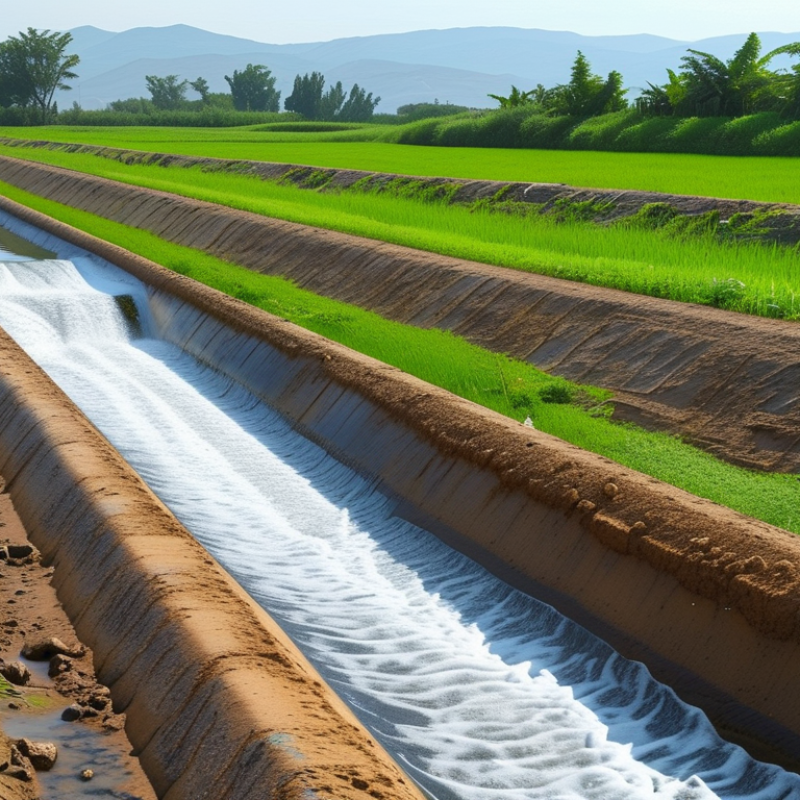
Why Choose Trapezoid Ditch for Large Irrigation Canals?

Benefits of Trapezoid Ditch Design for Large Irrigation Canals

Trapezoid ditches offer distinct advantages for large irrigation canals. Their shape enhances water flow efficiency. Research indicates that trapezoidal designs can increase flow capacity by up to 25% compared to traditional rectangular ditches. This efficiency is crucial for expanding agricultural areas, especially in regions facing water scarcity.

The sloped sides of trapezoid ditches promote a natural filtration system. This can improve water quality by reducing sedimentation and nutrient runoff. Studies have shown that implementing this design can lower maintenance costs by more than 20%. However, not all regions may benefit equally. Factors such as soil type and local weather patterns require careful consideration.

While the trapezoidal design has its merits, challenges persist. Construction can involve higher initial costs. Long-term gains often justify this investment, but upfront expenses may deter some municipalities. Additionally, ongoing monitoring is essential to maintain optimal performance. Investing in professional assessments can help navigate these complexities, ensuring that the selected design meets the specific needs of the area effectively.

Why Choose Trapezoid Ditch for Large Irrigation Canals? - Benefits of Trapezoid Ditch Design for Large Irrigation Canals

Benefit Description Impact on Irrigation
Improved Water Flow Trapezoidal shape allows for a more efficient flow of water compared to rectangular ditches. Increased delivery efficiency to crops.
Reduced Erosion Gentle side slopes help stabilize the earth, minimizing erosion. Longer lifespan of irrigation channels.
Enhanced Accessibility Trapezoidal ditches offer easier access for maintenance and inspection. Saves time and labor costs.
Cost-Effectiveness Materials and construction methods tend to be more economical. Lower overall project costs for irrigation systems.
Flexibility in Design Easily adaptable to different terrain and landscape requirements. Improves functionality across varied agricultural settings.

Comparison of Trapezoid Ditches and Traditional Canal Shapes

Trapezoid ditches have become a popular choice for large irrigation canals. Their shape offers several advantages over traditional rectangular or circular designs. Trapezoidal ditches are inherently more stable. The sloped sides reduce erosion, allowing for better water retention. This is crucial for regions facing water scarcity. Efficient water flow is maintained, minimizing losses through seepage.

Using trapezoidal designs can also facilitate maintenance. The wider bottom allows for easier access. This means that cleaning and repairs can be done more efficiently. Traditional shapes often require more effort to maintain. It's important to evaluate the geographic and climatic conditions before selecting a ditch shape.

Tips: Consider soil type when designing your ditch. Some soils hold water better than others. Test the water flow rates to ensure efficiency. Monitor your irrigation system regularly. Small adjustments can lead to significant improvements. Not every project will benefit equally from a trapezoidal ditch. Design flexibility is essential for success.

Hydraulic Efficiency of Trapezoid Ditches in Water Flow Management

Trapezoid ditches have gained attention for their hydraulic efficiency in large irrigation canals. The unique shape of these ditches allows for a more streamlined flow of water. This design reduces turbulence and minimizes energy loss during transportation. The gentle sloping sides help to maintain stability, allowing for optimal water management.

The hydraulic principles behind trapezoid ditches often result in improved water delivery. Studies show that this shape can enhance flow capacity by up to 15%. However, it's crucial to regularly assess the ditch's design and maintenance. Accumulation of sediment can impact the flow. Regular cleaning and monitoring are necessary to ensure peak performance.

Another aspect to consider is the construction materials used for trapezoid ditches. The choice can affect longevity and resistance to erosion. Although concrete is durable, it may also lead to higher costs. Using local materials can be more economical, but they may not always provide the same structural integrity. Balancing cost and efficiency is an ongoing challenge for many irrigation projects.

Soil Erosion Control and Maintenance in Trapezoid Ditch Systems

Trapezoid ditches are increasingly favored for large irrigation canals, especially due to their effectiveness in soil erosion control. According to the U.S. Department of Agriculture, about 75 billion tons of soil are eroded annually in the United States alone. Traditional ditch systems often exacerbate this issue, causing sediment to clog waterways and harm aquatic habitats. In contrast, trapezoid ditches, with their sloped sides, create a stable base that reduces water velocity, leading to decreased erosion. This design allows for better sediment deposit within the ditch, promoting soil conservation.

Maintenance is another critical aspect of trapezoid ditch systems. Research indicates that regular maintenance can reduce overall operational costs by up to 30%. When ditches are properly maintained, they not only perform better but also extend their lifespan. However, maintaining these structures can be challenging. Over time, vegetation growth and sediment buildup can hinder water flow. Ditch managers must continually monitor these factors to ensure the system remains effective.

While trapezoidal designs offer clear benefits, they are not a universal solution. In some regions, they may require more intensive management than other ditch types. Regular assessments and updates to maintenance practices are essential to adapt to changing environmental conditions. Understanding these complexities ensures that these systems serve their purpose effectively while promoting sustainable agricultural practices.

Cost-Effectiveness of Implementing Trapezoid Ditches for Irrigation

Trapezoid ditches are increasingly popular for large irrigation canals due to cost-effectiveness. Research indicates that these ditches can reduce construction costs by up to 30% compared to traditional rounded ditches. This is significant, especially for agricultural regions where budget constraints are common. The design allows for quicker excavation and uses less material, which directly contributes to lower expenses.

In addition to initial savings, trapezoid ditches offer long-term benefits. They are capable of handling higher volumes of water flow, reducing the risk of erosion and maintenance costs. A study by the American Society of Civil Engineers highlighted that trapezoidal channels have a lower hydraulic radius, improving flow efficiency by 15%. This means less energy is needed for water transport, which can lead to substantial savings in pumping costs over time.

However, implementing trapezoid ditches isn’t without challenges. Local soil conditions can impact stability and durability. Accurate surveying and planning are crucial to avoid long-term issues. Proper maintenance and monitoring are also essential to ensure the canals continue to function effectively. Therefore, while trapezoid ditches present a cost-effective option, careful consideration is necessary for successful implementation.

Cost-Effectiveness of Trapezoid Ditches for Large Irrigation Canals

FAQS

: What are the advantages of trapezoid ditches for irrigation canals?

: Trapezoid ditches enhance water flow efficiency, increasing flow capacity by up to 25%.

How do trapezoid ditches affect water quality?

The sloped sides promote natural filtration, reducing sedimentation and nutrient runoff.

Are trapezoid ditches cost-effective?

Yes, they can reduce construction costs by up to 30% compared to traditional designs.

What are the challenges of trapezoid ditch construction?

Initial costs can be higher. Long-term benefits may justify the investment, but it can deter some areas.

Why is regular maintenance important for trapezoid ditches?

Sediment accumulation can impede flow, so regular cleaning ensures optimal performance.

How do local conditions impact trapezoid ditch effectiveness?

Soil type and weather patterns must be considered as they influence stability and performance.

What materials can be used for trapezoid ditches?

Choices affect durability. Local materials may cost less, but concrete offers greater structural integrity.

How do trapezoid ditches contribute to energy savings?

They improve flow efficiency, which can lead to lower energy costs for pumping water.

What role does professional assessment play in using trapezoid ditches?

Assessments help navigate complexities, ensuring designs meet specific area needs effectively.

Can there be issues with implementing trapezoid ditches?

Yes, challenges like improper surveying can lead to long-term stability issues; careful planning is essential.

Conclusion

The trapezoid ditch design offers significant advantages for large irrigation canals, primarily due to its enhanced hydraulic efficiency and effective water flow management. With a wider base and sloped sides, trapezoid ditches facilitate smoother water movement, reducing turbulence and improving distribution compared to traditional canal shapes. This design also addresses soil erosion challenges, as the sloped walls help stabilize the surrounding soil, minimizing maintenance needs and extending the life of the irrigation system.

Additionally, the cost-effectiveness of implementing trapezoid ditches cannot be overlooked. By optimizing water flow and reducing erosion-related repairs, these ditches can lead to significant savings in both time and resources. Thus, one might wonder, why is the trapezoid ditch better for large irrigation canals? The combination of hydraulic efficiency, erosion control, and economic benefits makes it an exceptional choice for modern irrigation practices.

Sienna

Sienna

Sienna is a skilled marketing professional with a deep expertise in our company’s core products and services. With a passion for innovation and detail, she plays a pivotal role in crafting insightful blog posts that not only highlight the unique features of our offerings but also provide valuable......